
Plants
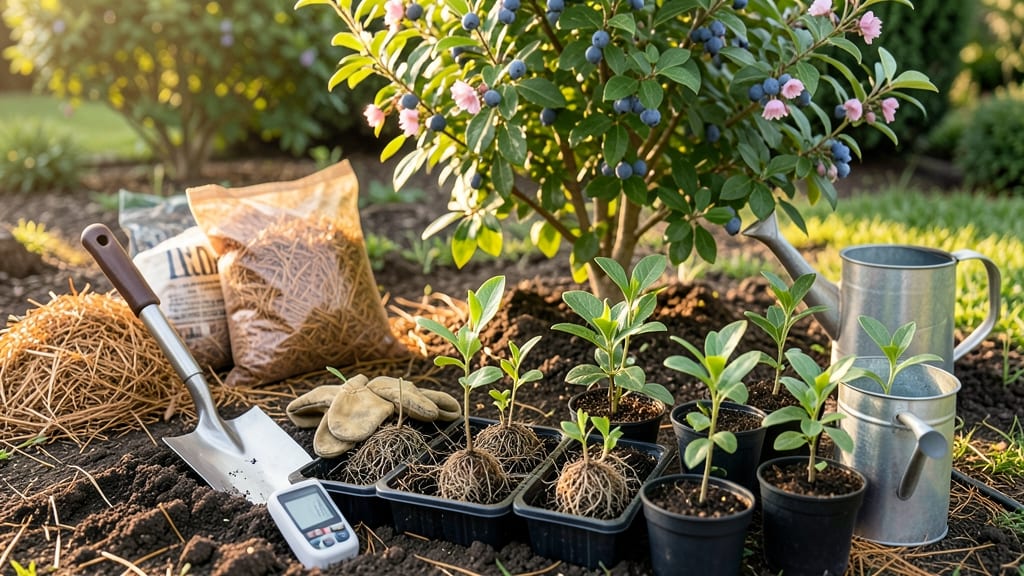
Planting blueberries in Mississippi isn’t just about picking a date—it’s about matching your variety to the state’s unique chill-hour needs for the sweetest, juiciest 🫐 harvests possible.
Mississippi’s warm winters mean traditional blueberry varieties often struggle, but the right timing—late winter or early spring—gives your bushes the head start they need to thrive. Whether you’re growing southern highbush or rabbiteye varieties, understanding chill-hour requirements is the key to avoiding poor yields or even plant failure.
I’ve tested what works in Mississippi’s 8a-9a zones, and the difference between a successful harvest and a disappointing one often comes down to planting at the right time. Let’s break down the best months, soil prep secrets, and how to pick the perfect variety for your garden.
Ready to grow blueberries that burst with flavor? I’ll show you exactly how to time your planting for maximum sweetness—no guesswork required.
Best planting months in Mississippi based on chill-hour needs
Mississippi’s blueberry bushes thrive year-round, but the best planting months depend on your chill-hour needs and variety type. Southern highbush varieties need 200-400 chill hours, while rabbiteye varieties require 400-800 chill hours.
These chill hours—accumulated when temps drop below 45°F—trigger flowering and fruit production. Planting at the wrong time can delay fruiting or reduce berry quality.
In Mississippi’s USDA Zones 8a-9a, the ideal window for planting blueberries is late winter to early spring (February through March). This timing ensures roots establish before summer heat arrives, while avoiding late frosts that can damage new growth.
For fall planting, aim for October to November, giving roots time to settle before winter dormancy.
Mississippi’s microclimates vary significantly—northern regions like Tunica and Greenville experience cooler winters with more chill hours, while southern areas like Biloxi and Hattiesburg have milder winters.
Adjust planting dates based on your last frost date (typically March 15 in most areas) and soil temperature, which should be at least 50°F for safe planting.
Here’s how chill hours affect your blueberries: Southern highbush varieties (like ‘Powderblue’) produce fruit with fewer chill hours, making them ideal for southern Mississippi. Rabbiteye varieties (like ‘Climax’) need more chill hours and thrive in northern Mississippi, where winters are cooler. Half-high varieties (like ‘Tifblue’) strike a balance, working well across the state.
Soil temperature plays a critical role too. For spring planting, wait until the soil warms to 50°F—usually by mid-March in northern Mississippi and early March in southern regions. In fall, plant 6-8 weeks before the first frost (typically November 15) to allow roots to establish before winter.
| Variety Type | Chill Hours Needed | Best Planting Months | Soil Temp for Planting | Mississippi Region Fit |
|---|---|---|---|---|
| Southern Highbush | 200-400 | Feb-Mar (Spring) or Oct-Nov (Fall) | 50°F+ | Southern (e.g., Gulf Coast) |
| Rabbiteye | 400-800 | Feb-Mar (Spring) or Oct-Nov (Fall) | 50°F+ | Northern (e.g., Tupelo, Oxford) |
| Half-High | 300-500 | Feb-Mar (Spring) or Oct-Nov (Fall) | 50°F+ | Statewide |
Rainfall patterns also influence planting success. Mississippi’s spring rains (March-May) provide ample moisture for root establishment, but excessive rainfall can lead to root rot. Amend heavy clay soils with organic matter (like compost or pine bark) to improve drainage.
In drier southern regions, mulch heavily to retain moisture during the hot summer months.
For container-grown blueberries, planting timing is more flexible—you can plant year-round as long as soil temps are ideal. However, bare-root plants (common in nurseries) must be planted during their dormant season (fall or early spring).
If you miss the optimal window, store bare-root plants in a cool, moist location (like a refrigerator) until you’re ready to plant.
Adjust your planting schedule based on your blueberry variety and local microclimate. For example, ‘Tifblue’ (a half-high variety) thrives in central Mississippi with its 400-500 chill hours, while ‘Powderblue’ (a southern highbush) does well in warmer southern areas.
Always check your last frost date and soil temperature before planting to ensure success.
Pro tip: Plant blueberries in groups of at least 3-4 bushes for cross-pollination, which boosts fruit production. Space them 4-6 feet apart to allow airflow and reduce disease risk. In Mississippi’s humid climate, prune in late winter to improve air circulation and encourage healthy growth.
By matching your blueberry variety to your chill-hour zone and planting at the right time, you’ll enjoy sweet, juicy berries for years to come—no matter where you garden in Mississippi. 🫐
Top 3 blueberry varieties for Mississippi and their planting secrets
Mississippi’s humid subtropical climate creates perfect conditions for blueberries—but not all varieties thrive equally. The three best-performing varieties for our state are ‘Tifblue,’ ‘Climax,’ and ‘Powderblue,’ each adapted to Mississippi’s 300–600 chill hours and high heat tolerance.
These varieties dominate local farms and home gardens because they balance sweet flavor, disease resistance, and reliable yields in our USDA Zones 8a–9a.
Choosing the right variety isn’t just about taste—it’s about matching your planting timeline to each bush’s specific needs. ‘Tifblue’ (a rabbiteye) needs 600+ chill hours and plants best in late winter (February) to establish roots before spring heat.
Meanwhile, ‘Climax’ (a southern highbush) thrives with 300–400 chill hours and can handle spring planting (March–April) without stress. ‘Powderblue’ falls in between, making it a versatile choice for northern Mississippi’s cooler microclimates.
When to Plant Blueberries in Mississippi
- Plant bare-root bushes in late winter (Feb) for rabbiteye types
- Choose March–April for southern highbush varieties like ‘Climax’
- Test soil pH (4.5–5.5) before planting to avoid root burn
- Water deeply after planting to encourage root growth
- Plant in summer heat—stress reduces survival rates
- Skip mulching (pine straw)—Mississippi’s clay soil dries too fast
- Use alkaline fertilizer—blueberries need acidic soil
- Overcrowd bushes—space 5–6 feet apart for airflow
⚠️ Mississippi Mistake: Planting rabbiteye varieties in northern MS (Zone 8a) without verifying chill hours can lead to poor flowering and tiny berries.
Let’s dive into the top 3 varieties and their Mississippi-specific secrets. ‘Tifblue’ is the gold standard for rabbiteye blueberries, producing large, sweet berries that ripen in June–July.
Its thick skin resists bird damage (a major issue in Mississippi’s humid summers), and it handles our hot afternoons better than most. For home gardens, ‘Climax’ is a compact southern highbush that matures in 3–4 years and produces early-season fruit (May), perfect for beating the heat.
‘Powderblue’ stands out for its disease resistance, especially against blueberry scorch (a fungal issue in Mississippi’s wet springs). This variety also tolerates partial shade, making it ideal for woodland edges or under dappled trees. All three varieties benefit from cross-pollination, so plant at least two different types for better yields. For example, pair ‘Tifblue’ with ‘Climax’ to extend your harvest from May through July.
Mississippi gardeners often overlook planting depth—a critical mistake. The root flare (where roots meet the stem) should sit just above soil level. Burying it too deep can strangle the plant, while planting too shallow exposes roots to heat stress.
After planting, water deeply (1–2 gallons per bush) and mulch with pine straw to retain moisture. In southern Mississippi (Zone 9a), consider drip irrigation to prevent root rot from heavy summer rains.
One final secret: prune in late winter (February) to shape your bushes and remove dead wood. Mississippi’s humid climate encourages fungal growth, so sterilize pruners with rubbing alcohol between cuts. For rabiteye varieties like ‘Tifblue’, prune older canes first—they produce larger berries than new growth.
With the right variety and timing, your Mississippi blueberry bushes will reward you with years of sweet, homegrown fruit.