
Plants
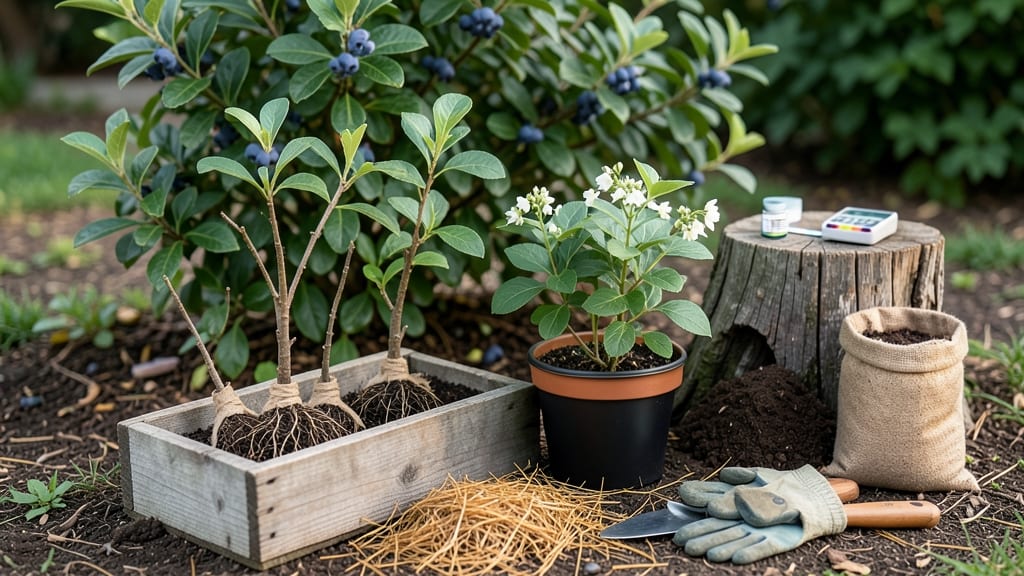
Planting your 🫐 blueberries at the wrong time in Indiana could mean the difference between a bountiful harvest and a sad, frost-nipped disappointment. The key window—late March to early May or early fall—isn’t just about avoiding frost; it’s about giving those roots the perfect head start in 5b-6b zone soil.
I’ve seen too many gardeners rush planting because they think "spring" means "now," only to watch their bushes struggle when temperatures dip unexpectedly. Indiana’s climate plays tricks, with some counties like northern LaPorte facing frost risks weeks after southern Vanderburgh has already warmed up.
Here’s the game-changer: whether you’re dropping bare-root plants into the ground or tucking them into containers, timing matters more than you’d think. We’ll break down exactly when to plant—down to county-specific frost dates—so you can beat the clock and still enjoy July-August harvests.
Ready to turn your backyard into a blueberry powerhouse? Let’s get those bushes in the ground the right way, the first time. Your future self (and your taste buds) will thank you.
Indiana blueberry planting deadlines by USDA hardiness zone (with frost risk maps)
Indiana spans USDA hardiness zones 5a through 6b, meaning frost dates vary dramatically from northern to southern counties. In zone 5a (northwest Indiana), the last spring frost typically arrives around April 25, while zone 6b (southern Indiana) sees its last frost by April 5.
These dates are critical for blueberries, which are frost-sensitive during early growth but can handle light freezes once established.
For bare-root plants, the window is narrower—plant them as soon as the ground thaws (early April in zone 6b) but before buds swell. Containerized plants offer more flexibility, allowing you to delay planting until after the last frost (late April to early May).
Fall planting is also viable in zones 5b–6b, with a deadline of mid-September to ensure roots establish before winter.
To verify your exact frost dates, check the NOAA Climate Data for your county. For example, Lake County (zone 5a) averages its last frost on May 5, while Vanderburgh County (zone 6a) typically sees frost-free conditions by April 15.
Microclimates—like urban heat islands or south-facing slopes—can shift these dates by 1–2 weeks, so always monitor local conditions.
Here’s a quick reference for Indiana’s blueberry planting deadlines by zone, including frost risk adjustments for both spring and fall:
| Zone | Spring Planting Window | Fall Planting Window | Last Frost Avg. | Frost Risk Tip |
|---|---|---|---|---|
| 5a (e.g., Lake, Porter) | Late April–Early May | Mid-August–Early Sept. | May 5 | Use frost cloth for early spring |
| 5b (e.g., Allen, Kosciusko) | Early April–Late April | Late August–Mid-Sept. | April 20 | Wait for soil to warm to 45°F |
| 6a (e.g., Marion, Boone) | Mid-March–Early April | Late August–Early Oct. | April 10 | Container plants tolerate earlier planting |
| 6b (e.g., Gibson, Posey) | Late Feb–Mid-March | Sept.–Mid-Oct. | March 25 | Longer growing season; prioritize fall planting |
For bare-root blueberries, prioritize planting in early spring (as soon as soil is workable) to maximize root growth before summer heat. If you choose fall planting, aim for 6–8 weeks before the first frost—typically late August to early September in most of Indiana.
In zone 5a, delay fall planting until mid-September to avoid winter dieback.
Containerized blueberries are more forgiving, allowing you to plant up to 2 weeks after the last frost. This flexibility is ideal for urban gardeners or those with microclimates (e.g., near buildings or bodies of water). Just
How to adjust planting dates for Indiana’s late springs and early freezes
Indiana’s frost dates can shift by 2–3 weeks from year to year, leaving gardeners scrambling to protect tender blueberry plants. The key to success? Flexible timing strategies that account for soil temperatures, microclimates, and your chosen planting method.
Whether you’re working with bare-root bushes or containerized plants, these adjustments can extend your safe window by up to 3 weeks—giving your blueberries the best shot at thriving.
Start by checking your local frost dates using the Midwest Regional Climate Center or your county’s USDA Plant Hardiness Zone map.
Southern Indiana (Zone 6b) typically sees its last frost around April 15, while northern areas (Zone 5a) can experience frost as late as May 10. Adjust your planting timeline accordingly, but don’t wait until the very last moment—root establishment is critical for survival.
- Use black plastic mulch or straw mulch (4–6 inches deep) to warm soil by 5–10°F—plant when soil reaches 45°F for bare-root or 50°F for containerized.
- Deploy frost cloth (30–50g weight) for 2–3 weeks post-planting, especially in Zone 5a. Secure edges with bricks or soil to prevent wind damage.
- Plant in raised beds (12–18 inches high) to delay frost exposure by 1–2 weeks. Fill with 50% peat moss for acidity and insulation.
- For container planting, use black pots (absorb heat) and place near south-facing walls. Move containers indoors (garage or basement) if frost threatens.
- Fall planting? Aim for August–September in Zone 6b or late September in Zone 5a. Mulch heavily (6+ inches) with straw or leaves to protect roots.
If you’re planting in raised beds, take advantage of their natural insulation properties. Fill the bed with a mix of 50% peat moss, 30% compost, and 20% perlite to create an acidic, well-draining environment that warms up faster than in-ground soil.
This can shave 1–2 weeks off your planting timeline, especially in cooler northern counties like LaPorte or Kosciusko.
For containerized blueberries, timing is even more critical because pots heat and cool faster than ground soil. Use black plastic containers (they absorb heat) and place them near south-facing walls or under cloche covers during the day.
At night, move them to a protected location like a garage or under a frost cloth. This method can extend your planting window by up to 3 weeks compared to in-ground planting.
Don’t overlook the power of mulching. A thick layer of straw or wood chips (4–6 inches) not only suppresses weeds but also insulates roots from temperature swings. In spring, mulch warms up the soil; in fall, it protects against early frosts.
For extra protection, top your mulch with a lightweight frost blanket during unexpected cold snaps. This dual-layer approach can buy you an extra 1–2 weeks of growing time.
Finally, keep an eye on weather forecasts and be ready to act. If a late frost is predicted within 48 hours of planting, cover your blueberries with frost cloth or even a lightweight row cover.
For young plants, a small tent of frost cloth secured with clips or weights can make all the difference. With these strategies, you’ll turn Indiana’s unpredictable climate into an advantage—not a roadblock—for your blueberry bushes. 🌱