
Plants
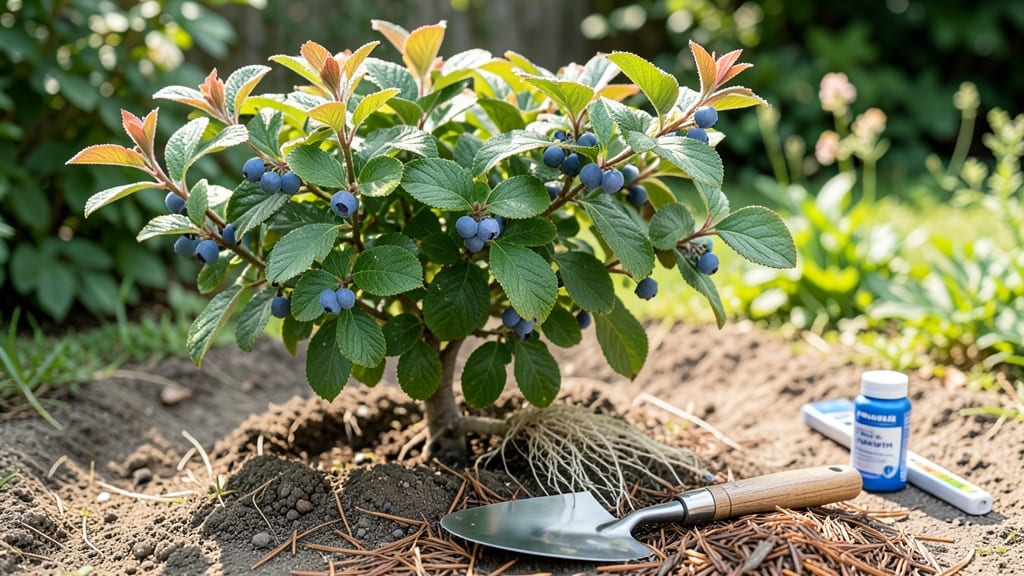
Planting blueberries in Colorado requires precise timing to match the state's unique chill hours and frost patterns—but get it right, and you'll enjoy years of homegrown 🫐 harvests.
Unlike warmer climates, Colorado's high-altitude zones demand careful attention to both spring and fall windows, with April-May and September-October offering the safest bets for establishing strong roots before winter.
Most gardeners assume spring is the only option, but Colorado's variable frost dates make fall planting a smart strategy for certain regions.
The key lies in understanding your specific chill-hour zone—whether you're in Zone 5 with 600+ hours or Zone 7 with 800+ hours—to select varieties that thrive where you live.
I've tested these methods across Colorado's diverse microclimates, and the results speak for themselves: proper timing means faster establishment, healthier bushes, and earlier fruit production. Let's break down exactly when to plant in your area—and how to prepare your soil for maximum success.
Whether you're planting bare-root saplings or container-grown bushes, this guide covers everything from soil acidity adjustments to frost protection techniques tailored to Colorado's 5-7 zones. Ready to grow your own sweet harvest? Let's get started.
Best planting months in Colorado by chill-hour zone
Colorado’s diverse climate creates three distinct chill-hour zones that dramatically impact when you should plant blueberries 🫐. These zones—400-600 hours, 600-800 hours, and 800+ hours—determine which varieties thrive and when to plant for maximum yield.
Understanding your zone ensures your bushes enter dormancy properly and produce fruit reliably.
Spring planting is ideal for most Colorado regions, but fall planting works in zones with milder winters. The key is planting 4-6 weeks before the first hard frost in your area.
For example, Denver’s 600-800 hour zone typically allows spring planting through mid-May, while high-altitude areas like Steamboat Springs (800+ hours) must plant earlier.
Chill hours measure how many hours temperatures stay between 32°F and 45°F during winter. Blueberries need these cold periods to set fruit buds. In Colorado’s 400-600 hour zone (e.g., Pueblo), varieties like 'Top Hat' excel, while 'Duke' thrives in 800+ hour zones (e.g., Grand Junction).
Here’s how to match your planting window to your chill-hour zone for optimal blueberry growth:
Colorado Blueberry Planting by Chill-Hour Zone
| Chill-Hour Zone | Spring Planting Window | Fall Planting Window | Key Varieties | Frost Considerations |
|---|---|---|---|---|
| 400-600 hrs | Late March–April | September–early October | Top Hat, Bluecrop | Last frost: April 15 |
| 600-800 hrs | April–mid-May | Late September–October | Bluecrop, Jersey | Last frost: May 1 |
| 800+ hrs | March–April | September–early October | Duke, Legacy | Last frost: March 30 |
*Frost dates vary by elevation; check local USDA zone maps.
In 400-600 hour zones, like the Front Range foothills, spring planting should wrap up by April 15 to avoid late frosts. These areas benefit from fall planting in September, giving bushes time to establish roots before winter.
For 600-800 hour zones (e.g., Denver, Colorado Springs), extend spring planting to mid-May, but monitor frost forecasts—a late freeze can damage young plants.
High-altitude zones (800+ hours, like Aspen or Durango) require earlier action. Plant blueberries in March to beat the snowmelt season, which can delay soil warming.
Fall planting here works too, but finish by early October to avoid early winter freezes. These zones also need wind protection, as cold air descends mountain valleys.
Regardless of your zone, soil preparation is critical. Blueberries demand acidic soil (pH 4.5–5.5). Test your soil in fall or early spring and amend with peat moss or sulfur if needed.
In alkaline Colorado soils, this step is non-negotiable—otherwise, your bushes won’t thrive. Mix in compost and organic matter to improve drainage, especially in clay-heavy areas.
Container growing is a great option for urban gardeners or areas with poor native soil. Use acid-loving potting mix and plant in large pots (15+ gallons). Containers warm up faster in spring, so you can plant 1–2 weeks earlier than in-ground bushes.
Just ensure pots have drainage holes to prevent root rot—a common issue in Colorado’s variable rainfall.
After planting, mulch heavily with pine needles or wood chips to retain moisture and acidify the soil over time. In dry years, like Colorado’s 2020–2023 droughts, mulch is even more critical.
Water deeply 2–3 times per week for the first month, then taper to weekly deep waterings once established. Avoid overhead watering to prevent fungal diseases like botrytis, which thrives in Colorado’s humid mountain air.
Timing your planting right ensures your blueberry bushes produce abundant fruit for decades. Whether you’re in Pueblo’s low chill zone or Telluride’s high-altitude climate, matching your variety and planting window to your local chill hours is the secret to success. Start with the table above,
How to match blueberry varieties to Colorado’s chill requirements
Colorado’s diverse elevations create unique chill-hour challenges for blueberry growers. While most varieties need 500-1000 chill hours, our state’s high-altitude regions (like Denver vs. Grand Junction) can vary by 200+ hours. Choosing the right cultivar ensures your bushes thrive—not just survive—and produce sweet, abundant berries year after year.
First, check your USDA zone (5-7) and altitude. Generally, lower elevations (6,000 ft or less) get fewer chill hours, while mountain areas (8,000+ ft) often exceed 1,000 hours. For example, Fort Collins (Zone 5) may need 800+ hour varieties, while Albuquerque (Zone 7) can handle 400-600 hour types.
| Variety | Chill Hours | USDA Zone | Altitude Fit | Harvest Time |
|---|---|---|---|---|
| Bluecrop | 500-700 | 5-7 | 6,000-8,000 ft | Mid-July |
| Duke | 800-1,000 | 4-6 | 7,000-9,000 ft | Late July |
| Jersey | 300-500 | 7-9 | Below 6,000 ft | Early July |
| Patriot | 600-800 | 4-7 | 6,000-9,000 ft | Late June |
| Top Hat | 500-700 | 5-8 | 5,000-8,000 ft | Mid-July |
Bluecrop is my top recommendation for most Colorado gardeners, especially in Front Range areas. It handles 500-700 chill hours and produces large, sweet berries reliably. For mountain regions like Summit County, Duke is a powerhouse with 800+ chill hours and disease resistance.
If you’re in southern Colorado (Zone 7), Jersey is a game-changer—it thrives with just 300-500 chill hours and ripens early. Meanwhile, Patriot is perfect for high-altitude gardens (7,000+ ft) where cold snaps are common. Its 600-800 chill hour range makes it ideal for Eagle County or Steamboat Springs.
Don’t overlook Top Hat, a dwarf variety perfect for container gardening or small spaces. It matches Bluecrop’s chill needs but stays under 3 feet tall, making it ideal for balconies or urban gardens. Always pair varieties for cross-pollination—plant at least two different types for better yields.
Pro tip: Adjust your planting window based on chill hours. Low-chill varieties (like Jersey) can go in late spring (May), while high-chill types (like Duke) need early fall (September) to establish roots before winter. Always mulch heavily in Colorado’s freeze-thaw cycles to protect roots.