
Plants
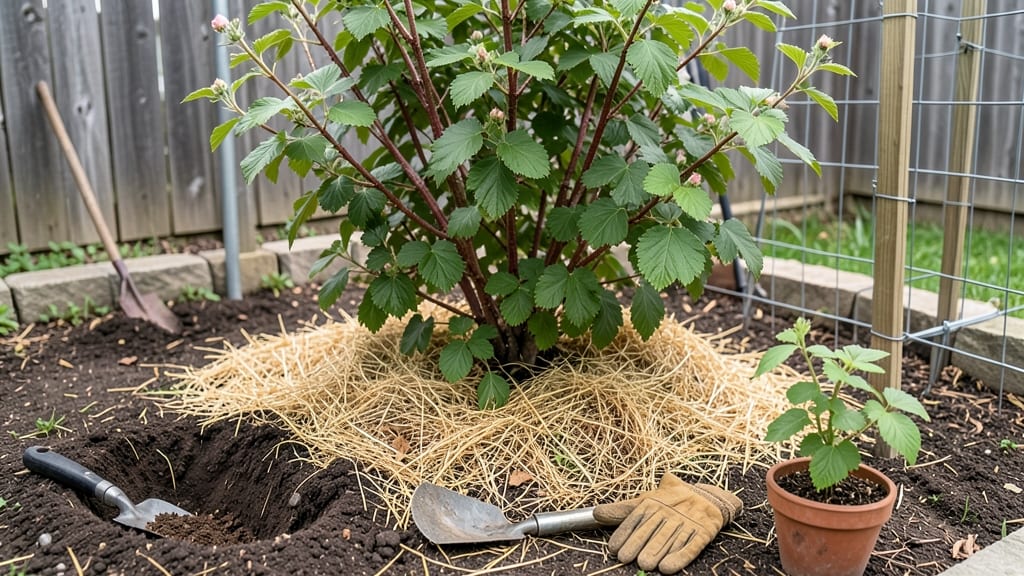
Planting blackberries in Arkansas isn't just about grabbing a few canes and sticking them in the ground—it's about timing it just right to beat the heat, frost, and those picky chill-hour needs.
With USDA zones 7a-8a throwing a mix of early springs and late frosts into the equation, even experienced gardeners can get it wrong.
You might think late winter is always the answer, but in Arkansas, the real magic happens between February and March, when soil temperatures finally climb above 40°F—the sweet spot for root establishment.
Too early, and your 🫐 canes will sit in cold, soggy soil; too late, and you risk missing the prime window before summer heat sets in.
What if you could skip the guesswork and plant with confidence? That’s exactly what I’ll show you—how to match your blackberry variety to Arkansas’ climate, when to prep your soil, and even how to adjust for those tricky microclimates where frost lingers longer. Let’s get those berries growing strong.
From choosing the right variety for your zone to knowing the exact deadlines for spring planting, this guide cuts through the confusion. No more wasted effort or disappointed harvests—just a thriving blackberry patch that delivers sweet, plump berries from May to August. Ready to dig in?
Arkansas blackberry planting zones: chill-hour requirements by variety
Arkansas spans USDA zones 6-8, creating a unique challenge for blackberry growers. Chill hours (the number of hours below 45°F needed for dormancy) dictate which varieties thrive in your area. Northern Arkansas (zone 6) needs high-chill varieties, while southern Arkansas (zone 8) can grow low-chill types.
Getting this wrong means poor fruiting—or no berries at all!
Most Arkansas blackberries need 300-1,000 chill hours, but some varieties like 'Prime-Ark Freedom' adapt to as few as 300 chill hours, making them ideal for zone 8.
Meanwhile, 'Natchez' and 'Arapaho' require 500-700 chill hours, perfect for zones 6-7. Let’s break down the best planting windows for your zone.
For zone 6 gardeners, focus on varieties like 'Cherokee' or 'Ouachita', which need 700-1,000 chill hours. Plant these in early March to give roots time to establish before summer heat. Fall planting is riskier in zone 6—stick to September 1-15 to avoid early frosts.
Zone 7 gardeners have more flexibility with 'Natchez' or 'Arapaho', which thrive with 500-800 chill hours. Spring planting in March-April is ideal, but fall planting works too—just finish by October 15. Soil temps should be above 50°F for root growth.
In zone 8, 'Prime-Ark Freedom' is your best bet, needing only 300-500 chill hours. Plant in late March-April for spring or early October for fall.
Avoid late fall plantings—first frost in northern zone 8 can hit as early as November 15, leaving no time for roots to establish.
Pro tip: Test your chill hours using a chill-hour calculator (like the one from UA Cooperative Extension). Arkansas’ microclimates can vary by 100+ chill hours just a few miles apart. If you’re unsure, 'Prime-Ark Freedom' is the safest bet for most of zone 8.
One common mistake? Planting too late in fall. Blackberry roots need 6-8 weeks to establish before winter. In zone 7, planting after October 15 risks frost damage. Spring planting is always safer if you’re unsure about timing.
Finally, amend your soil with compost before planting—blackberries hate soggy roots. Aim for well-draining soil with a pH of 5.5-6.5. Mulch heavily in winter to protect roots from freeze-thaw cycles, which can damage new growth.
With the right variety and timing, your Arkansas blackberry patch can produce sweet, juicy berries for years. Start with the table above, then adjust based on your local frost dates and microclimate. Happy planting! 🫐
Step-by-step planting timeline for Arkansas blackberries (with critical deadlines)
Arkansas gardeners know that planting blackberries at the wrong time can mean the difference between a lush, productive patch and a failed investment. With USDA zones 7a-8a and chill-hour requirements ranging from 300 to 1,000+, timing is everything.
The key is planting when soil temperatures rise above 40°F (4°C)—typically in late winter or early spring—but also accounting for Arkansas' unpredictable frost dates.
For most Arkansas varieties like Prime-Ark Freedom or Natchez, the 30-day window after last frost (usually mid-March) is ideal. However, fall planting is also possible if you act 45 days before first frost (around early October).
Let’s break down the exact steps and deadlines to ensure your blackberries thrive.
-
February (Soil Prep)
Test soil pH (5.5-6.5) and amend with compost. Till soil to a depth of 12 inches for root development. -
Late February - Early March (Spring Planting)
Plant bare-root canes in full sun locations, spacing them 4-6 feet apart. Water deeply after planting. -
Mid-March (Post-Planting Care)
Apply 1 cup of 10-10-10 fertilizer per 10 sqft and mulch with straw to retain moisture. -
Early October (Fall Planting)
Plant 45 days before first frost (typically by October 1st). Water thoroughly and avoid fertilizing. -
November (Winter Protection)
Mulch heavily (4-6 inches) to insulate roots from freezing temperatures. -
March (Spring Resurgence)
Prune dead canes and apply balanced fertilizer to encourage new growth.
One of the biggest mistakes Arkansas gardeners make is planting too late in fall, leaving roots vulnerable to freezing temperatures. If you miss the 45-day window before frost, wait until spring—but don’t delay past mid-April, or your blackberries may struggle to establish before summer heat arrives.
For varieties like Arapaho (300-400 chill hours), southern Arkansas gardeners can push planting into early April, while northern zones should stick to March deadlines. Always check your local frost dates and adjust accordingly—Arkansas’ microclimates can vary dramatically even within the same county.
Once planted, maintain consistent moisture (1-2 inches per week) and prune annually to remove dead or weak canes. With the right timing and care, your blackberry patch will reward you with juicy, homegrown fruit for years to come.