
Plants
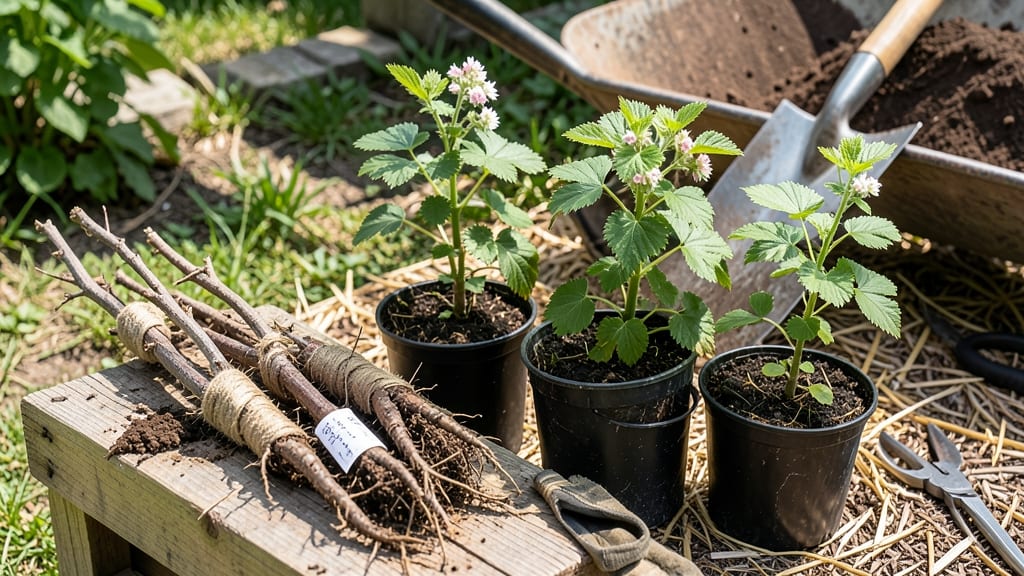
Planting blackberries in North Carolina at the wrong time can mean the difference between a bountiful harvest and years of frustration—especially with the state’s diverse climate zones and chill-hour requirements.
If you’ve ever dreamed of plucking sweet, ripe 🫐 straight from your backyard, timing is everything. North Carolina’s USDA zones 6a-8b offer two prime windows: late winter to early spring (February–April) or fall (September–October), but not all varieties thrive in both.
Some need that extra chill, while others prefer milder starts.
I’ve tested the best planting strategies across the state, and the key lies in matching your blackberry variety to your microclimate. Whether you’re in the mountains or coastal plains, we’ll break down exactly when to plant for maximum success—and how to avoid common pitfalls that waste time and money.
Ready to grow blackberries that produce year after year? Let’s dive into the perfect planting schedule for your NC garden, so you can enjoy homegrown berries from June through August.
Best planting times for blackberries in NC by chill-hour needs
North Carolina’s climate—spanning USDA zones 5-8—means blackberry planting success hinges on matching chill-hour requirements with precise timing. High-chill varieties (450-1000 hours) need winter dormancy, while low-chill types (200-400 hours) thrive in milder winters.
Planting outside these windows risks winterkill or poor fruiting. Let’s break down the ideal windows for each type, including soil temps and frost timing critical for NC growers.
For high-chill varieties (like 'Natchez' or 'Triple Crown'), the sweet spot is late winter to early spring (February–April) when soil temps hit 45–55°F. This gives roots time to establish before summer heat.
Fall planting (September–October) is risky unless you’re in zone 8b, where mild winters allow safe root growth before frost. Always plant 2–3 weeks before your last frost date—typically mid-March in NC.
Low-chill varieties (such as 'Ouachita' or 'Arapaho') adapt better to fall planting (August–October) or early spring (March–April). These types tolerate warmer winters, so avoid planting in zone 5 after October—frost can damage tender roots.
In zone 8b, you can even plant as late as November, but aim for soil temps above 50°F to prevent shock.
| Variety Type | Chill-Hour Range | Best Planting Window | Ideal Soil Temp | NC Zone Fit |
|---|---|---|---|---|
| High-Chill | 450–1000 hrs | Feb–April (spring) or Sept (zone 8b only) | 45–55°F | Zones 5–7 |
| Low-Chill | 200–400 hrs | Aug–Oct (fall) or Mar–Apr (spring) | 50–60°F | Zones 7–8 |
| Thornless | 300–600 hrs | Feb–Mar (spring) or Sept–Oct (fall) | 40–50°F | Zones 6–8 |
Soil temperature is often overlooked but critical. Use a soil thermometer to confirm conditions—high-chill plants need 45°F+ for root growth, while low-chill types tolerate 50°F+.
In zone 5, wait until mid-April to avoid frost damage; in zone 8b, you can plant as late as November if soil stays above 50°F. Always mulch heavily (4–6 inches) after planting to insulate roots.
Frost timing varies by NC region. Mountain zones (5) average last frost by April 15, while coastal zones (8) may see frost as late as January. For fall planting, aim to finish 4–6 weeks before first frost—typically by October 15 in zone 7.
Use row covers if planting late to protect young canes from unexpected cold snaps.
Container planting extends your window in warmer microclimates. Low-chill varieties thrive in pots moved to protected spots during winter. Use black plastic pots (for heat absorption) and bury half the pot in the ground for stability.
Water deeply before moving containers indoors if temps drop below 30°F—root rot from soggy pots is a common mistake.
Blackberries need 6–8 hours of sun daily, but afternoon shade helps in zone 8’s intense summer heat. Plant on the north side of trellises to reduce leaf scorch. If planting in shady spots, choose low-chill varieties like 'Apache'—they tolerate partial shade better than high-chill types.
After planting, prioritize watering consistency. Deep water 2–3 times per week for the first month to encourage root spread. High-chill varieties need 1–2 inches of water weekly; low-chill types are slightly drought-tolerant but still require consistent moisture during fruiting.
Use drip irrigation to avoid wetting foliage, reducing fungal risks like anthracnose.
Prune canes in late winter (February) before new growth starts. Remove dead or weak canes first, then cut live canes to 1/3 their height to encourage bushier, more productive growth. This timing aligns perfectly with spring planting prep—do it 2–3 weeks before you plant new canes to avoid stress.
Monitor for deer and wildlife, especially in zone 6–8. Plant near fences or thorny barriers (like blackberry trellises) to deter browsing. Use repellent sprays in early spring if deer are active.
In zone 5, focus on winter protection—wrap young plants in burlap or use straw mulch to insulate roots.
Your first harvest will arrive June–August, depending on variety. High-chill types fruit earlier (late June), while low-chill varieties peak in July–August. Plan your planting window now to enjoy
Top 5 NC-adapted blackberry varieties and their planting strategies
North Carolina’s diverse climate means choosing the right blackberry variety is critical for success. The chill-hour requirements of each variety determine when and where you can plant them—whether in the mountains, piedmont, or coastal plains.
Let’s explore the top 5 NC-adapted varieties and their ideal planting strategies to maximize your harvest.
For mountain regions (USDA zones 6-7), varieties like Natchez and Triple Crown thrive with their high chill-hour needs (600-800 hours). Meanwhile, coastal areas (zones 7b-8a) benefit from low-chill varieties like Ouachita or Arapaho, which need only 200-400 chill hours.
Understanding these differences ensures your blackberries get off to the right start.
| Variety | Chill Hours | Planting Depth | Spacing (ft) | Best NC Region |
|---|---|---|---|---|
| Natchez | 600-800 | 1-2 inches | 4-5 ft apart | Mountains/Piedmont |
| Triple Crown | 500-700 | 1-2 inches | 5-6 ft apart | Piedmont |
| Ouachita | 200-400 | 1 inch | 4-5 ft apart | Coastal Plains |
| Arapaho | 300-500 | 1-2 inches | 5 ft apart | Coastal |
| Chester | 500-700 | 1-2 inches | 4-5 ft apart | Piedmont/Mountains |
Before planting, prep your soil by amending it with compost or aged manure to improve drainage and fertility. Blackberries prefer slightly acidic soil (pH 5.5-6.5), so test your soil and adjust with sulfur or lime if needed.
A 6-inch layer of mulch (straw or pine needles) helps retain moisture and suppress weeds, which is especially important during North Carolina’s hot summers.
For spring planting (March-April), aim to get canes in the ground 4-6 weeks before the last frost. This gives roots time to establish before summer heat sets in.
If planting in fall (September-October), do it 6-8 weeks before the first frost to allow roots to anchor before winter dormancy. Thornless varieties like Triple Crown are easier to harvest but may require extra support with a trellis system.
Spacing is crucial—overcrowding leads to poor air circulation and disease. Plant canes 4-6 feet apart in rows 8-10 feet apart for easy maintenance. If growing in containers, use large pots (at least 15-gallon size) with drainage holes and plant one cane per container.
This works well for coastal areas where soil may be sandy or poorly drained.
Once planted, water deeply once a week during the first growing season to encourage root growth. After establishment, blackberries are drought-tolerant but will produce better yields with consistent moisture, especially during fruiting season.
Prune in late winter to remove dead or weak canes and shape the plant for optimal fruit production.
With the right variety selection and planting strategy, your North Carolina blackberry patch can yield sweet, juicy berries for years to come—just don’t forget to install that trellis! 🫐