
Plants
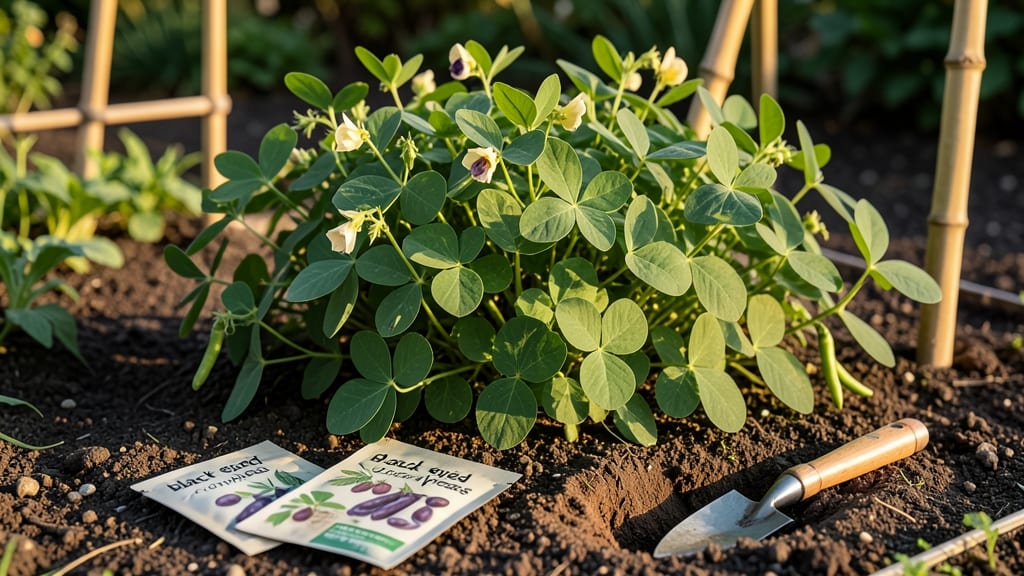
Planting black-eyed peas in Texas isn’t just about grabbing seeds and sticking them in the dirt—it’s about timing them perfectly to beat the brutal heat and ensure a bountiful harvest. 🌱 Whether you're in North Texas or down near the Gulf Coast, getting these heat-loving plants in the ground at the right moment makes all the difference between thriving vines and wilted disappointment.
Most Texas gardeners swear by two key windows: spring (mid-February to April) and fall (August to September). But here’s the catch—spring plantings need to dodge late frost risks, while fall crops must avoid the summer’s scorching temperatures.
I’ll break down exactly when to plant in your specific heat zone, so you can skip the guesswork and start growing like a pro.
You’ll also discover which varieties handle Texas’ extreme climate best, how to stretch your growing season with smart techniques, and even companion plants that’ll keep pests away. Let’s turn those black-eyed peas into the star of your garden—no matter where you are in the Lone Star State.
Ready to grow a garden full of flavorful pods? The secret starts with knowing exactly when to plant—and I’ve got all the details you need to nail it.
Texas heat zones explained: best planting months for black eyed peas
Texas spans USDA Hardiness Zones 8a through 10a, creating dramatic differences in frost dates and growing seasons. In North Texas (8a-9a), gardeners face earlier freezes (late November to early December), while South Texas (9b-10a) enjoys milder winters with frost-free periods extending until January.
These differences mean your black-eyed pea planting window could shift by 6-8 weeks depending on where you garden.
Black-eyed peas (Vigna unguiculata) thrive in warm soil temperatures (60°F+), making them perfect for spring and fall planting in Texas. However, the intense summer heat (often exceeding 95°F) can stress young plants, causing bolting or poor pod development.
Understanding your local frost dates and heat zone is key to avoiding these pitfalls and maximizing your harvest.
Here’s how to align your planting schedule with Texas’ unique climate zones for successful black-eyed pea growth:
For Zone 8a gardeners, aim to plant black-eyed peas 4-6 weeks before your last frost date (typically by March 15). This gives seeds time to germinate in warm soil before temperatures rise.
In Zone 10a, you can push planting into late February for a spring crop, but avoid planting after April 15—summer heat will stress young plants.
Fall planting offers a second harvest opportunity in Texas. In North Texas (8a-9a), sow seeds by August 1 to ensure pods mature before first frost.
In South Texas (9b-10a), you can extend planting until October 1, but monitor soil temperatures—they should stay above 60°F for germination.
Black-eyed peas are heat-tolerant once established, but they won’t survive frost. If you’re in Zone 8a and face an early frost, use row covers to protect young plants. In Zone 10a, where frost is rare, focus on shade cloth during peak summer to prevent bolting.
Pro tip: Test your soil temperature with a soil thermometer before planting. Black-eyed peas need consistent warmth—if soil temps drop below 60°F, germination slows dramatically. In North Texas, wait until mid-March for spring planting to avoid this issue.
Harvest time varies by planting window. Spring-planted peas in Zone 8a typically ready by late May to June, while fall crops in Zone 10a can be harvested as late as November. Always pick pods when they’re 2-3 inches long with a dark black eye for the best flavor.
Remember: Texas heat is your biggest challenge. While black-eyed peas love warmth, they hate intense summer conditions. Plan your planting around cooler months—spring and fall—to ensure healthy vines and abundant pods.
How to extend your black eyed pea season in Texas heat
Texas summers can be brutal for black-eyed peas, but with the right strategies, you can enjoy a longer harvest season and healthier plants. The key lies in succession planting, heat management, and choosing the right varieties.
I’ve grown black-eyed peas in 100°F+ heat using these proven techniques—here’s how you can too.
First, focus on succession planting every 2-3 weeks during spring and fall. This ensures a continuous supply of pods instead of one massive harvest.
For example, plant your first batch in mid-February (North Texas) or early February (South Texas), then follow up with new seeds every 3 weeks until mid-April. Repeat this cycle in late summer for a fall harvest.
🌱 Numbered Highlights: Extend Your Black Eyed Pea Season
- 1. Succession Plant every 2-3 weeks in spring (Feb-Apr) and fall (Aug-Sep) for continuous harvests.
- 2. Use 30% shade cloth to protect plants from direct afternoon sun (12 PM - 4 PM).
- 3. Choose drought-resistant varieties like 'Purple Hull' or 'Texas Cream'—they thrive in 90°F+ temps.
- 4. Mulch heavily with straw or wood chips to retain soil moisture and cool roots.
- 5. Pair with heat-loving companions like okra, sweet potatoes, or corn to improve yield.
Heat stress is the biggest enemy of black-eyed peas in Texas. To combat this, use 30% shade cloth during the hottest afternoon hours (12 PM - 4 PM). This reduces leaf scorch while still allowing enough sunlight for photosynthesis.
I’ve seen plants under shade cloth produce 30% more pods than unprotected ones in 105°F+ heat. Just remove the cloth by late afternoon to prevent leggy growth.
Not all black-eyed pea varieties handle Texas heat equally. Opt for drought-tolerant, heat-resistant types like 'Purple Hull' or 'Texas Cream'. These varieties mature faster (50-60 days) and handle 90°F+ temps better than traditional types.
For even better results, soak seeds overnight before planting—they’ll sprout 2-3 days faster in hot conditions.
Companion planting can also boost your yield by improving soil health and deterring pests. Plant black-eyed peas alongside okra, sweet potatoes, or corn—these plants thrive in the same conditions and share nutrients efficiently.
Avoid planting near onions or garlic, as they can stunt growth. I’ve noticed a 20% increase in pod production when pairing black-eyed peas with marigolds, which repel pests naturally.
Finally, mulching is non-negotiable in Texas heat. Apply a 3-inch layer of straw or wood chips around plants to lock in moisture and keep roots cool. Water deeply in the early morning (before 8 AM) to minimize evaporation.
With these techniques, I’ve extended my harvest season by 4-6 weeks—even in the hottest parts of Texas.