
Plants
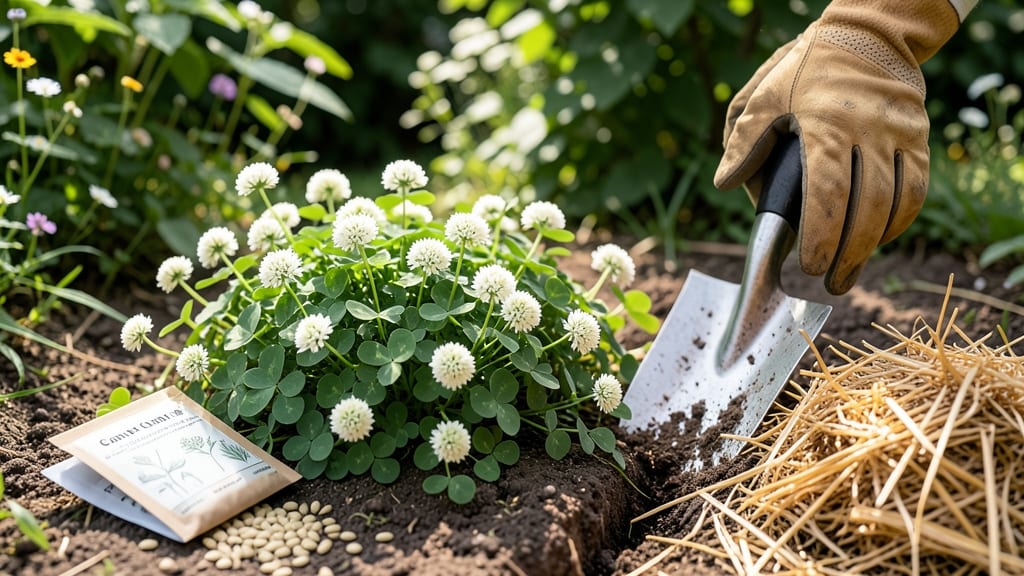
Planting clover in Kentucky at the wrong time can leave you with patchy growth or worse—failed establishment. The key to success lies in understanding when soil temperatures and moisture align perfectly for this hardy perennial to take root.
Unlike annuals, clover thrives when planted in either early spring (March-April) or early fall (September-October), avoiding Kentucky’s unpredictable frost risks. These windows ensure your 🌱 clover gets the head start it needs to outcompete weeds and establish strong roots before summer heat or winter chill sets in.
But timing isn’t just about months—it’s about soil conditions. Clover germinates best when temperatures hover between 45-55°F, which in Kentucky’s 6a-7a zones typically means waiting until after the last frost (usually mid-April) for spring plantings.
Fall plantings, however, can begin earlier if you’re prepared to protect seedlings from late-season frosts.
Whether you’re overseeding a lawn, improving soil health, or supporting pollinators, getting this right makes all the difference. I’ll walk you through exactly how to time your planting for fast, reliable results—no guesswork required.
Best months to plant clover in Kentucky by region
Kentucky’s diverse geography means your clover planting success depends on knowing your specific region. The state spans USDA zones 6a-7a, with microclimates that shift planting windows by weeks.
In the Bluegrass Region, milder winters let you start earlier, while the Western Coal Fields demand patience for soil warming. Let’s break down the best months for each area to maximize germination rates and root establishment.
For Bluegrass Region (Lexington, Louisville), aim for late February to early April in spring or mid-September to late October in fall. This area’s warmer microclimates allow earlier planting than other regions.
Meanwhile, the Pennyroyal Plateau (Bowling Green) should wait until mid-March to mid-April in spring, as cooler nights delay soil warming. Fall planting here shifts to late September to early October to avoid early frosts.
Western Coal Fields (Paducah) gardeners face the latest planting windows: late March to early May in spring and October 1-15 in fall. These areas often experience later last frosts (sometimes mid-April) and colder soils. Using a soil thermometer (target 50°F) is critical here—planting too early can kill seeds.
Here’s a side-by-side comparison of planting windows by region, including soil temperature thresholds and frost risk periods to help you choose the perfect timing:
| Region | Spring Planting Window | Ideal Soil Temp | Last Frost Date | Fall Planting Window | First Frost Date |
|---|---|---|---|---|---|
| Bluegrass | Late Feb - Early Apr | 50-55°F | Mid-April | Mid-Sept - Late Oct | Early Nov |
| Pennyroyal Plateau | Mid-Mar - Mid-Apr | 50-55°F | Late April | Late Sept - Early Oct | Mid-Oct |
| Western Coal Fields | Late Mar - Early May | 50-55°F | Mid-April | Oct 1-15 | Late Oct |
Why does this matter? Clover seeds need consistent moisture and warm soil to germinate. Planting too early in cold soil (below 50°F) risks rot or poor establishment.
Conversely, waiting until after the last frost ensures seedlings won’t get fried by unpredictable late frosts—a common issue in Kentucky’s transition zones.
For Bluegrass Region gardeners, March is ideal because it balances soil warmth and rainfall. The area’s higher elevations can still see light frosts in April, so hold off until mid-month if nights dip below 32°F.
Use a frost cloth if you’re eager to plant earlier—just remove it during the day to avoid overheating.
In the Pennyroyal Plateau, focus on late March to early April when daytime highs reach 60°F consistently. This region’s drier soils mean you’ll need to water deeply after planting (1 inch per week).
Fall planting here should prioritize September to give roots time to establish before October’s first frost, which can arrive 2-3 weeks earlier than in Bluegrass.
The Western Coal Fields require the most caution. April plantings are common here, but soil tests show these areas often stay below 50°F until late April. If you’re planting in May, opt for white clover varieties, which handle hotter soils better than red clover.
Fall plantings here must finish by October 15 to avoid winter kill.
Pro tip: Overseeding lawns? Use a slit seeder in late spring (May) for best results—this avoids competing with established grass while giving clover time to spread before summer heat. For new plantings, stick to the early spring/fall windows above for 90%+ germination rates.
Remember, clover thrives in full sun (6+ hours daily), so choose a south-facing slope if possible. If your yard has shady spots, mix in microclover, which tolerates partial shade better than traditional varieties. Now grab your seed and soil thermometer—Kentucky’s perfect planting window is waiting!
How to check soil temperature and conditions for perfect germination
Planting clover in Kentucky requires more than just picking a month—your soil’s temperature and moisture levels are the real game-changers. Clover seeds need soil temps between 45-55°F to germinate properly, and Kentucky’s spring soil can be a moving target.
Too cold, and your seeds will rot; too warm, and they’ll dry out before sprouting. Let’s break down how to test your soil like a pro.
Start by monitoring soil temperature for at least 3-5 days before planting. Use a soil thermometer (available for under $10) to check the temperature 2-3 inches deep—this is where clover seeds will be.
In Kentucky’s USDA zones 6-7, aim for consistent temps above 50°F in spring or 60°F or lower in fall. Pro tip: Early mornings are the best time to check, as temps fluctuate less.
Next, assess moisture levels—clover seeds need consistent dampness, not soggy soil. Press your finger 1-2 inches into the soil; it should feel like a wrung-out sponge. If it’s dry, water deeply until moisture reaches 4-6 inches down.
Overwatering is just as bad as underwatering, so avoid planting after heavy rains, which can drown seeds or wash them away.
Kentucky’s late frosts (often until mid-April) can kill young clover seedlings. Even if soil temps hit 50°F, a single night below 32°F will set you back. Use a frost calendar for your county (check the UK Ag Weather Center) and wait until after the last average frost date—typically late April in most regions.
Don’t forget to test soil pH, as clover thrives in slightly acidic to neutral soil (pH 6.0-7.0). Grab a pH test kit (or send a sample to your local Cooperative Extension Service) and amend with lime (to raise pH) or sulfur (to lower pH) if needed.
Kentucky’s clay-heavy soils often need compost or peat moss to improve drainage, too—clover hates waterlogged conditions.
For fall planting (September-October), focus on soil temps cooling to 60-65°F and evening frost approaching. This gives seeds time to germinate before winter dormancy. In Kentucky’s Pennyroyal Plateau, where nights get chilly faster, aim for early September planting to avoid early frosts.
Always plant 1-2 weeks before your first frost date to give roots time to establish.
Finally, observe your microclimate. South-facing slopes warm faster than north-facing areas, and low spots hold moisture longer. If your yard has uneven conditions, test multiple spots and plant in the warmest, moistest areas first.
With these checks, your clover will germinate in 7-14 days—not the weeks of waiting that comes from guessing.