
Plants
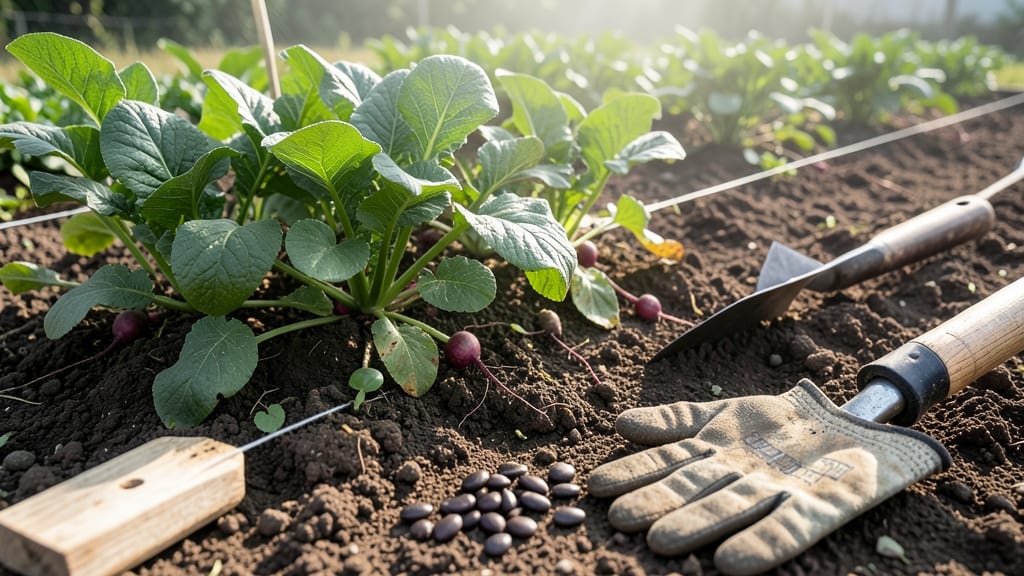
Planting beets in Zone 5b at the wrong time can turn your garden dreams into a bitter disappointment—especially when those 🍠 roots need cool soil to germinate properly. Miss the frost-date math, and you’ll end up with tough, woody beets instead of the tender harvest you crave.
Here’s the secret: timing matters more than you think. Plant too early, and frost will zap your seedlings. Too late, and the heat will send them bolting before you even get a chance to enjoy them.
But get it right, and you’ll be pulling fast-growing beets in as little as 40 days—just in time for summer salads.
In this guide, I’ll break down the exact planting windows for both spring and fall in Zone 5b, plus the soil temperature tricks that make all the difference.
Whether you’re a first-time gardener or a seasoned pro, these tips will help you avoid the most common mistakes and maximize your harvest.
Ready to turn your beet dreams into reality? Let’s dive into the frost-date math that’ll give you the fastest, most reliable beet harvest in your garden.
Zone 5b beet planting calendar: exact dates for spring & fall success
Beets thrive in Zone 5b when planted during two key windows: early spring and late summer. These periods align with your region’s average last frost (April 15) and first frost (October 15), but soil temperature is just as critical as calendar dates.
For best results, aim for soil temps between 55–85°F—too cold, and germination stalls; too hot, and seeds bolt prematurely.
Spring planting starts 4–6 weeks before your last frost, typically mid-March to early April. This gives seedlings time to mature before summer heat sets in. Fall planting begins 8–10 weeks before your first frost, usually mid-July to early August, ensuring a second harvest before winter arrives.
Both windows require precise timing to avoid woody roots or bitter greens.
Pro Tip: Use a soil thermometer to confirm readiness—beets won’t sprout below 55°F, even if the calendar says it’s safe. In my garden, I’ve seen seeds sit for weeks in 50°F soil, while they pop up in 2–3 days at 60°F. Patience (and a thermometer) pays off!
🔍 Key Dates for Zone 5b:
- Spring Planting: March 15–April 10 (adjust based on soil temp)
- Fall Planting: July 1–August 5 (prioritize heat-tolerant varieties)
- Last Chance: September 1 (for fast-maturing varieties only)
Direct sowing is the gold standard for beets in Zone 5b, but transplants work in a pinch—just harden off seedlings for 7–10 days before setting them out.
I’ve had success with 4-week-old seedlings moved to the garden in early May, but they lag behind direct-sown seeds by 10–14 days. For transplants, focus on heat-tolerant varieties like ‘Cylindra’ or ‘Detroit Dark Red’.
Soil prep is non-negotiable: Beets hate compacted or rocky soil. Amend beds with 2–3 inches of compost and loosen the top 6 inches to encourage deep root growth.
My secret? A broadfork for aeration—it’s gentler than a tiller and preserves soil structure. Test your soil’s pH too; beets prefer 6.0–7.0 for optimal nutrient uptake.
Watering strategy makes or breaks your harvest. Consistent moisture is critical—beets need 1 inch per week, but drought stress leads to woody roots. In Zone 5b’s dry summers, I water deeply every 2–3 days and mulch with straw to retain moisture.
Avoid overhead watering; foliar diseases (like leaf spot) thrive in damp greens.
Watch for bolt warnings: Long days and heat trigger flowering. If your beets send up skinny stems or yellow leaves, they’re bolting. To delay this, plant in partial shade during peak summer or use shade cloth (30–50% coverage).
My late-July plantings often bolt by September—so I prioritize fast-maturing varieties (e.g., ‘Babybeat’) for fall.
Harvest timing is simple: Pull roots when they’re 1–2 inches wide and before greens turn tough. In Zone 5b, spring beets are ready by late June, while fall beets hit their prime in October.
Store extras in the fridge for 2–3 weeks or cure and cellar them for winter use. Don’t wait too long—overgrown beets become leathery and pithy!
For container growers, 5-gallon pots work well with one plant per container. Use a lightweight potting mix (add perlite for drainage) and fertilize lightly every 4 weeks. My balcony beets in July thrived with morning sun and daily watering—proof that even small spaces can deliver big harvests.
🌱 Remember: Zone 5b’s unpredictable springs mean flexibility is key. If frost lingers, wait for soil warmth—your beets will thank you with sweet, tender roots instead of bitter disappointment. Happy planting!
5 Critical factors that ruin beet germination in Zone 5b (and how to fix them)
Beets are finicky about their growing conditions, and Zone 5b's unpredictable spring weather can turn your seeds into a disappointing flop. I’ve seen soil temperature swings of 20°F in a single week here, which confuses beet seeds into thinking it’s either too hot or too cold to sprout.
Even worse, overly wet soil or poor seed depth can smother those tiny seeds before they even get started.
One of the biggest mistakes I’ve made was planting beets too early in cold, damp soil. The seeds just sat there, rotting instead of sprouting. Then, when I finally got them in the ground at the right time, I didn’t thin them properly, leading to crowded, misshapen roots.
The key is balancing timing, soil prep, and seed placement—and I’ll show you exactly how to nail it.
In Zone 5b, planting beet seeds ½ inch deep is ideal. Any deeper, and they’ll struggle to reach sunlight. Use a soil thermometer to confirm temps are between 55–85°F before sowing. If your soil is too cold, wait—patience here prevents future headaches!
Another common issue is soil temperature swings, especially in early spring. Beets germinate best when soil stays consistently between 55–85°F. If your garden sits in a microclimate (like a south-facing slope), you might plant 2–3 weeks earlier than the general calendar suggests.
Always test soil temps with a thermometer—don’t guess!
Overly wet conditions are a silent killer for beet seeds. If your Zone 5b soil drains poorly, amend it with compost or sand before planting. I once lost an entire row because I ignored a heavy rain forecast after sowing.
Now, I use raised beds with mulch to keep moisture consistent without drowning the seeds.
Companion planting can also save your harvest. Pair beets with lettuce, radishes, or onions to improve soil structure and deter pests. Avoid planting near pole beans or sunflowers, which compete for nutrients.
For a longer harvest window, try succession planting every 2 weeks from late spring to early summer.
Finally, thinning seedlings properly is non-negotiable. Once your beets sprout and reach 2–3 inches tall, thin them to 3–4 inches apart. Use scissors to snip unwanted seedlings at soil level—this prevents disturbing the roots of the plants you’re keeping.
A little extra care here means fewer woody, misshapen beets later.