
Plants
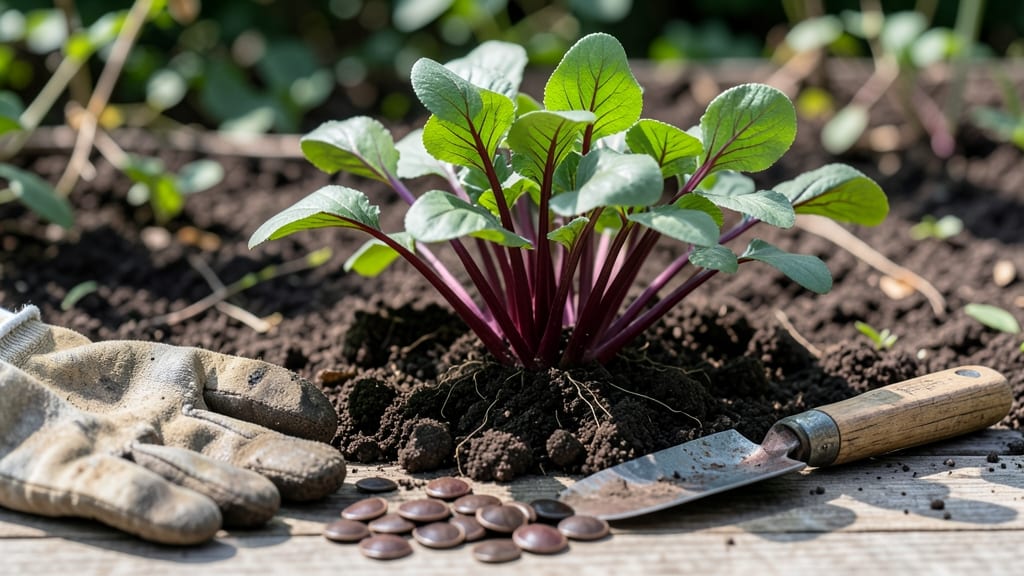
Planting beets in Maryland can feel like a gamble—one wrong move, and your tender 🍠 roots bolt into bitter seeds before you even harvest. But mastering the exact planting windows turns that gamble into a foolproof strategy for sweet, consistent harvests all season.
The key is timing: Maryland’s 7a-7b climate gives you two prime chances—spring and fall—when soil stays cool enough to prevent bolting. Skip these windows, and you’ll end up with tough, woody beets or worse, a garden full of seed stalks.
Let me show you the precise weeks to plant for maximum success.
We’re talking about March 15 to April 30 for spring and August 1 to September 15 for fall, with a few critical adjustments based on your microclimate. Whether you’re in Baltimore’s urban heat islands or Western Maryland’s cooler valleys, these dates keep your beets thriving when temperatures are just right.
Ready to avoid the bolting blues? I’ll walk you through Maryland-specific tips—from soil prep to succession planting—to ensure your beets stay sweet from June through November. No more guesswork, just perfect timing.
Maryland beet planting calendar: exact weeks to avoid bolting
Timing is everything when growing beets in Maryland. The wrong week can send your plants bolting—sending up bitter flower stalks instead of sweet roots. Maryland’s USDA Zones 7a-7b create distinct planting windows for spring and fall crops, with soil temperatures and heat thresholds dictating success.
Let’s break down the exact weeks to plant for each region.
Maryland’s climate varies between Western, Eastern, and Baltimore metro areas. Western regions (like Frederick) tend to warm up 1-2 weeks earlier than Eastern shores (like Annapolis). Baltimore sits in the middle, with a last frost date around April 15 and first frost near October 31.
These differences mean your planting schedule should shift based on location.
Beets bolt when soil temperatures exceed 75°F (24°C) for prolonged periods or when days get too long. In Maryland, this typically happens by mid-May in most areas. To avoid bolting, plant spring beets 4-6 weeks before the last frost and fall beets 8-10 weeks before the first frost.
Let’s dive into the exact weeks for each region.
Here’s your Maryland beet planting calendar, including soil temperature triggers and bolting risk factors:
| Region | Spring Planting Window | Soil Temp Trigger | Bolting Risk | Fall Planting Window |
|---|---|---|---|---|
| Western Maryland (Frederick, Hagerstown) | March 15 - April 15 | 50-60°F (10-15°C) | Low (cooler nights) | August 1 - September 1 |
| Baltimore Metro | March 20 - April 20 | 50-60°F (10-15°C) | Moderate (urban heat islands) | August 10 - September 10 |
| Eastern Maryland (Annapolis, Chesapeake) | March 25 - April 25 | 50-60°F (10-15°C) | Low (cooler coastal breezes) | August 15 - September 15 |
| All Regions (Succession Planting) | Every 2 weeks until May 1 | N/A | Staggered risk | Every 2 weeks until Sept 15 |
🌱 Note: Soil temps below 50°F delay germination; wait until soil warms to 50°F+.
For spring plantings, aim to sow seeds 4-6 weeks before your last frost date. In Western Maryland, this means starting as early as mid-March, while Eastern regions should wait until late March. Use row covers if nights dip below 40°F (4°C) to protect young seedlings.
Bolting risk spikes when soil temperatures hit 75°F (24°C) consistently. In Maryland, this typically occurs by mid-May in most areas. To extend your harvest, opt for bolting-resistant varieties like ‘Detroit Dark Red’ or ‘Golden Beet’ and plant fall crops by mid-August at the latest.
In fall plantings, focus on getting seeds in the ground 8-10 weeks before your first frost. Eastern Maryland’s cooler coastal climate allows for later plantings—up to September 15—while Western regions should finish by September 1.
Use black plastic mulch to warm soil faster in fall, helping seeds germinate quickly.
Pro tip: Test your soil temperature with a soil thermometer before planting. Beets won’t germinate well in soil below 50°F (10°C), and waiting for ideal conditions prevents slow, uneven sprouting. In Maryland, this usually means waiting until mid-March for spring and mid-August for fall.
Remember, Maryland’s microclimates can shift planting windows by weeks. If you’re in a low-lying area or near water, expect cooler soil temps and later planting dates. Conversely, urban heat islands (like parts of Baltimore) may require earlier fall plantings to avoid bolting.
By following these exact weeks and monitoring soil temperatures, you’ll harvest tender, flavorful beets from spring through fall—without a single bitter bolt in sight. Happy planting! 🌿
How to extend Maryland beet season for continuous harvests
Maryland’s unpredictable spring and fall weather can turn your beet harvest into a gamble—one day of heat sends them bolting before you even taste their sweetness. But with the right strategies, you can stretch your beet season from early spring to late fall.
The key? Succession planting, shade protection, and choosing varieties like 'Detroit Dark Red' that handle Maryland’s temperature swings like a pro.
I’ve learned the hard way that planting once and hoping for the best rarely works here. Instead, I space out my plantings every 2-3 weeks during both spring and fall. This ensures a steady supply of fresh beets while minimizing bolting risks.
Pair this with 30% shade cloth during peak summer heat, and you’ll keep your beets happy and harvestable long after your neighbors’ plants have gone to seed.
📌 5 Proven Strategies to Extend Your Maryland Beet Season
- 1 Plant in staggered batches every 2-3 weeks from March 15–April 30 and August 1–September 15 to ensure continuous harvests.
- 2 Use 30% shade cloth during June–August to keep soil temps below 80°F and prevent bolting.
- 3 Choose cold-hardy varieties like 'Detroit Dark Red' or 'Golden', which tolerate Maryland’s USDA Zone 7b fluctuations.
- 4 Mulch with 2–3 inches of straw to maintain even soil moisture and reduce temperature swings.
- 5 Harvest smaller beets (1–2 inches) first to encourage larger roots for later harvests, extending your season by 4–6 weeks.
One of my biggest mistakes was ignoring the soil temperature when planting fall beets. Maryland’s soil stays warm well into September, so I now test it before planting—aim for 50–60°F.
If it’s warmer, I delay or use shade cloth. This small step has kept my fall harvests thriving even when summer lingers.
For late-season beets, I swear by 'Chioggia' and 'Babybeat' varieties—they mature faster and handle cooler temps better than standard types. I also plant them closer together (2 inches apart) in raised beds, which warm up faster in spring and stay cooler in fall.
This trick has added 3 extra harvests to my season each year.
Don’t forget to thin seedlings properly—crowded beets compete for nutrients and bolt faster. I use a pair of scissors to snip unwanted plants at soil level, which reduces stress on the remaining roots.
Pair this with consistent watering (1 inch per week), and your beets will reward you with tender, sweet roots until the first frost.
With these strategies, I’ve gone from 2 harvests per year to 6+, all while keeping my beets bolting-free. The secret? Planning ahead and adapting to Maryland’s quirks—because here, the weather changes faster than you can say "harvest time." 🌱