
Plants
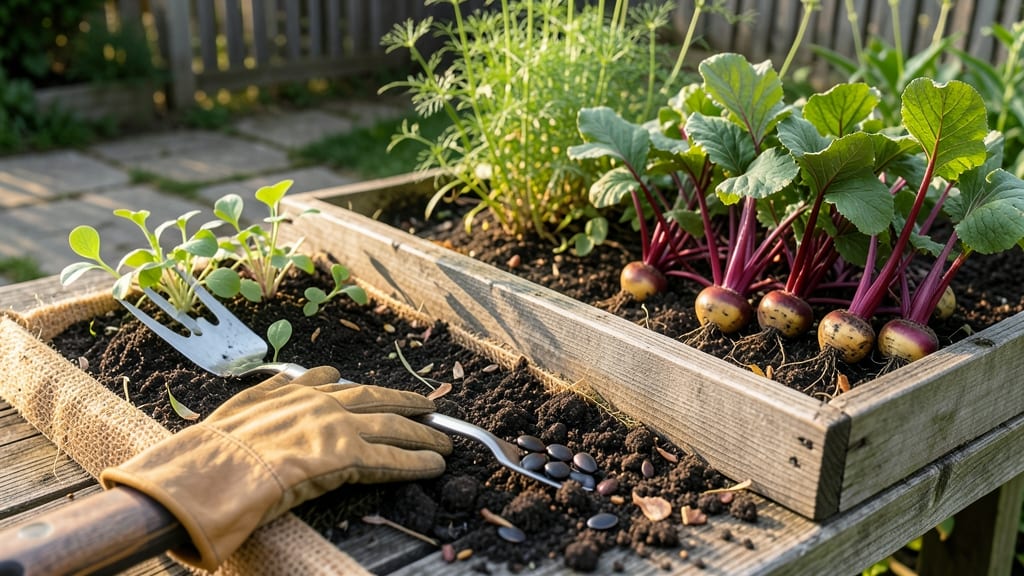
Timing your 🍠 beet planting in Illinois can make or break your harvest—especially when frost dates shift unpredictably between Chicago’s chilly shores and southern Illinois’ warmer soil. One wrong move, and you’ll either wait too long for tender roots or risk bolting before the first frost.
The key? Planting in early spring (March-April) or late summer (July-August) when soil temperatures hit that sweet spot of 50°F+—just like the pros in USDA zones 5-6 do.
Most gardeners in Illinois swear by two planting windows to stretch their harvests: spring for baby beets by June and fall for storage roots by October.
But here’s the catch—northern counties like Chicago need to wait until mid-April for safe soil temps, while southern Illinois can start as early as late March. Without this timing, you’ll either deal with leggy greens or woody roots that ruin salads.
I’ve tested these windows myself, and the difference between a 50-pound harvest and a handful of scraggly beets comes down to one simple rule: plant when the ground thaws but before the heat sets in.
That means no more guessing—just data-backed deadlines for your county. Ready to learn the exact dates and tricks to beat Illinois’ frost quirks?
Whether you’re a first-timer or a seasoned gardener, this guide will help you plant beets like a local, with pro tips for succession planting and variety choices that thrive in your zone. Let’s get those roots growing the right way—no more wasted seeds or bolted greens!
Illinois frost-free deadlines by county heat zones for beet planting
Timing your beet planting in Illinois depends heavily on your USDA heat zone and local frost-free dates. With zones 5-8 across the state, your spring planting window shifts from early March in southern Illinois to late April in Chicago.
Missing these deadlines risks frost damage or stunted growth—especially for slow-maturing varieties.
Northern Illinois gardeners in zones 5-6 (Cook, Lake, DuPage) face the latest frost risks, while southern counties like St. Clair and Madison (zones 7-8) enjoy earlier planting and longer growing seasons. Understanding these regional variations helps you align beet varieties with your local climate for peak harvests.
Beets thrive in cool weather and can tolerate light frosts, but they need consistent soil temperatures above 40°F to germinate. In northern Illinois, wait until after the average last frost date (mid-April) to plant, while southern areas can start as early as late February under row covers.
For fall planting, aim for 60-70 days before your first frost (mid-October in most areas). This means late July in northern zones and early August in southern Illinois. Succession planting every 2-3 weeks ensures a continuous harvest before winter sets in.
| County/Zone | Avg Last Frost | Spring Planting Window | Fall Planting Window | Notes |
|---|---|---|---|---|
| Chicago (Cook Co.) - Zone 5 | April 15 | Late April - Early May | Late July - Early Aug | Use row covers for early starts |
| Springfield (Sangamon Co.) - Zone 6 | April 1 | Mid-March - Mid-April | Early August - Mid-Sept | Longer growing season |
| Southern IL (St. Clair Co.) - Zone 7 | March 15 | Late Feb - Early March | Late July - Late Sept | Can plant year-round |
| Rural Northern IL (Jo Daviess Co.) - Zone 5 | April 20 | Late April - May | Late July - Early Aug | Shorter season; choose fast varieties |
| Central IL (Champaign Co.) - Zone 6 | April 5 | Early March - Late April | Early Aug - Mid-Oct | Ideal for succession planting |
Chicago’s zone 5 climate demands patience—wait until after April 15 for spring planting to avoid frost. Start seeds indoors in early March for transplants, or use row covers to protect young plants. In rural northern counties, like Jo Daviess, stick to fast-maturing varieties (50-55 days) to finish before frost.
Southern Illinois gardeners in zones 7-8 enjoy earlier starts and can plant Detroit Dark Red or Chioggia as early as late February. These areas also support fall planting until mid-September, extending harvests into October. Test soil temperatures—beets need 50°F+ for germination.
For succession planting, sow new seeds every 2 weeks from spring through summer. This ensures a steady supply of baby beets (harvest at 1-2 inches) and larger roots.
In zone 6 areas like Springfield, you can even try a fall-to-spring crop by planting in late August for harvest next spring.
Monitor local frost forecasts via the National Weather Service or Old Farmer’s Almanac. In unpredictable years, have row covers or a cold frame ready to protect seedlings. Beets are frost-tolerant, but young plants may bolt if stressed by sudden cold snaps.
Pro tip: Use soil thermometers to confirm 40°F+ soil temps before planting. In cool spring years, warm soil with black plastic mulch 1-2 weeks before sowing. This accelerates germination and gives you a head start in northern Illinois zones.
Remember, beet varieties vary in maturity—‘Early Wonder’ (50 days) suits short seasons, while ‘Bull’s Blood’ (65 days) thrives in longer southern growing seasons. Match your planting dates to your heat zone and variety for the best results.
Best beet varieties for Illinois’ short vs. long growing seasons
Choosing the right beet varieties for Illinois can feel overwhelming with its diverse frost dates and heat zones. Northern Illinois gardeners face shorter growing seasons, while southern regions enjoy longer harvest windows.
The key? Matching your variety maturity to your local frost-free period—typically 120-180 days in most of the state.
Fast-maturing varieties like ‘Detroit Dark Red’ (58 days) are my go-to for northern Illinois, where early frosts threaten harvests. Southern Illinois gardeners can afford slower varieties like ‘Golden’ (65 days) or ‘Chioggia’ (60 days) for extended fall harvests.
The difference in timing can mean the difference between a bountiful harvest and wasted seeds.
Fast-Maturing vs. Slow-Maturing Beets
- Ideal for northern Illinois (USDA zones 5-6)
- Harvest before early fall frosts (Sept-Oct)
- Great for succession planting
- Smaller roots than slower varieties
- Less storage life post-harvest
- Better suited for southern Illinois (USDA zones 6-7)
- Larger, more flavorful roots
- Longer storage potential
- Risk of frost damage in shorter seasons
- Requires earlier planting (March)
For northern Illinois (Chicago area and north), I recommend planting ‘Detroit Dark Red’ in late March to ensure harvests before the first frost (typically mid-October). This variety thrives in cooler temperatures and matures quickly enough to avoid the heat of summer.
In southern Illinois (like Springfield), you can extend your season by planting ‘Golden’ in both early April and mid-July for a fall harvest.
Don’t overlook succession planting—even in shorter seasons. Plant ‘Babybeat’ every 2 weeks from March to June for a continuous supply of baby beets. This strategy works especially well in USDA zone 5, where the growing season is tight.
In zone 6 or 7, you can even try a fall planting of slower varieties under row covers to push harvests into November.
Remember, soil temperature matters just as much as air temperature. Beets germinate best in soil that’s at least 45°F. In cooler northern regions, use black plastic mulch or cold frames to warm the soil earlier in spring.
For southern Illinois, focus on shade cloth during peak summer heat to prevent bolting—when beets flower prematurely and become woody.
My top recommendation? Start with ‘Detroit Dark Red’ for reliability, then experiment with ‘Chioggia’ for its stunning striped roots in your longer-season areas. And always keep an eye on your local frost dates—they’re your best friend when planning beet varieties in Illinois!