
Plants
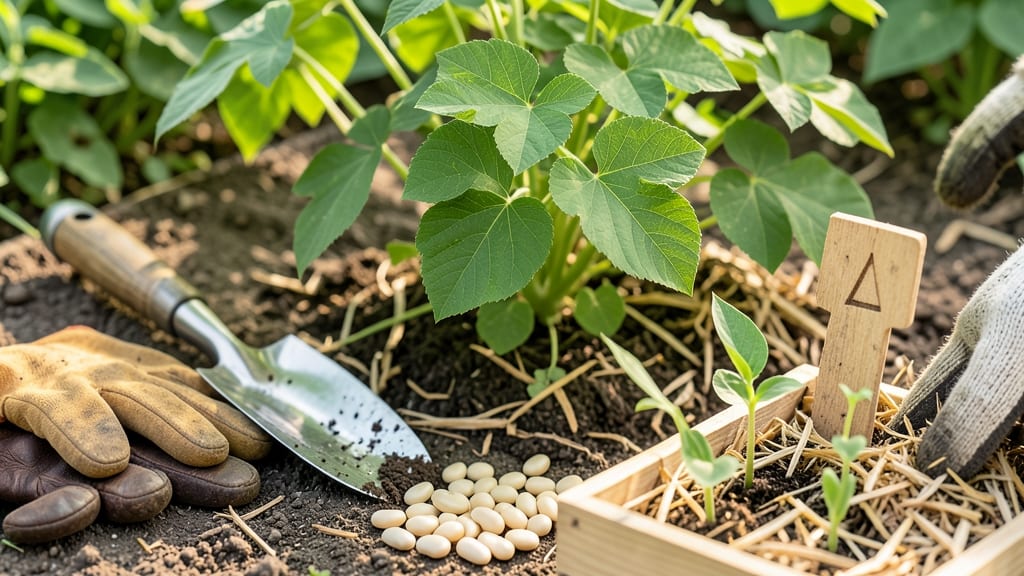
Planting beans in Zone 7 at the wrong time can turn your garden dreams into a bitter disappointment—slow germination or beans bolting before you even taste them. The key to a fast, flavorful harvest lies in understanding your soil's secret language: temperature.
I’ve learned the hard way that waiting until the last frost date isn’t enough. Beans need soil that’s warmed to at least 60°F—and that timing shifts between spring and fall plantings.
Whether you’re growing bush beans or pole beans 🌱, getting this right means the difference between a 5-minute harvest and weeks of waiting.
In this guide, I’ll break down the exact windows for planting in Zone 7, including how to test soil temperature and adjust for your microclimate. No more guessing—just proven tricks to skip the bolt risk and enjoy fresh pods all season long.
Ready to grow beans that sprout in days, not weeks? Let’s dive into the soil temp secrets that’ll transform your garden’s productivity.
Best planting windows for Zone 7 beans: soil temperature rules for success
Beans in Zone 7 thrive when planted during two key windows: spring (April–June) and fall (September–October). The secret to success? Soil temperature—beans need 50–85°F soil to germinate properly. Planting too early in cold soil or too late in scorching heat leads to slow starts or bitter pods.
Let’s break down the perfect timing for pole beans and bush beans while avoiding common mistakes.
In Zone 7, the average last frost date is around April 15, but your exact window depends on microclimates. Urban areas may warm faster than rural spots, so always check your local frost-free dates.
For fall planting, aim to sow seeds 8–10 weeks before the first frost (typically early September). This ensures pods mature before cold snaps hit.
Here’s the golden rule: Use a soil thermometer to confirm temperatures. Beans won’t sprout reliably below 50°F, and soil above 85°F can stunt growth. Test your soil in the morning—it’s usually 5–10°F cooler than afternoon readings.
If your soil is too cold, wait a week or use black plastic mulch to warm it faster.
Pole beans (like Kentucky Wonder) and bush beans (like Blue Lake) have slightly different needs. Pole beans need longer growing seasons (90+ days) and benefit from early spring or late summer starts.
Bush beans mature faster (50–60 days) and can handle succession planting every 2 weeks for continuous harvests.
⚠️ Pro Tip: If your soil is too cold but you’re eager to plant, try seedling starts in biodegradable pots. Transplant them once soil warms to 60°F. This shortcut works well for bush beans, which tolerate cooler temps better than pole beans.
If you’re unsure about your soil temperature, grab a soil thermometer (they’re cheap and game-changing). Stick it 2 inches deep in the soil and check it for 3–5 days to spot trends.
Morning readings are most accurate because soil cools overnight. If your soil is below 50°F, hold off—beans will sit in the ground for weeks without sprouting.
For fall planting, focus on bush beans like Contender or Provider, which mature in 50–60 days. Pole beans need more time, so plant them 8–10 weeks before frost to avoid stunted growth. Use row covers if nights dip below 50°F to protect young plants.
One of my biggest mistakes was planting pole beans in late May when soil was already 80°F. The seeds germinated slowly, and by the time they sprouted, the heat had already stressed the seedlings.
Now, I always check soil temp first—it’s the difference between a bountiful harvest and a disappointing yield.
To extend your season, try succession planting every 2 weeks in spring and fall. This ensures a steady supply of fresh pods. For pole beans, plant near a trellis or fence to save space and improve airflow.
And remember: consistent moisture is key—beans hate drying out, so water deeply 1–2 inches per week.
With the right timing and soil temps, you’ll enjoy crisp, sweet beans all season long. Start with
How to avoid bolt risk: late-season planting tricks for Zone 7 gardeners
Late-season planting can extend your bean harvest well into fall, but bolt risk (premature flowering) threatens sweet pods. In Zone 7, where summers are hot and fall arrives early, timing and protection are key.
I’ve learned that succession planting and heat management can turn late-season challenges into a second harvest opportunity.
Beans planted too late in summer often bolt before producing edible pods. The trick is to start seeds indoors 4-6 weeks before your average first frost (around October 15 in Zone 7) or use heat-tolerant varieties like 'Black Valentine' or 'Contender.'
These varieties can handle 90°F+ soil temps better than traditional types.
⚠️ Late-Season Planting Warning
Stop planting beans in Zone 7 by September 1 unless using shade protection. After this date, days shorten rapidly, and beans may bolt before maturing. For fall harvests, focus on succession planting every 2 weeks from July 15 to August 15.
To protect your late-season beans, use 30-50% shade cloth to reduce soil and air temperatures by 10-15°F. This slows bolting while still allowing enough light for growth. I’ve had success with black shade cloth draped loosely over hoops—just remember to secure it tightly to avoid tearing in wind.
Mulching is another game-changer for late-season beans. Apply 2-3 inches of straw or wood chips around plants to keep roots cool and retain moisture. This mimics the natural cooling of a longer growing season. Pair mulch with drip irrigation to avoid wetting foliage, which can invite fungal diseases like rust.
For pole beans, consider vertical training to improve airflow and reduce heat stress. Trellises made from bamboo stakes or wire cages keep plants off hot soil while maximizing space. I’ve seen Kentucky Wonder pole beans produce pods well into October when grown this way in partial shade.
Finally, monitor your plants closely for flowering cues. If you spot white or pink blossoms before pods form, it’s time to harvest immediately or remove the plant. Save seeds from bolted plants for next year’s early-spring planting—they’ll germinate faster in cooler soil.