
Plants
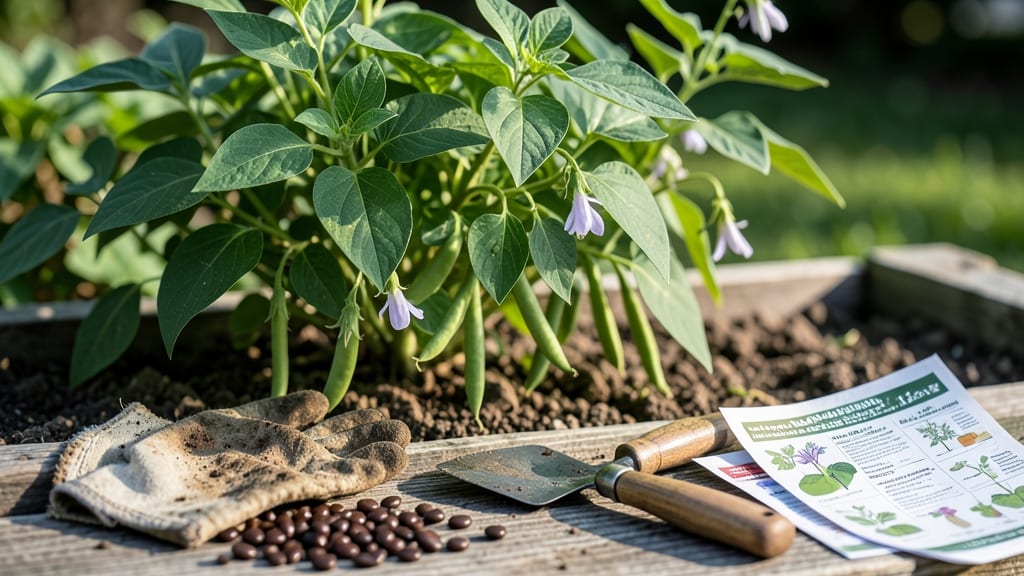
Timing your bean planting in Colorado wrong could mean the difference between a bumper crop of 🌱 fresh beans and a sad, frost-nipped failure. With elevation zones ranging from 3,000 to over 10,000 feet, your planting window shifts dramatically—sometimes by hundreds of days—depending on where you live.
Most gardeners in USDA zones 5-7 know the general rule: wait until after the last frost, but Colorado’s microclimates complicate things. Lower elevations like the Front Range might be ready by mid-April, while high-altitude spots in the mountains could still have snow in June.
That’s why knowing your exact zone—and when the soil finally warms to 60°F—isn’t just helpful, it’s essential.
Whether you’re growing bush beans for quick harvests or pole beans for a longer season, getting this right means avoiding stunted plants or late-season pests.
I’ll break down the precise planting windows for your elevation, plus pro tips for adjusting to Colorado’s unpredictable weather—so you can enjoy homegrown beans from July through October without the guesswork.
Ready to turn your garden into a bean bonanza? Let’s dive into the frost-free deadlines and soil secrets that’ll set you up for success, no matter where you’re planting in the Centennial State.
Colorado bean planting dates by elevation zone (with frost risk charts)
Colorado’s dramatic elevation changes—from the Front Range valleys to the Rocky Mountain peaks—create wildly different planting windows for beans. At 3,000 feet, you might plant in mid-April, while at 9,000 feet, you’ll wait until late June.
These timing differences aren’t just about frost risk; they also affect soil warmth and growing season length. Get it wrong, and your beans could bolt, rot, or never even sprout.
I’ve broken down the exact frost-free deadlines for Colorado’s three key elevation zones, plus the safe planting windows for both bush beans (compact, 2–3 ft tall) and pole beans (vining, 6–10 ft tall).
Use these charts to align your planting with your local microclimate—and avoid the heartbreak of a frost-nipped harvest.
For all zones, beans need soil temperatures above 60°F and 6–8 hours of sunlight daily. Test soil warmth with a soil thermometer—if it’s below 60°F, wait. At higher elevations, even fast-maturing varieties (like ‘Blue Lake’ or ‘Kentucky Wonder’) may struggle to mature before frost.
That’s why I’ve included fall planting windows too—your second chance to grow beans in Colorado’s shorter seasons.
If you’re gardening in Denver (5,280 ft) or Fort Collins (5,000 ft), aim for late May to early June for spring plantings. These dates give beans enough time to mature before the average first frost in October.
For Grand Junction (4,000 ft), you can push planting to early June—the hotter, drier climate speeds up growth. Meanwhile, in Aspen (7,800 ft), stick to short-season varieties and plant by June 15 at the latest.
For pole beans, which take longer to mature, I recommend starting seeds indoors 2–3 weeks before your zone’s outdoor planting window. Use biodegradable pots to avoid transplant shock. Bush beans, on the other hand, can be direct-sown once soil is warm.
Pro tip: Mix seeds with sand for easier spacing—beans hate competition, and overcrowding leads to blossom drop.
Don’t overlook fall planting, especially in lower elevations. Beans sown in late July can produce a second harvest before frost. Choose cold-tolerant varieties like ‘Black Turtle Soup’ or ‘Scarlet Runner’, which handle cooler nights better.
Just be ready to extend the season with row covers if temperatures dip below 50°F at night.
One final warning: Colorado’s alkaline soil (pH 7.5–8.5) can lock out nutrients. Before planting, amend
How to adjust planting for Colorado’s microclimates and soil conditions
Colorado’s alkaline soil and variable elevation zones create unique challenges for bean growers. At higher altitudes, cooler temperatures shorten growing seasons, while lower elevations face intense summer heat. I’ve learned that microclimate adjustments can extend your harvest window by weeks—here’s how to adapt.
First, test your soil pH—most Colorado gardens hover around 7.5–8.5, which is too alkaline for beans. Aim for 6.0–7.0 by amending with sulfur or peat moss before planting.
I’ve had the best success with fast-maturing varieties like ‘Blue Lake’ or ‘Kentucky Wonder’, which thrive in Colorado’s shorter growing seasons.
- 1. Use row covers to protect early plantings from late spring frosts (32°F can kill seedlings). I’ve extended my spring planting window by 2–3 weeks this way.
- 2. Plant in cold frames for high-altitude gardens (7,000+ ft). These create microclimates that warm soil faster, letting you plant 2–4 weeks earlier than outdoor beds.
- 3. Choose fast-maturing varieties (50–60 days to harvest). At 8,000 ft, my ‘Contender’ beans matured in 55 days—perfect for our 90-day growing season.
- 4. Mulch heavily with straw or wood chips to retain moisture and cool roots during summer heatwaves. Colorado’s dry air can dry out soil quickly—mulch keeps roots consistently moist.
- 5. Try a fall planting (late July) for a second harvest. Use heat-tolerant varieties like ‘Rattlesnake’ beans to survive September’s cooler nights while still producing pods.
Don’t overlook watering strategies—Colorado’s low humidity means beans need deep, infrequent watering (1–1.5 inches per week). I water mine early in the morning to prevent fungal diseases like rust, which thrives in our dry heat. Drip irrigation works best to keep foliage dry.
For high-altitude gardens, I’ve found that black plastic mulch raises soil temperatures by 5–10°F, helping beans germinate faster. Pair this with windbreaks (like corn stalks or burlap) to protect young plants from Mountain winds, which can stunt growth.
Even a 6-foot-tall barrier can make a difference in exposed areas.
Finally, monitor weather forecasts for sudden temperature drops. In June or September, a 28°F night can kill mature plants. If frost is predicted, cover beans with frost blankets or move potted plants to a sheltered spot.
With these adjustments, I’ve successfully grown beans at 9,000 ft—proof that Colorado’s challenges are manageable with the right tweaks!