
Plants
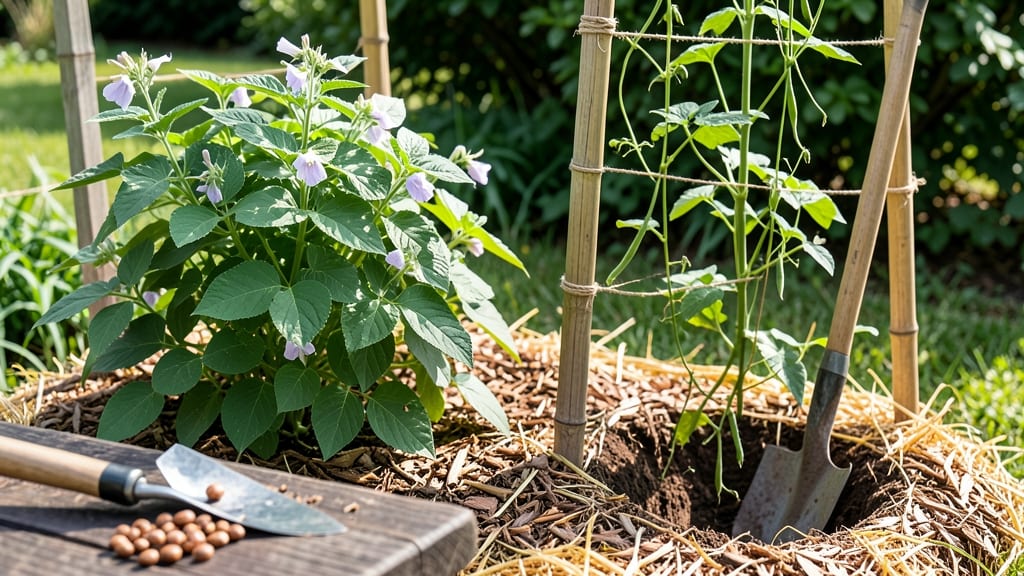
Planting beans in Kansas at the wrong time can leave you with sad, stunted plants instead of a bountiful harvest—especially when soil temperatures and frost dates throw off your timing.
I’ve learned the hard way that fast germination starts with knowing exactly when to drop those seeds. Whether you’re in USDA Zone 5b or 7a, the right window means the difference between thriving 🌱 and struggling plants.
Let’s break down the best times to plant for your specific Kansas region.
Most gardeners in Kansas wait until after the last frost—typically mid-April—but soil warmth is the real game-changer. Beans need temperatures above 60°F to sprout quickly, so timing matters more than you think.
In this guide, I’ll share the exact planting windows for spring and fall, plus tips to avoid common mistakes that kill germination. Ready to grow beans that actually thrive?
Kansas heat zones explained: best planting windows for bean germination
Kansas spans USDA hardiness zones 5b to 7a, creating distinct microclimates that drastically affect when you should plant bush vs. pole beans. The key? Soil temperatures must reach 55-65°F for reliable germination—any cooler, and your seeds may rot or fail to sprout.
Let’s break down the optimal planting windows by Kansas heat zone to maximize your harvest potential.
Northern Kansas (zones 5b-6a) typically has later last frost dates (mid-to-late May), while southern Kansas (zones 6b-7a) can start planting as early as mid-April. The difference in timing isn’t just days—it’s weeks that could mean the difference between a bountiful harvest and wasted seeds.
Understanding these zones helps you align planting with soil warmth, not just air temperature.
For bush beans, which mature faster (50-60 days), aim to plant when nighttime temps stay above 60°F. Pole beans, with their longer growing season (60-70 days), need the extra warmth of late spring to establish strong roots before summer’s heat sets in.
Both varieties thrive when planted after the soil hits 60°F, but pole beans benefit from a 2-week head start in warmer zones.
Here’s the critical comparison: Northern Kansas gardeners should wait until May 15-30 for direct sowing, while southern Kansas can start as early as April 15. The 10-15°F difference in soil warmth between these regions explains why timing is everything.
Even a 5-day delay in cooler zones can push germination into hotter, drier conditions, stressing young seedlings.
Why does soil temperature matter so much? Beans are sensitive to cold soils, which can cause seeds to rot before sprouting. A soil thermometer is your best tool—plant only when readings consistently hit 60°F+.
In northern Kansas, this often means waiting until late May, while southern Kansas can start as early as mid-April. The 1-month difference highlights why regional planning is non-negotiable.
For pole beans, which take longer to mature, prioritize warmer zones (6b-7a) where you can plant 2-3 weeks earlier than bush beans. These varieties need stronger stems to support their height, so soil warmth accelerates early growth.
In central Kansas, mix both types: plant bush beans first (late April) for a quick harvest, then pole beans (mid-May) for a prolonged yield.
Pro tip: Use black plastic mulch to warm soil faster in cooler zones. This can shave 1-2 weeks off your planting timeline by raising soil temps by 5-10°F. Just remember to remove it after harvest to avoid soil compaction.
For drought-prone western Kansas, choose drought-tolerant varieties like 'Provider' and plant in raised beds to retain moisture.
Don’t forget about fall planting! In southern Kansas (zones 6b-7a), you can sow a second crop in late July for a September-October harvest, provided you plant 6-
Step-by-step guide to planting beans in Kansas by month
Planting beans in Kansas requires careful timing to avoid frost damage while maximizing soil warmth for quick germination. Western Kansas (USDA Zone 6b-7a) typically warms faster than eastern Kansas (Zone 5b-6a), so adjust your schedule accordingly.
I’ve broken down the best months for planting, including succession planting tips to extend your harvest.
For all regions, wait until soil temperatures reach at least 60°F—use a soil thermometer to check. In western Kansas, this often means starting in mid-April, while eastern Kansas may need to wait until late April or early May.
Always plant after your last frost date, which varies from April 15 in southern Kansas to May 1 in northern areas.
April (Western Kansas Only)
Plant bush beans in western Kansas (Zone 7a) after April 15 if soil is warm. Use row covers to protect from late frosts. Avoid planting in eastern Kansas—soil is too cold for germination.
Late April to Early May (Eastern Kansas)
Start pole beans and bush beans in eastern Kansas after May 1. Soil should be 60°F+. Plant seeds 1-2 inches deep, 2-3 inches apart, with rows 18-24 inches apart.
May to Early June (Succession Planting)
For a continuous harvest, plant new rows every 2 weeks through early June. This works for both western and eastern Kansas. Choose heat-tolerant varieties like 'Blue Lake' or 'Kentucky Wonder' for summer planting.
Late July (Fall Planting)
Try a fall crop in western Kansas by planting late July. Aim for seeds to germinate before September 15 to mature before first frost. Eastern Kansas may only get one small fall crop if planted by August 1.
In western Kansas, where summers are hotter, focus on early spring and fall plantings to avoid heat stress. Eastern Kansas gardeners should prioritize May-June plantings and use mulch to retain moisture during dry spells. Always monitor weather forecasts—a sudden cold snap can delay planting by weeks.
After planting, keep soil consistently moist but not soggy. Beans need 1 inch of water per week, delivered in the morning to prevent fungal diseases. Thin seedlings to 3-4 inches apart once they’re 2 inches tall to ensure proper airflow and reduce competition.
For pole beans, install trellises or stakes at planting time to save time later. In western Kansas, where winds are stronger, secure trellises with stakes or ties.
Harvest begins in 60-70 days, depending on the variety, so plan your planting schedule to stagger ripening for a longer harvest window.