
Plants
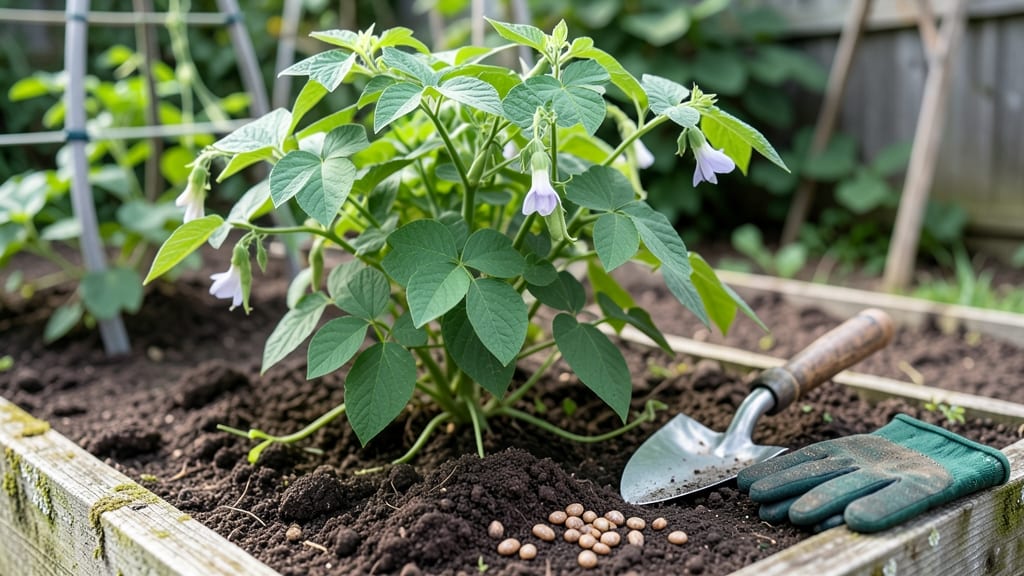
Planting beans in Utah at the wrong time can turn your garden dreams into a sad, shriveled disappointment—especially when frost sneaks in like a thief.
The key to a thriving harvest lies in understanding your county’s heat zone, because what works in Salt Lake City won’t cut it in St. George.
I’ve learned the hard way that Utah’s 5b-7b zones demand precision. Miss the mid-April to early June window, and you risk stunted plants or worse—frost damage before they even flower.
But here’s the good news: with the right timing and variety, you can enjoy fresh 🌱 beans from July through October.
Whether you’re a first-time gardener or a seasoned pro, this guide breaks down the exact frost-free deadlines by region—plus the best varieties for Utah’s dry climate. No more guesswork, just a guaranteed harvest.
Let’s get those seeds in the ground at the perfect moment so you can enjoy homegrown beans all season long.
Utah’s frost-free dates by county: the best time to plant beans
Beans are a nutrient-packed staple in Utah gardens, but their success hinges on planting at the perfect frost-free window. Utah’s climate varies drastically—from USDA Zone 4 in northern mountains to Zone 7b in southern deserts—so timing matters.
Plant too early, and frost will kill tender seedlings; wait too long, and heat stress reduces yields. Let’s break down the optimal planting windows by county to ensure your beans thrive.
Most Utah counties experience their last spring frost between mid-April and early May, but exact dates shift based on elevation and microclimates. For example, Salt Lake County typically sees its last frost around April 20, while Washington County (St. George) warms up by March 15.
Understanding these windows helps you choose between pole beans (longer growing season) and bush beans (faster maturity).
Here’s a county-by-county guide to Utah’s frost-free dates, including ideal planting windows for both spring and fall crops. Use this to align your planting schedule with local conditions and maximize your harvest.
| County | USDA Zone | Last Frost | First Frost | Spring Planting Window | Fall Planting Window |
|---|---|---|---|---|---|
| Salt Lake | 6a-6b | April 20 | October 10 | May 1 - June 1 | August 1 - August 15 |
| Utah | 6a-6b | April 15 | October 5 | April 30 - May 15 | July 30 - August 10 |
| Cache | 6a-6b | April 25 | October 15 | May 1 - May 15 | August 1 - August 20 |
| Washington | 7a-7b | March 15 | November 15 | March 20 - April 15 | September 1 - September 15 |
| Davis | 6b-7a | April 10 | October 20 | April 20 - May 10 | August 10 - August 25 |
| Box Elder | 5b-6a | May 5 | September 25 | May 15 - June 1 | July 15 - July 30 |
For northern Utah counties like Box Elder or Cache, where frosts linger into May, opt for cold-tolerant varieties like Blue Lake or Kentucky Wonder. These can handle cooler soils and still produce a reliable harvest even with a later start
How to adjust planting time for Utah’s microclimates and soil conditions
Utah’s microclimates create unique challenges for gardeners. While Salt Lake City might have a last frost in mid-April, St. George’s desert heat arrives weeks earlier. Even within the same county, elevation shifts of just 1,000 feet can delay planting by 2-3 weeks.
Understanding these variations helps you avoid frost damage or heat stress in your beans.
Soil conditions play an equally critical role. Utah’s alkaline soils (pH 7.5–8.5) and poor drainage in low-lying areas can stunt bean growth if not amended. I’ve learned the hard way—my first attempt with unamended soil left plants struggling despite perfect timing.
The key is testing your soil and adjusting planting schedules based on both temperature and drainage.
Don’t rely solely on average frost dates.
Utah’s late-May cold snaps (like the 2021 event that dropped temps to 28°F in Cache County) can kill young bean seedlings. Wait until soil temps consistently reach 60°F—use a soil thermometer—and consider row covers for 2-3 weeks post-planting if your area has a history of late frosts.
Pro Tip: Plant bush beans (faster maturing) 1-2 weeks earlier than pole beans to hedge against delays.
For high-elevation areas (USDA Zone 5b), like Park City or Ogden Valley, aim for late May to early June planting. These regions often experience shorter growing seasons, so choose early-maturing varieties like Blue Lake (58 days) over slower growers.
In contrast, low-desert zones (Zone 7b+) such as St. George or Washington County can start as early as mid-March for spring beans.
Soil preparation is just as critical as timing. Utah’s clay-heavy soils compact easily, restricting root growth. I mix in 2–3 inches of compost and coarse sand (for drainage) before planting. For sandy soils (common in Cache or Box Elder Counties), add organic matter like aged manure to retain moisture.
Always plant on raised beds or mounds if your soil drains poorly—beans hate soggy roots.
Adjust your fall planting schedule based on your county’s first frost date. In northern Utah, aim for late July to early August to ensure a harvest before frost.
In southern Utah, you might extend planting until mid-August. For both, choose short-season varieties (like Contender or Provider) to guarantee maturity before October’s early frosts.
Finally, monitor local weather patterns beyond averages. I track NOAA’s Utah climate maps and adjust my schedule yearly. For example, if your area had a dry spring, delay planting until soil moisture improves—beans need consistent water to set pods.
With these adjustments, you’ll turn Utah’s challenging climate into your bean-growing advantage. 🌱