
Plants
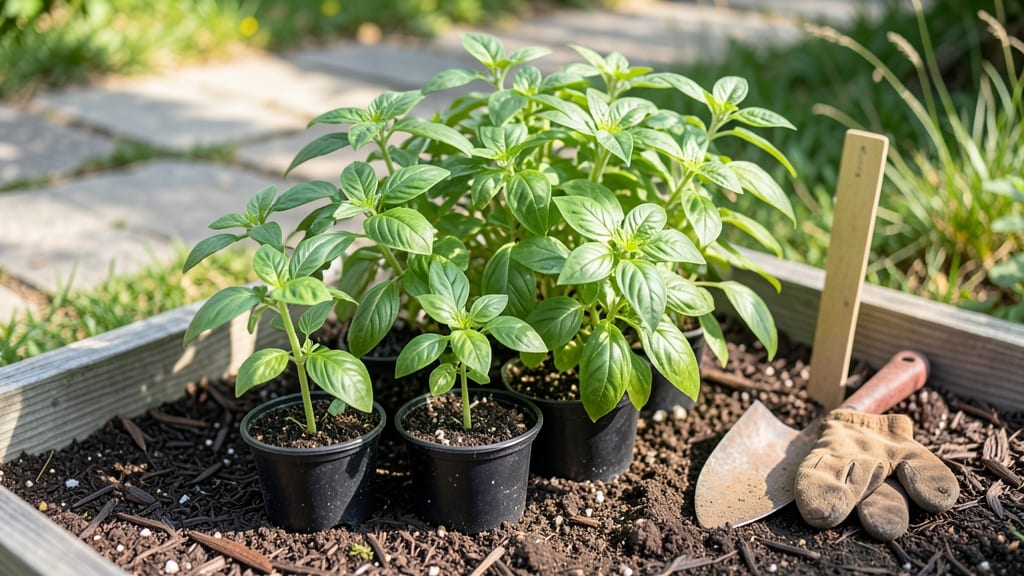
Planting basil in Ohio at the wrong time can mean bitter-tasting leaves or bolting flowers before you even get to harvest. The key to sweet, flavorful basil 🌿 lies in timing it perfectly—after the last frost when soil temperatures hit that sweet spot of 50°F or warmer.
Ohio’s 6a climate and regional microclimates mean your neighbors might be harvesting basil while yours is still struggling. Northern Ohio’s cooler springs delay planting by weeks compared to southern Ohio’s warmer pockets.
I’ll break down the exact weeks to plant for each zone so you can avoid the common mistakes that ruin basil batches.
Whether you’re starting seeds indoors in March or sowing directly in April-May, knowing when to plant makes all the difference. We’ll cover soil prep, frost risks, and how to extend your harvest window—so you can enjoy fresh basil from June through September without the stress.
Ready to grow basil that tastes like summer? Let’s dive into the planting schedule that’ll keep your plants thriving and your kitchen stocked with flavor all season long.
Ohio’s ideal basil planting weeks by microclimate zone (avoid bolting)
Ohio’s five distinct microclimate zones can shift your basil planting window by up to 3 weeks. Planting too early risks frost damage or premature bolting, while waiting too long cuts your harvest season short.
The key? Aligning with last-frost dates and soil temperatures—both vary wildly across the state.
For example, Northeast Ohio’s colder pockets (like Cleveland) may see frost until May 10, while Southwest Ohio (near Cincinnati) often hits 50°F soil temps by mid-April.
Even within cities, urban heat islands can create 2-4°F warmer microclimates perfect for early basil starts. Let’s break down the optimal planting weeks for each zone.
Pro Tip: Use a soil thermometer—basil roots need at least 50°F soil to thrive. Cold soil triggers bolting (flowering) and bitter flavors. If your zone’s average last frost is April 15 but soil stays chilly, wait until May 1 for safer planting.
| Zone | Avg Last Frost | Soil Temp Trigger | Ideal Planting Window | Risk Level |
|---|---|---|---|---|
| Northwest (Toledo, Findlay) | April 25 | 50°F (May 5) | May 10–20 | High (late frosts) |
| Northeast (Cleveland, Akron) | May 10 | 50°F (May 12) | May 15–25 | Medium (frost pockets) |
| Central (Columbus, Dayton) | April 15 | 50°F (April 25) | April 25–May 10 | Low (stable temps) |
| Southeast (Athens, Circleville) | April 5 | 50°F (April 15) | April 10–20 | Very Low (early warm-up) |
| Southwest (Cincinnati, Dayton suburbs) | April 1 | 50°F (April 10) | March 25–April 15 | Low (urban heat advantage) |
*Data sourced from Ohio State University Extension (2023) and NOAA frost records.
Notice how Southwest Ohio can start 4 weeks earlier than Northeast Ohio? That’s why urban gardeners in Cincinnati often harvest basil by June 15, while Akron gardeners may not see their first harvest until July 1.
To bridge this gap, Central Ohio gardeners can use row covers or cold frames to plant basil 2 weeks early—just remove them after the last frost.
If you’re in a high-risk zone (like Northwest Ohio), consider starting basil indoors under grow lights 6–8 weeks before your target planting date. Transplant seedlings when they’re 4–6 inches tall and soil hits 50°F.
This gives you a 2-week head start on the season and longer harvest windows before fall frosts hit.
Soil temperature matters more than air temperature. A 50°F soil triggers root growth, while 60°F+ speeds up leaf production. Use a digital soil thermometer ($15 at garden centers) to check depths of 2–3 inches. If your soil runs 10°F cooler than the air (common in shaded spots), wait 1–2 weeks longer to plant.
For container gardening, soil warms faster than in-ground beds. Place pots on black plastic mulch or dark-colored containers to absorb heat. In
How to extend basil’s growing season in Ohio (cold frames, succession planting)
Ohio’s early fall frosts don’t have to mean the end of your basil harvest. With the right strategies, you can push your harvest window 4-6 weeks later while keeping your plants healthy and flavorful.
The key lies in combining cold frames, succession planting, and smart companion planting to outsmart Ohio’s unpredictable weather patterns.
Cold frames create a microclimate that can protect your basil from light frosts (down to 28°F) while still allowing sunlight to penetrate. This simple setup can extend your growing season well into October or even November in sheltered areas.
Pair this with succession planting every 2-3 weeks to ensure a continuous supply of fresh leaves.
⚠️ Critical Tip: Ohio’s first frost typically arrives around October 15, but urban heat islands can delay this by 1-2 weeks. Use this to your advantage by planting heat-tolerant varieties like Genovese or Sweet Basil in these warmer microclimates.
Use a low-profile cold frame (12-18 inches tall) with clear plastic or glass. Place it in a south-facing location for maximum sunlight exposure.
Sow seeds every 2-3 weeks from June 15 to July 31. This ensures a staggered harvest and prevents bolting from heat stress.
Plant basil with tomatoes to improve flavor and deter pests. Avoid planting near rue or fennel, which stunt basil’s growth.
Cover plants with frost cloth when temperatures drop below 32°F. Remove during the day to allow sunlight.
Harvest leaves in the morning for peak flavor. Pinch back 1/3 of the plant every 2 weeks to encourage bushier growth.
For container gardening, use black plastic pots (they absorb heat) and place them on brick or concrete to regulate soil temperature. This method works especially well in urban gardens where microclimates can be warmer than rural areas.
Don’t forget to monitor your basil for signs of stress, like yellowing leaves or stunted growth. These can indicate overwatering, nutrient deficiency, or pest pressure. Adjust your care routine accordingly to keep your plants thriving until the first hard frost.
With these strategies, you’ll enjoy fresh basil leaves well into fall, giving you time to dry or freeze extras for winter use. Your taste buds—and your dinner guests—will thank you!