
Plants
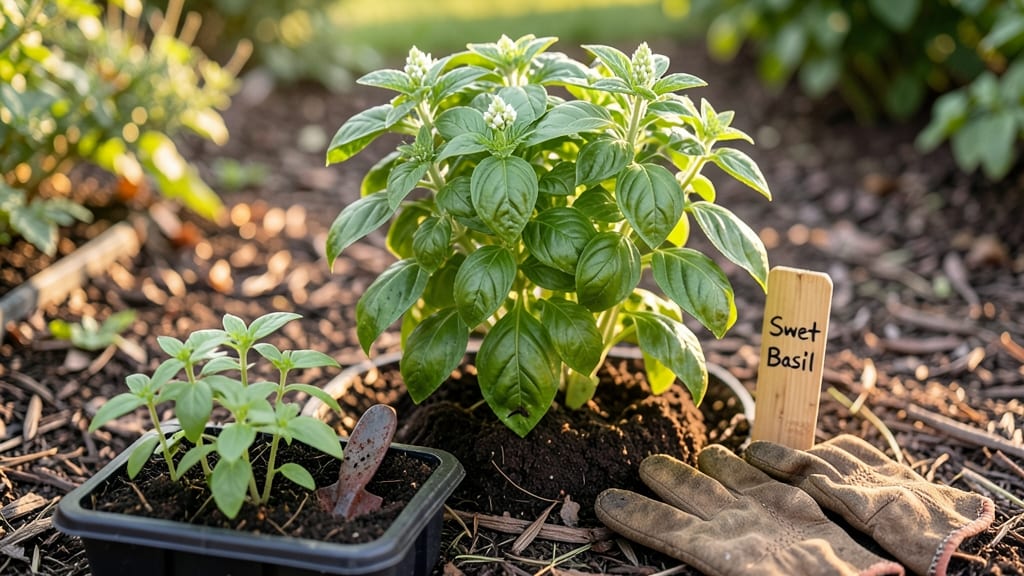
Planting basil in Virginia at the wrong time can mean the difference between a thriving 🌿 herb garden and a sad, frost-nipped disappointment—so knowing the perfect window is everything.
Most gardeners in USDA Zones 7a-8a wait until after the last frost (typically mid-April to early May) to plant basil directly in the ground.
But here's the catch: if you're eager to start earlier, you can kick off seedlings indoors as soon as February—just be ready to transplant them outdoors once the soil warms up.
Why does timing matter so much? Basil is a tender plant that bolts (or goes to seed) when temperatures dip below 50°F at night. In Virginia, where frost can linger until April, getting this right means more flavorful leaves from June through October.
I'll walk you through the exact dates, soil temperature tips, and even how to stretch your growing season so you can enjoy fresh basil all summer long—no frost-related heartbreak included.
Virginia’s USDA Zones & ideal basil planting dates by month
Virginia’s USDA Zones 5b-8a create a diverse climate where basil thrives—if you plant at the right time. The key is avoiding late spring frosts (which can hit as late as April 15 in Zone 5) while maximizing the 180-220 frost-free days Virginia offers.
Urban areas like Richmond and Arlington often warm up faster than rural Appalachian foothills, so adjust your timing accordingly.
For direct sowing, wait until soil temperatures hit 50°F (10°C) and nighttime temps stay above 50°F. This typically aligns with mid-April to early May in most zones, but Zone 5b gardeners should push to late May for safety.
Starting seeds indoors 6-8 weeks before last frost (around February-March) gives you an earlier harvest and flexibility to transplant after frost danger passes.
Microclimates matter: Coastal areas like Virginia Beach (Zone 8a) can plant 2-3 weeks earlier than inland Roanoke (Zone 7a). Urban heat islands in Alexandria may also allow slightly earlier planting. Always check your local Almanac frost dates and monitor soil temperatures with a thermometer for precision.
Here’s your zone-by-zone planting schedule, including ideal transplant dates and harvest windows to plan ahead:
| USDA Zone | Last Frost Date | Ideal Transplant Window | Direct Sow Window | First Harvest | Notes |
|---|---|---|---|---|---|
| 5b (e.g., Roanoke) | April 15 | May 15–June 1 | June 1–15 | July 15 | Use row covers; shorter season |
| 6a (e.g., Lynchburg) | April 1 | April 20–May 10 | May 1–15 | June 20 | Start indoors Feb 15–March 1 |
| 6b (e.g., Charlottesville) | March 25 | April 10–May 1 | April 20–May 10 | June 10 | Longer harvest window |
| 7a (e.g., Richmond) | March 15 | March 25–April 15 | April 10–20 | May 20 | Urban areas can plant earlier |
| 7b (e.g., Norfolk) | March 1 | March 15–April 5 | March 20–April 10 | May 10 | Coastal areas benefit from milder winters |
| 8a (e.g., Virginia Beach) | February 15 | February 28–March 15 | March 1–15 | April 20 | Longest growing season; double harvests possible |