
Plants
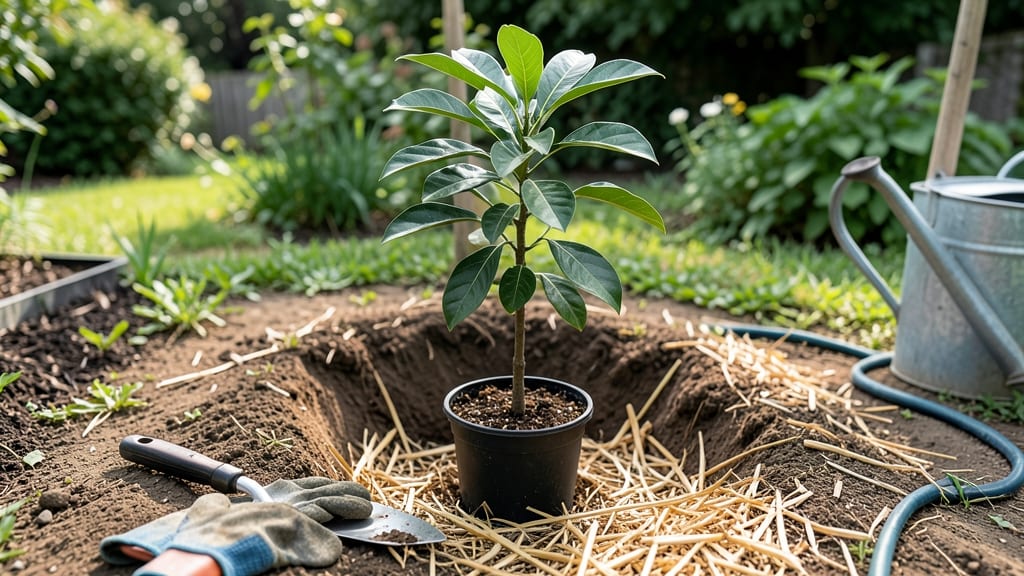
To plant an avocado tree in the ground at the perfect time means the difference between a lush, fruit-bearing giant and a sad, frost-zapped sapling—so let’s get the timing right from the start.
Most gardeners in USDA Zone 6 or colder wait until spring, after the last frost date, when soil temperatures hit 60°F—but your exact deadline depends on whether you’re in frost-prone inland areas or milder coastal zones.
In warmer climates like Zone 10b, you can plant year-round, but even there, fall offers cooler soils that reduce transplant shock. The key is avoiding heatwaves or frost, both of which stress young roots.
I’ll break down the exact frost-free windows by zone, plus how to prep your soil and spot when your tree is truly ready to thrive—not just survive. Let’s dig in.
USDA Zone planting deadlines for avocado trees by region
Avocado trees (Persea americana) thrive in warm climates but struggle with frost, making planting timing critical for survival. In USDA Zones 9-11, you can plant year-round, but Zones 6-8 require precise timing to avoid frost damage.
Coastal areas often have 2-4 weeks longer frost-free windows than inland zones, so always check your local last frost date.
For risk-averse gardeners, I recommend waiting until soil temperatures consistently stay above 60°F (15°C)—this typically aligns with late spring in most regions. In Zone 10+, plant during the cooler months (November-February) to reduce heat stress on young roots.
Always adjust for microclimates, like urban heat islands or high-altitude areas, which can shift your ideal window by 2-3 weeks.
⚠️ Critical Note: Avocado trees planted too early in cold zones may not establish roots before winter, leading to transplant shock or death. Use mulch (3-4 inches) to insulate roots if planting in Zone 8-9 during late fall.
In Zone 6-7, I’ve seen gardeners successfully plant avocado trees in containers and move them indoors during winter, but in-ground planting requires extra protection like burlap wraps or greenhouse covers for the first 2 winters.
For Zone 8-9, fall planting (September-October) gives roots time to establish before winter chills, while spring planting (March-April) avoids summer drought stress.
If you’re in a transition zone (e.g., Zone 8a with late frosts), consider delaying planting until after Memorial Day (late May) to ensure root establishment. Use a soil thermometer to confirm consistent warmth—avocado roots won’t grow in cold soil, even if air
How to adjust planting time for microclimates and soil conditions
Your avocado tree won’t thrive if you ignore local microclimates or soil conditions. Urban heat islands can bake roots, while high-altitude zones delay warmth, and clay soils hold too much moisture. Even container-grown trees need special timing when transitioning to ground. Let’s fine-tune your planting schedule for success.
Start by checking your local frost-free dates, but adjust for urban heat islands—cities can be 10°F warmer than rural areas. If you’re in Zone 7 or higher, plant 2-3 weeks earlier in urban areas.
For high-altitude gardens (e.g., Denver at 5,280 ft), delay planting until soil temps hit 65°F—often 2-4 weeks later than valley floors.
- Urban Heat Islands: Plant 2-3 weeks earlier than rural areas—soil warms faster from pavement/building heat.
- High-Altitude Zones: Wait until soil temps reach 65°F (use a soil thermometer)—often late May/June in mountain regions.
- Sandy Soils: Plant 1-2 weeks earlier—dries out faster, so roots establish quicker before summer heat.
- Clay Soils: Delay until spring rains subside—planting too early causes root rot from poor drainage.
- Container-to-Ground: Transition after 2 years in pots—wait until roots fill the container and soil temps are stable.
For sandy soils, avocado roots dry out quickly, so plant 1-2 weeks earlier than the standard window. Amend the soil with compost or coconut coir to retain moisture. In contrast, clay soils require patience—plant after spring rains taper off to avoid waterlogged roots.
A simple percolation test (pouring water and timing drainage) will tell you if your soil is ready.
If your avocado tree has spent time in containers, transition it to ground planting only after it’s been in its pot for 2 years. Container roots are shallow and brittle—planting too soon risks transplant shock.
Harden off the tree by placing it outside for gradual exposure (2-3 hours daily) for 2 weeks before planting in-ground.
Don’t overlook wind exposure—trees planted in exposed areas may need staking or windbreaks until roots establish. In coastal zones, where humidity is high, plant 1-2 weeks later to avoid fungal diseases like root rot.
Always choose a location with 6+ hours of sunlight, but avoid reflective surfaces (like glass or pavement) that can scorch leaves.
Finally, monitor soil moisture closely after planting. Mulch with wood chips (3-4 inches deep) to regulate temperature and retain moisture. In drought-prone areas, consider drip irrigation to deliver water directly to roots without wetting foliage—critical for preventing fungal issues.