
Plants
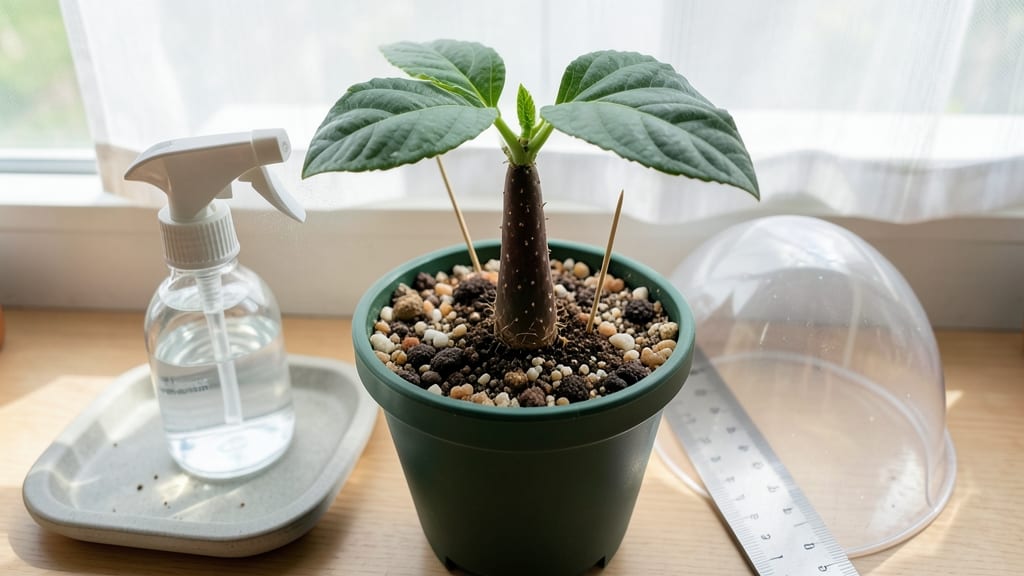
Planting an avocado seed in soil at the wrong time can mean the difference between a thriving 🥑 Avocado Tree and a sad, wilted failure.
Most people rush to stick it in the ground without realizing that soil temperature, moisture, and even your local climate play a huge role in whether those roots will take hold.
If you're in Zone 6 (or similar cool regions), timing matters even more—spring is your golden window. Planting after the last frost (around mid-April in most areas) gives your seed the warmth it needs to germinate without the risk of freezing.
But here's the kicker: even if you're eager, don't skip the prep work.
Before you bury that seed, you'll want to sprout it first in water (yes, really!). This gives you a head start on growth and ensures the seed is ready to handle soil conditions.
Once sprouted, the right soil mix and container can make or break your success—think well-draining, slightly acidic, and never soggy.
I’ll walk you through the exact steps to time your planting for 90% germination success, from indoor sprouting to outdoor transplanting, so you don’t waste months (or your seed) on guesswork. Let’s get those roots growing the right way.
Best time of year to plant avocado seeds in soil for maximum germination
Timing your avocado seed planting correctly is the secret to 90% germination success. Unlike mature trees, seeds need warmth, humidity, and consistent moisture to break dormancy. Planting at the wrong time—like during cool winter months—can stall growth or even kill your seed before it sprouts.
Most gardeners start with indoor pre-sprouting (6-8 weeks in water) before transplanting to soil. This method works best when you plan to move seedlings outdoors in spring, after your last frost date. For USDA Zone 6, that’s typically mid-April, but adjust based on your local climate.
| Season | Ideal Planting Window | Soil Temp Range (°F) | Germination Time | Notes |
|---|---|---|---|---|
| Spring | March–May (after last frost) | 70–85°F | 4–8 weeks | Best for outdoor transplanting |
| Fall | September–October (warm zones only) | 75–80°F | 6–10 weeks | Risk of frost damage; indoor preferred |
| Summer | June–August (indoor only) | 70–75°F (consistent) | 3–6 weeks | Avoid direct outdoor heat; use shade |
| Winter | Not recommended (dormancy risk) | Below 65°F | N/A | Seeds may rot; wait for spring |
For indoor growing, you can plant avocado seeds year-round, but spring and summer offer the fastest germination. Place your container near a south-facing window or under grow lights to mimic ideal conditions.
If you’re in Zone 10 or warmer, fall planting works well—just ensure soil stays above 70°F.
Outdoor planting requires warmer soil temperatures. Use a soil thermometer to confirm 65°F+ before transplanting. In cooler climates (Zones 7–9), wait until late spring to avoid frost. Mulching with straw helps retain heat and moisture for young seedlings.
Pro tip: If your seed hasn’t sprouted after 8 weeks, it may need a warmth boost. Place the pot on a seedling heat mat (75–80°F) to encourage root development. Avoid cold drafts or direct sunlight until the seedling is established.
Climate zones play a huge role. In Zone 5 or colder, stick to indoor growing until summer. For Zones 8–10, you can plant outdoors year-round, but spring and fall still offer the best balance of warmth and rainfall for young roots.
Once your seedling reaches 6 inches tall, it’s ready for outdoor acclimation. Harden it off by placing it outside for 2–3 hours daily, gradually increasing exposure. This prepares it for permanent outdoor planting in late spring or early summer.
Remember: Patience is key. Avocado seeds can take 2–3 months to germinate, and the first leaves may look strange (they’re not true leaves!). Focus on consistent moisture and bright, indirect light during this critical phase.
🌱 For maximum success, start indoors in spring, transplant outdoors after frost, and keep soil warm and moist—your avocado seedling will thank you with vigorous growth in no time!
Step-by-step soil preparation guide: how to create the perfect avocado seed growing medium
Avocado seeds thrive in a lightweight, well-draining mix that mimics their natural tropical habitat. The wrong soil can cause root rot or stunted growth, so choosing the right blend is critical.
Most gardeners struggle with balancing moisture and aeration—your goal is to replicate the sandy-loam soil of avocado groves while preventing waterlogging.
Start by avoiding heavy garden soil or pure peat, which holds too much moisture. Instead, opt for a 50/50 mix of cactus/succulent soil and perlite or pumice.
This combination ensures fast drainage while retaining enough moisture for young roots. For indoor setups, add 10% coconut coir to boost humidity retention around the seed.
| Soil Mix Type | Drainage Rating | Best For | Container Size |
|---|---|---|---|
| Cactus/Succulent + Perlite (50/50) | Excellent (9/10) | Indoor seedlings, small pots | 4-6 inch diameter |
| Peat Moss + Sand (60/40) + Worm Castings | Good (7/10) | Outdoor transplanting, larger pots | 8+ inch diameter |
| Coconut Coir + Orchid Bark (70/30) | Very Good (8/10) | Humid climates, greenhouse setups | 5-7 inch diameter |
Container size matters just as much as the soil mix. A small pot (4-6 inches) is ideal for germinating seeds because it forces roots to grow densely, creating a sturdy seedling. Use a pot with drainage holes—water should flow freely within 10-15 minutes of watering.
For larger containers (8+ inches), add a 2-inch layer of gravel at the bottom to prevent water pooling.
Sterilize your soil mix by baking it in the oven at 200°F (93°C) for 30 minutes to kill fungi and bacteria. This step is non-negotiable if you’re reusing soil or working in humid conditions.
After cooling, moisten the mix until it’s damp but not soggy—think of a wrung-out sponge. Overly wet soil suffocates seeds, while dry soil prevents root establishment.
Place a 1-inch layer of sphagnum moss on top of your soil mix before planting. This creates a humid microclimate that mimics tropical conditions, encouraging faster germination. Keep the moss consistently moist (not dripping) by misting it daily with room-temperature water.
Avoid tap water—use filtered or distilled water to prevent chemical buildup that can harm delicate roots.
Once your seedling reaches 6 inches tall, transplant it into a larger container (10+ inches) with fresh soil. At this stage, switch to a sandier mix (70% cactus soil, 30% perlite) to prevent compacted roots.
Remember, avocado trees hate root-bound conditions, so plan to repot every 12-18 months during spring. This gradual adjustment reduces transplant shock and promotes vigorous growth.