
Companion Plants
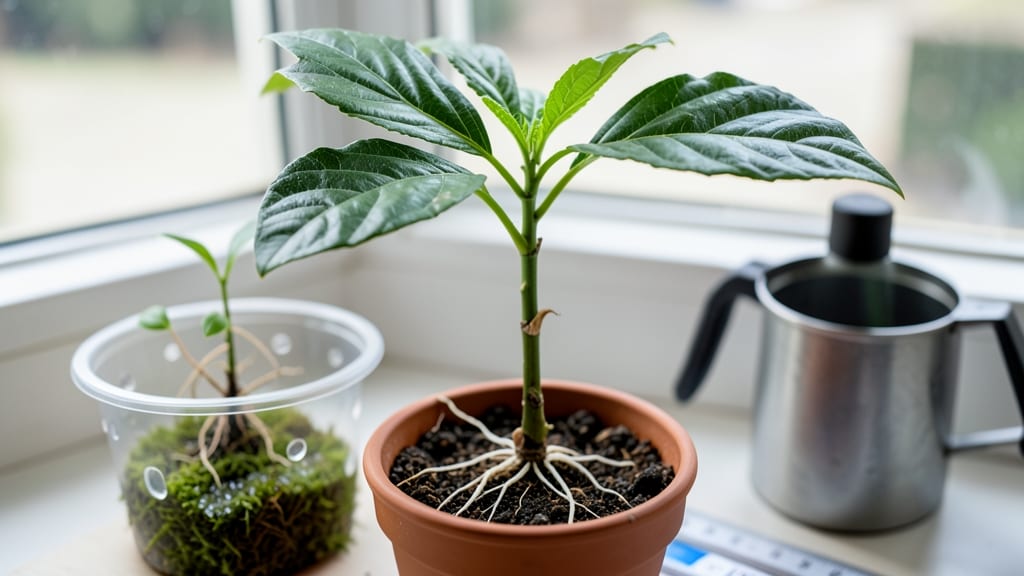
When do I plant my avocado seed in dirt? Timing it wrong could mean weeks of waiting—or worse, watching it rot before it even sprouts. The key to fast, healthy growth starts with knowing exactly when to plant, whether you're starting indoors or outdoors in your zone.
Most gardeners rush to stick that seed in soil as soon as they crack it open, but patience here pays off. Germinating your seed first in water (about 4-8 weeks) gives those delicate roots a fighting chance before meeting dirt. That’s the secret to avoiding moldy disappointment.
Once your seedling has 2-3 inch roots and a tiny sprout peeking out, you’re ready to transplant—ideally in spring (March-April) after the last frost. But here’s the catch: if you live in zone 6a or cooler, wait until soil warms to at least 60°F to avoid shocking those tender roots.
I’ll walk you through the exact steps to time your planting for faster sprouting, plus how to spot the signs your seedling’s ready for dirt—no guesswork. Let’s get those avocado dreams growing the right way.
Optimal germination timeline for avocado seeds before planting in dirt
Successfully growing an avocado tree from a seed starts long before you plant it in soil. The germination phase is critical—this is when your seed develops the root system and sprout needed to survive transplanting.
Most avocado seeds take 4 to 8 weeks to reach the ideal stage for soil, but rushing this process can lead to weak seedlings or failure. Understanding the week-by-week progression ensures you don’t miss the perfect moment to move your seedling outdoors.
First, you’ll need to prepare your avocado seed by removing the pit and suspending it over water with toothpicks or a damp paper towel. Keep the bottom third submerged while the top remains dry to prevent rot.
Within 1 to 2 weeks, you’ll notice the first signs of life—a small white root emerging from the bottom. This is your cue that the seed is actively germinating, but it’s not yet ready for soil.
During weeks 2 to 4, focus on maintaining consistent moisture and monitoring root growth. The root should extend to about 1 to 2 inches before you consider transplanting. If the root grows too long (over 3 inches), it may become brittle and break during transfer.
At this stage, you might also see the first tiny leaves sprouting from the top of the seed—this is a great sign, but don’t rush to plant yet. The seedling needs more time to strengthen.
Here’s your step-by-step guide to tracking progress and knowing exactly when to plant your avocado seed in dirt:
-
1
Week 1-2: Initial Root Sprout
Root emerges (1/4 to 1/2 inch). Keep water level constant. -
2
Week 3-4: Root Growth (1-2 inches)
Root reaches 1-2 inches; prepare small pot with well-draining soil. -
3
Week 5-6: First Leaves Appear
Seedling develops 1-2 true leaves; roots should be sturdy. -
4
Week 6-8: Ready for Soil (2-3 inch roots)
Transplant when roots are 2-3 inches and leaves are vibrant green.
By week 6 to 8, your avocado seedling should have a healthy root system of at least 2 to 3 inches and true leaves (not just the initial sprout). These are the key indicators that your seedling is ready for its first taste of soil.
The roots should look white and firm, not mushy or brown, which would signal rot. If the leaves are a bright green and the seedling stands upright, it’s time to prepare a small pot with well-draining soil and a drainage hole.
When transplanting, bury the seedling up to its first set of leaves to encourage stability and root growth. Avoid compacting the soil around the roots, as this can restrict oxygen flow.
After planting, place the pot in a bright, indirect light spot for the first week to help the seedling adjust. Gradually introduce it to direct sunlight over the next 7 to 10 days to prevent shock.
One common mistake is waiting too long to transplant, which can lead to overgrown roots that become tangled and difficult to manage. On the other hand, planting too early—when roots are under 1 inch—can result in a fragile seedling that struggles to adapt.
Aim for the 2 to 3 inch root mark as your target, and you’ll give your avocado tree the best possible start in life.
If you’re growing your avocado seed indoors, you can extend the germination timeline slightly, but avoid letting the roots exceed 4 inches before transplanting. Long roots are more prone to breaking during transfer, so it’s better to plant earlier than later.
Once your seedling is in soil, it will continue to grow rapidly, especially with the right balance of sunlight, water, and nutrients.
Remember, every avocado seed is unique, and some may germinate faster or slower than others. If you notice yellowing leaves or stunted growth after transplanting, it could be a sign of transplant shock or nutrient deficiency.
In this case, give the seedling a few extra days to acclimate and consider adding a balanced fertilizer once it shows signs of recovery.
With patience and attention to these germination milestones, you’ll be well on your way to nurturing a thriving avocado tree. The key is to stay consistent with moisture, monitor root growth closely, and act at the right moment—when your seedling is strong enough to handle the transition to soil.
Soon, you’ll be watching those first true leaves flourish into a full-grown tree! 🌱
Best months to transplant avocado seedlings into soil by climate zone
Timing your avocado seedling transplant is critical—soil temperature and frost risk make all the difference. In USDA zones 6-11, the ideal window depends on whether you're in a temperate or tropical climate.
For zones 6-9, aim for after the last frost (typically April-May), while zones 10-11 can plant year-round with 60°F+ soil.
Container-grown seedlings adapt better to transplant shock than in-ground plants, so they can handle slightly earlier moves. However, ground planting requires warmer soil (60°F+) to prevent root rot. Use a soil thermometer to check—cold soil delays growth and invites fungal issues.
🌱 Key Rule: Never transplant when night temps drop below 50°F. Avocado seedlings are tropical and hate frost. If you’re in zone 6, wait until mid-May or use a greenhouse or container to extend the season.
For container planting, you can transplant earlier because pots insulate roots. However, ground planting demands patience—cold soil kills roots. Amend your soil with sand or perlite to improve drainage, especially in clay-heavy zones. Mulch with straw or wood chips to keep roots warm and moist.
Watch for new leaf growth after transplanting—this signals success. If leaves yellow or wilt, it’s often due to transplant shock or overwatering. Reduce watering slightly until the seedling stabilizes (7-10 days). In dry climates, use drip irrigation to avoid stress.
Pro tip: Harden off seedlings for 7-10 days before transplanting by moving them outdoors gradually. Start with 2 hours of sun, then increase daily. This reduces shock and boosts survival rates by 30%. 🌿