
Trees
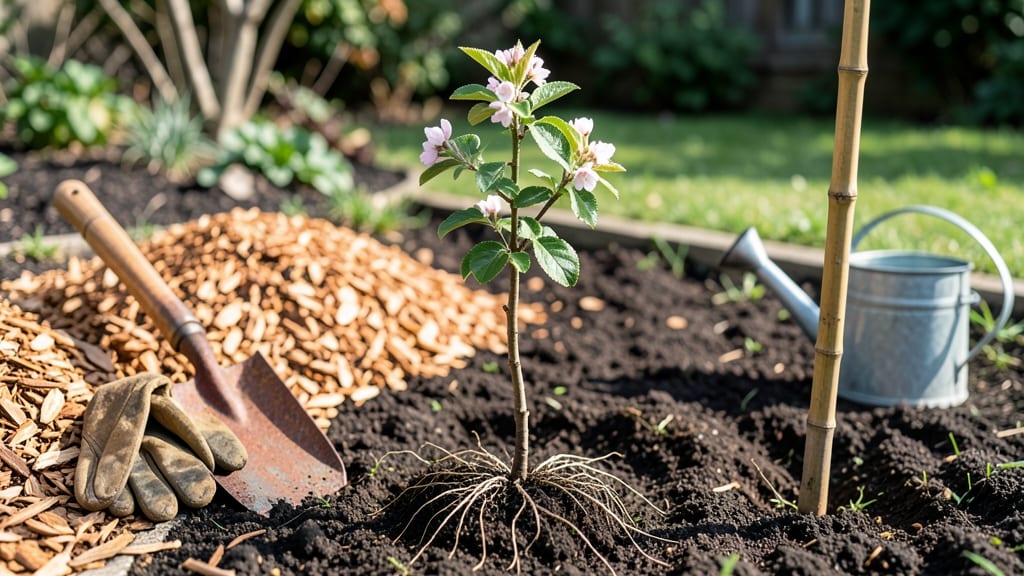
Planting an apple tree 🍎 in North Carolina at the wrong time could mean watching your investment wither before it even bears fruit. The key isn’t just picking a random spring day—it’s syncing your planting with your specific USDA zone’s last frost date and chill hour needs.
Most gardeners in North Carolina’s 6a-8a zones know the general rule: late winter to early spring. But here’s the catch—your exact timing depends on whether you’re in the Piedmont’s cooler hills or the Coastal Plain’s milder climate.
Get it right, and you’ll set your tree up for strong root growth before summer’s heat arrives.
I’ll walk you through the ideal planting window for your zone, plus how to tell when your soil is ready and your young tree is truly settled in. Whether you’re planting bare-root saplings or container-grown trees, these tips will help you avoid common mistakes that stall growth.
By the end, you’ll know exactly when to dig—so you can enjoy homegrown apples in just a few years instead of years. Let’s get started.
North Carolina apple tree planting deadlines by USDA Hardiness zones (5b–8a)
North Carolina spans multiple USDA Hardiness Zones, each with unique frost patterns that dictate the perfect window for planting apple trees. In Zone 5b, the last average frost date arrives around April 15, while Zone 8a sees frost-free conditions as early as February 15.
Planting outside these ranges risks exposing young roots to late-season frost or heat stress before establishment.
Apple trees require chill hours—prolonged exposure to temperatures between 32°F and 45°F—to break dormancy. Most popular varieties like Gala and Fuji need 500–800 chill hours, while Granny Smith thrives with 300–500 hours.
Planting too early in warmer zones (e.g., Zone 7a+) can trigger premature bud break, leaving trees vulnerable to late frosts.
⚠️ Critical Planting Deadlines by Zone: Use these guidelines to align with your local frost-free date and avoid common pitfalls like root shock or dormancy disruption. For example, in Zone 6b, aim to plant by March 31, while Zone 8a gardeners have until April 15—but watch for unpredictable heatwaves that can stress bare-root trees.
In Zone 5b, where winters are harsh, plant bare-root trees as soon as the soil is workable (typically Februaryspring thaw. For Zone 8a, delay planting until January–February to avoid unseasonable warmth that can wake dormant buds prematurely.
Always check your local extension service for microclimate adjustments, especially in urban areas where heat islands can push frost dates later.
Container-grown apple trees offer more flexibility but still require chill hour compatibility. For example, ‘Ein Shemer’, a low-chill variety (200–300 hours), is ideal for Zone 8a but will struggle in Zone 6b. If
How to calculate your local chill hours & adjust planting for apple tree success
Apple trees need chill hours—prolonged exposure to temperatures between 32°F and 45°F—to break dormancy and produce fruit. In North Carolina, chill hour requirements range from 300 to 1,000+ hours, depending on the variety.
Planting the wrong type for your area can mean blooms that never set fruit or poor yields. Let’s decode your local chill hours and match them to the perfect apple tree.
Start by checking your USDA Hardiness Zone (6b–8a in NC) and cross-reference it with your county’s average chill hours. For example, the Piedmont region (Zone 7a) typically sees 600–800 chill hours, while the Coastal Plain (Zone 8a) may only hit 300–500 hours.
Use the NOAA Climate Data Portal or your local Cooperative Extension Service for precise numbers.
Microclimates like urban heat islands or elevated areas can skew chill hour totals. A backyard in Raleigh might register 100 fewer chill hours than a rural farm just 10 miles away. If you’re unsure, opt for low-chill varieties like ‘Ein Shemer’ (400–600 hours) or ‘Akane’ (600–800 hours) to hedge your bets.
- 1 Find your chill hours: Use NOAA’s Local Climatological Data or your county extension office’s records. For example, Asheville averages 800–1,000 chill hours, while Wilmington sits at 300–400 hours.
- 2 Match varieties to chill hours: High-chill trees (e.g., ‘Fuji’, 800+ hours) thrive in the Mountains (Zone 6b–7a), while low-chill types (e.g., ‘Anna’, 300–500 hours) suit the Coastal Plain (Zone 8a).
- 3 Adjust planting timing: In low-chill zones (300–500 hours), plant bare-root trees in late winter (February) to maximize root establishment before bud break. In high-chill zones (800+ hours)March–April to avoid early frost damage.
- 4 Monitor microclimates: Urban areas may have 50–100 fewer chill hours than rural spots. Use a home weather station to track your specific conditions for 2–3 years before planting.
Once you’ve nailed down your chill hours, adjust your planting window accordingly. In low-chill zones (Zone 8a), aim for late February to early March to give roots time to establish before the tree wakes up.
In higher-chill zones (Zone 6b–7a), wait until mid-March to April to avoid premature bud break from warm spells.
Pro tip: If you’re planting in a container, low-chill varieties like ‘Dorsett Golden’ (400–600 hours) are ideal. They’re also easier to move if your microclimate shifts over time. Just ensure your pot has drainage holes and use a lightweight, well-draining soil mix to prevent root rot.
Finally, pair your apple tree with a pollination partner that blooms at the same time. For example, ‘Akane’ (600–800 hours) pairs well with ‘Ein Shemer’ (400–600 hours) in Zone 7a. Check your extension service’s pollination charts for zone-specific pairings to guarantee fruit set.