
Plants
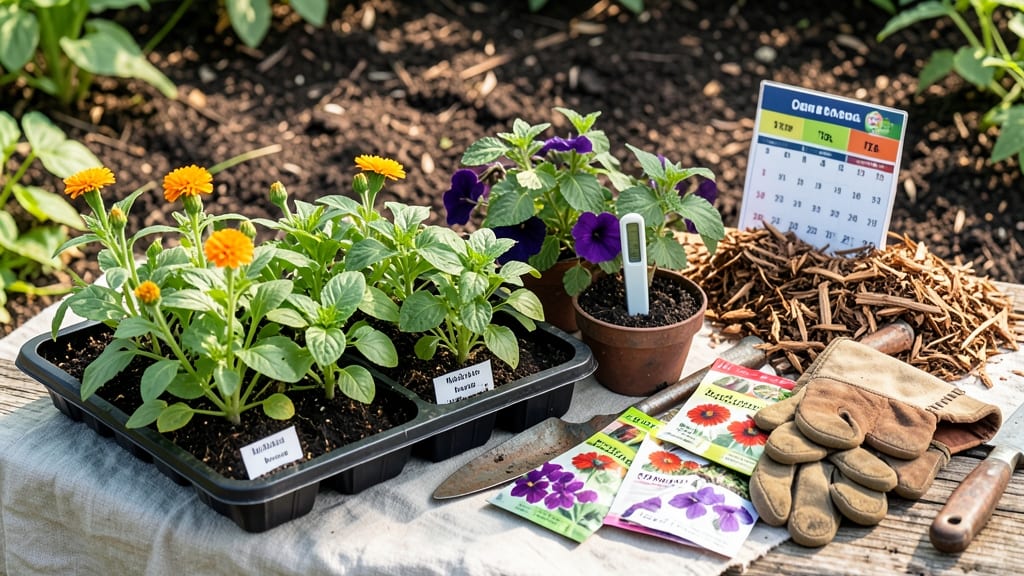
Planting annuals 🌸 in Ohio at the wrong time means watching your hard work turn into a sad, frost-bitten mess—but get the timing right, and you’ll enjoy blooms from spring to fall.
The key? Knowing when to start seeds indoors, when to transplant tender seedlings, and how Ohio’s microclimates (like Toledo’s late springs or Cincinnati’s urban heat islands) shift those deadlines by weeks.
Most gardeners in USDA Zone 6a wait until after the last frost—typically mid-April to early June—but that’s just the starting point. Some annuals, like marigolds, can handle a light frost, while others, like basil, need soil at 60°F or warmer to thrive.
I’ll break down the exact windows for your region, plus pro tips to stretch your planting season without risking frost damage.
Whether you’re sowing petunias in March under row covers or transplanting tomatoes in June, timing is everything.
You’ll learn how to read Ohio’s frost-free days, choose the right varieties for your microclimate, and even extend your growing season with simple tricks—so you’re not left with empty garden beds when the weather finally cooperates.
Let’s dive into the region-specific dates and strategies that’ll turn your Ohio garden into a year-round showstopper—no guesswork required.
Ohio’s annual planting zones: frost dates by region (2024 guide)
Ohio’s five distinct microclimates create a gardening puzzle—where Toledo’s late springs clash with Cincinnati’s urban heat islands. Understanding your last frost dates is the key to planting annuals like marigolds or basil at the perfect moment.
These dates shift yearly, but Ohio State University’s data gives us reliable benchmarks for 2024.
Your USDA Zone matters too—most of Ohio falls in Zone 6a, but pockets of Zone 5b (northern) and Zone 7a (southern) change the game. For example, Toledo’s Zone 6a often waits until May 1 for safe planting, while Athens’ Zone 7a can start as early as April 15.
Let’s break it down by region so you never rush your petunias into the ground too soon.
Here’s the 2024 frost date guide for Ohio’s five key regions, including first frost (fall) and last frost (spring) averages. Use these to time your annual transplants and direct sowing for maximum bloom power.
If you’re in Northern Ohio, wait until May 1 to plant heat-lovers like tomatoes or peppers, but cool-season crops (spinach, lettuce) can go in as early as March 15 under row covers.
Meanwhile, Cincinnati gardeners can push the envelope with tropical annuals like hibiscus or ginger thanks to the city’s urban heat island effect.
Pro tip: Check your local Almanac frost predictor 1–2 weeks before your region’s average last frost. A late snowstorm in March can push Toledo’s safe planting window back by weeks.
For example, in 2023, Cleveland’s last frost hit May 10, two weeks later than average—catching many gardeners off guard.
Your first frost in fall is just as critical. In Zone
Heat-tolerant vs. cold-hardy annuals: which to plant when in Ohio
Ohio’s unpredictable frost dates mean your annuals can either thrive or wither in weeks—but the right choice makes all the difference. Heat-tolerant annuals like marigolds and zinnias laugh at summer’s heat, while cold-hardy varieties such as pansies and snapdragons brave early springs.
The key? Matching your plants to Ohio’s microclimates (e.g., Toledo’s late frosts vs. Cincinnati’s urban warmth) and knowing when to transplant for maximum blooms.
For example, marigolds can handle light frosts and even 32°F soil temps, while basil wilts if soil dips below 50°F. I’ll break down the best transplanting windows for each type, plus how to recover if frost strikes unexpectedly.
By the end, you’ll know exactly which annuals to plant in March under row covers, which to wait for June’s heat, and how to stretch your garden’s season without risking frost damage.
Let’s start with the pros and cons of planting cold-hardy vs. heat-tolerant annuals in Ohio’s climate zones.
- Survive light frosts (28-32°F)
- Earlier blooms (March-April)
- Low-maintenance (drought-tolerant)
- Fewer summer blooms
- Less heat tolerance
- May bolt in 80°F+ heat
- Thrive in 90°F+ heat
- Longer bloom seasons
- Bold colors (reds, oranges)
- Need 60°F+ soil to germinate
- Frost-sensitive (below 32°F)
- Higher water needs
For cold-hardy annuals, think pansies, snapdragons, and sweet alyssum. These can handle Ohio’s late-March to early-April frosts and even bounce back from 28°F nights if mulched properly.
Plant them as soon as soil is workable (40°F+) for spring color—just be ready to protect them with row covers if frost lingers.
On the flip side, heat-tolerant annuals like marigolds, zinnias, and cosmos need to wait until after the last frost (typically mid-April to early June in Ohio). These powerhouses handle 90°F+ heat and even drought conditions, making them ideal for Ohio’s summer gardens.
However, they’ll wilt instantly if transplanted into cold soil—so always check soil temps with a thermometer before planting.
If frost strikes unexpectedly, cover plants with lightweight fabric or move potted annuals to a sheltered spot. Most heat-tolerant varieties (like basil or sunflowers) won’t recover, but cold-hardy types (such as pansies) often bounce back with minimal damage.
For a year-round display, interplant cold-hardy and heat-tolerant annuals—start with pansies in March, then add marigolds in June for seamless color.
Pro tip: Use succession planting to keep your garden blooming. Sow cold-hardy annuals every 2-3 weeks from March to May, then switch to heat-tolerant varieties in June. This ensures continuous blooms from spring through fall—no bare spots allowed!