
Plants
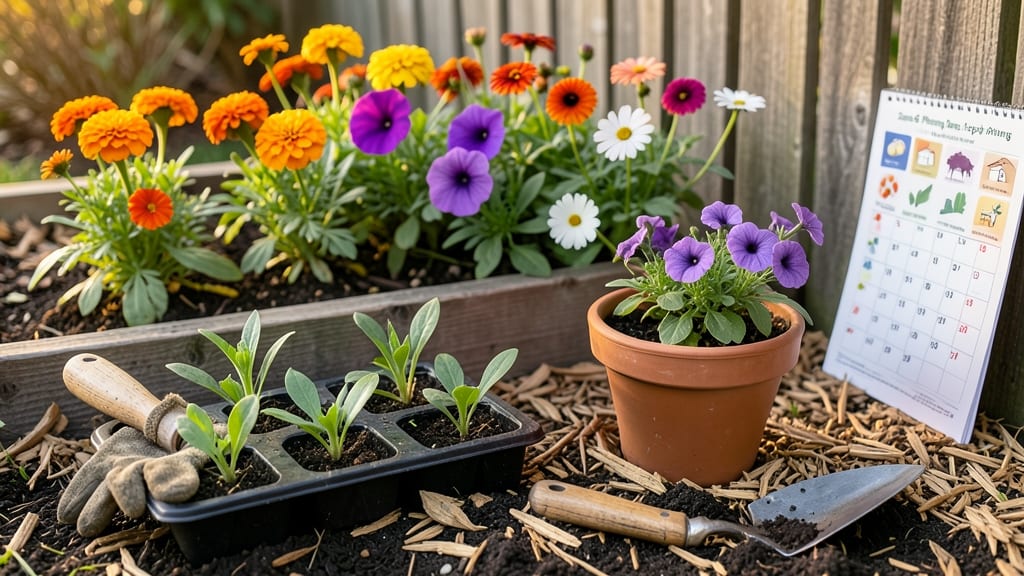
Planting your 🌸 annuals at the wrong time in Zone 6 can mean the difference between a vibrant summer garden and a sad pile of frost-nipped seedlings.
The average last frost date hovers around mid-April, but your microclimate—whether you're in a city heat pocket or a chilly valley—can shift that window by weeks.
You’ve probably heard the rule: "Wait until after the last frost," but that’s not the whole story. Soil temperature matters just as much—most annuals need 60°F+ to thrive, and cool evenings can still sneak in well past the official frost date.
Let’s break down exactly when to plant for your specific Zone 6 conditions.
From heat-loving marigolds to cool-tolerant pansies, each annual has its own ideal timing. Some can handle light frost, while others bolt at the first hint of summer. I’ll show you how to match your plants to the perfect window—plus how to extend your growing season for fall blooms.
Ready to avoid the common mistakes that waste seeds and money? By the end, you’ll have a clear checklist for planting spring, summer, and fall annuals—no guesswork, just guaranteed growth. Let’s get those seeds in the ground the right way!
Zone 6 last-frost dates by microclimate: when to plant annuals safely
Zone 6 gardeners face a tricky balance—frost can linger until mid-May in some areas, while heat-loving annuals like tomatoes and basil need warm soil to thrive. Your exact last-frost date depends on your microclimate, whether you're in a valley, urban heat island, or high-elevation garden.
Ignoring these differences means risking frost damage or stunted growth.
For example, valleys often experience frost 2-3 weeks later than hilltops, while urban areas with concrete and buildings can warm up faster, creating a 10-14 day window shift.
Knowing your specific microclimate helps you choose the right cold-hardy annuals (like pansies or snapdragons) versus heat-lovers (like marigolds or peppers).
Here’s how to pinpoint your last-frost date and plant annuals with confidence, using data from USDA Zone 6a/6b regions. The table below breaks down early, mid, and late microclimates, so you can avoid the most common mistakes—like planting tomatoes too soon or lettuce too late.
| Microclimate Type | Average Last Frost Date | Safe Planting Window | Cold-Hardy Annuals | Heat-Loving Annuals |
|---|---|---|---|---|
| Early (High Elevation, North Facing) | April 15 | May 1–15 | Pansies, Snapdragons, Calendula | Tomatoes, Basil, Peppers (wait until June) |
| Mid (Suburban, Valleys) | May 1 | May 15–30 | Lettuce, Violas, Arugula | Marigolds, Zinnias, Cucumbers |
| Late (Urban Heat Islands, South Facing) | May 15 | May 30–June 10 | Sweet Alyssum, Stock | Basil, Okra, Sweet Potatoes |
*Adjust dates 1-2 weeks earlier for fall planting of cool-season annuals.
If you’re unsure about your microclimate, use the 50°F soil temperature rule as a backup. Most heat-loving annuals need soil to stay above 60°F for 2 weeks straight before planting.
Test your soil with a soil thermometer—it’s the most reliable way to avoid frost damage or shock to tender plants.
For cold-hardy annuals, like pansies or snapdragons, you can push the envelope and plant 2–3 weeks before your average last frost. These plants tolerate light frost down to 25°F, so they’re perfect for extending your spring color.
Just cover them with frost cloth if a late freeze is forecasted.
On the flip side, heat-loving annuals like tomatoes, peppers, and basil need to wait until after Memorial Day in most Zone 6 areas. Planting them too early stresses the plants, leading to blossom-end rot in tomatoes or poor germination.
Use black plastic mulch to warm the soil faster if you’re eager to get a head start.
Pro tip: If you’re in a late-frost microclimate, consider starting heat-loving annuals indoors 6–8 weeks before your last frost date. This way, you can transplant them as soon as the soil warms up, giving them a 2-week head start over direct-sown seeds.
For example, tomato seedlings thrive when moved outdoors in late May for early June harvests.
Don’t forget about fall planting! Many cool-season annuals, like kale, radishes, and pansies, can be sown as late as August 15 in Zone 6.
These plants handle light frosts and even add winter interest to your garden. Just aim to harvest or enjoy blooms before the first hard frost in October.
Finally, keep a garden journal to track your local frost dates over the years. Microclimates shift due to climate change, and your neighborhood’s last frost might now occur 1–2 weeks earlier than the historical average.
By noting when your zinnias bloom or tomatoes ripen, you’ll refine your planting schedule for years to come.
Heat-tolerant annuals vs. cool-season annuals: planting schedules for Zone 6 success
Mastering the timing for heat-tolerant annuals like marigolds and peppers versus cool-season annuals such as lettuce and calendula is the key to avoiding frost damage or wilting in Zone 6. While warm-season plants need soil temperatures above 60°F to thrive, cool-season varieties can handle cooler soils and even light frosts.
Let's break down the ideal planting windows and soil temperature thresholds to maximize your garden's potential.
For heat-tolerant annuals, wait until after your last frost date—typically mid-May in Zone 6—when soil temperatures consistently stay above 60°F. Plants like tomatoes, basil, and marigolds will bolt or fail to thrive if planted too early.
On the flip side, cool-season annuals like pansies and spinach can be sown as early as late March or even earlier in protected microclimates, provided they’re covered with frost cloth if needed.
Heat-Tolerant Annuals
✅ Pros
- Longer growing season for summer blooms
- Higher yields in warm conditions
- Deters pests (e.g., marigolds repel nematodes)
❌ Cons
- Risk of frost damage if planted too early
- Requires consistent watering in heat
- Slow germination in cool soils
Cool-Season Annuals
✅ Pros
- Early harvests before summer heat
- Tolerates cooler temps and light frost
- Lower water needs in spring/fall
❌ Cons
- Bolts in heat (e.g., lettuce turns bitter)
- Limited summer growth without shade
- Pests thrive in damp spring soils
To avoid transplant shock, harden off heat-loving seedlings for 7–10 days before planting them outdoors. Start by placing them in a shaded area for a few hours daily, then gradually increase their exposure to direct sunlight and wind.
For cool-season plants, use row covers or cold frames to extend the season. My trick? Plant a 2-week buffer of heat-tolerant seeds indoors under grow lights if late frosts are forecasted.
For peppers and tomatoes, wait until soil temperatures reach at least 70°F—use a soil thermometer to check. These plants are finicky about cold soil and may rot if planted too early.
Meanwhile, calendula and pansies can handle soil temps as low as 45°F, making them ideal for early spring or fall planting. Always check your local frost-free date and adjust by 2 weeks if you're a late starter.
If you're unsure about your soil temperature, opt for transplanting instead of direct sowing. Nursery-grown seedlings are already acclimated to outdoor conditions and will establish faster.
For example, marigolds and zinnias can be planted as soon as the soil warms up, while lettuce and kale should go in the ground 4–6 weeks before the last frost. This staggered approach ensures a continuous harvest or bloom cycle.
Remember, microclimates matter! Urban areas may warm up faster than rural spots, while valleys can stay cooler longer. Use these guidelines as a starting point, then adjust based on your garden’s unique conditions. With the right timing, you’ll enjoy vibrant blooms and bountiful harvests all season long. 🌱