
Plants
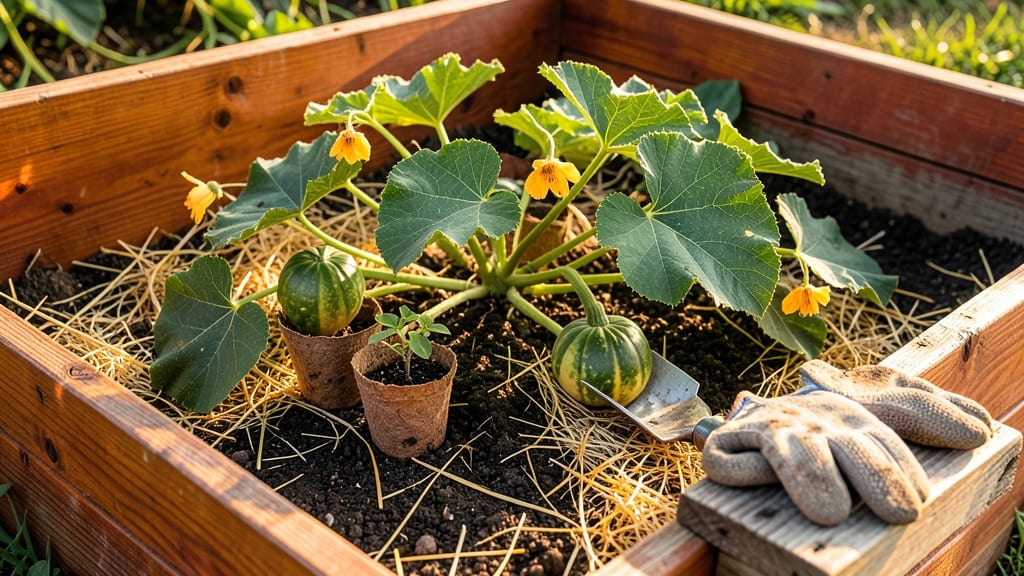
Planting acorn squash 🎃 in Texas isn't just about throwing seeds into the ground—it's about timing it just right to avoid bolting and ensure a harvest of those sweet, nutty gems.
The wrong window means wasted effort, while the perfect moment unlocks a bountiful fall harvest that'll have your neighbors asking for recipes.
Texas' diverse climate means your planting schedule depends entirely on where you live. In North Texas, you've got a narrow window between late February and early April, while South Texas gardeners can start as early as January.
Central Texas falls somewhere in between, but getting the soil temperature right—at least 60°F—is the real game-changer for strong, healthy vines.
I've learned the hard way that rushing too soon leads to frost damage, while waiting too long risks those plants bolting before they produce.
The key is planting 2-3 weeks after your last frost date—whether that's mid-February in South Texas or late March in North Texas—and I'll show you exactly how to pinpoint your perfect moment.
Beyond the calendar, we'll cover whether to start seeds indoors or go straight to the garden, how to extend your growing season with simple tricks, and what to watch for when those vines begin to run.
Let's get your acorn squash off to the right start—because in Texas, timing truly is everything.
Texas acorn squash planting calendar by region: exact months to avoid bolting
Texas gardeners know timing is everything—plant acorn squash too early, and you risk frost damage; too late, and your plants bolt before producing sweet, nutty fruit. Mastering the perfect planting window by region ensures a bountiful harvest without the heartache of wasted effort.
Acorn squash thrives in USDA zones 8a-10b, but Texas' diverse climate means North, Central, and South regions each have unique last frost dates and heat tolerance thresholds.
Acorn squash requires 60°F (15°C) soil temperatures to germinate and consistent warmth to prevent bolting. In Texas, this means planting after the last frost but before summer heat triggers premature flowering. The key is finding that 2-3 week window where soil warms but daytime temps stay below 90°F (32°C).
For North Texas (Dallas/Fort Worth), the last frost typically falls around February 15, making March 1-15 the ideal planting window. Central Texas (Austin/San Antonio) can start slightly earlier at February 28, with March 1-31 being optimal.
South Texas (Houston/Corpus Christi) enjoys the longest growing season, allowing January 31-February 15 for planting.
Here's a region-specific comparison of planting windows, frost dates, and critical temperature thresholds to prevent bolting:
In North Texas, the 210-day growing season means you must plant by March 15 to harvest before the November 15 frost. For Central Texas, the season extends until December 1, giving you more flexibility. Meanwhile, South Texas gardeners can enjoy a longer harvest window until mid-December.
To avoid bolting, monitor daytime temperatures—acorn squash plants will bolt when consistently exposed to above 90°F (32°C). In South Texas, this means starting seeds indoors in late January and transplanting after the February 15 window.
For North Texas, direct sowing in early March works best, while Central Texas can handle both methods.
For all regions, use black plastic mulch to warm soil faster and shade cloth during extreme heat waves. This helps maintain optimal growing conditions between 70-85°F (21-29°C), preventing bolting while ensuring sweet, nutty fruit development.
Remember, acorn squash needs 80-100 days to mature. Planting too late risks small, underdeveloped fruit before frost. In North Texas, aim for September harvests; in Central Texas, you can extend until October; and South Texas may even get November harvests with proper timing.
Pro tip: Use varieties like 'Sweet Dumpling' for cooler regions and 'Table Queen' for heat tolerance. Both thrive in full sun and well-draining soil, making them perfect for Texas gardens when planted at the right time.
🎃
How to extend your acorn squash season in Texas: direct sowing vs. starts
Deciding between direct sowing and transplanting starts for acorn squash in Texas can feel overwhelming, especially with our variable climate zones. In North Texas, cooler springs often favor starts, while South Texas heat makes direct sowing ideal.
The key is matching your method to your region’s last frost dates and soil warmth to avoid stunted growth or bolting.
Direct sowing lets seeds germinate in warmer soil (60°F+), reducing transplant shock. However, it requires precise timing—plant too early, and frost will kill tender seedlings. Transplanting starts gives you a head start but demands careful hardening off to prevent stress.
Both methods have trade-offs, so let’s break down when to choose each for your Texas garden.
Direct Sowing vs. Transplanting Starts
- ✅ Best for South/Central Texas
- ✅ Avoids transplant shock
- ✅ Warmer soil speeds germination
- ✅ Extends North Texas season
- ✅ Earlier harvest potential
- ✅ Better for cooler springs
- 🚫 Direct sowing too early → frost damage
- 🚫 Transplanting in heat → shock and wilting
- 🚫 Skipping companion plants → powdery mildew risk
For direct sowing, wait until soil reaches 60°F (15°C)—use a soil thermometer to confirm. In North Texas, this typically means mid-to-late March. Plant seeds 1 inch deep, spacing them 2-3 feet apart in hills.
In South Texas, you can start as early as late February, but watch for sudden cold snaps.
If you’re transplanting starts, begin indoors 4-6 weeks before your last frost date. Harden off seedlings by gradually exposing them to outdoor conditions over 7-10 days. In Central Texas, transplant in early March; in North Texas, wait until late March to avoid frost.
Always plant starts slightly deeper than their containers to stabilize them.
To maximize yield, pair acorn squash with companion plants like nasturtiums (which deter pests) or bush beans (which fix nitrogen). Avoid planting near potatoes or other squash varieties, as they compete for nutrients.
Mulch with straw or grass clippings to retain moisture and suppress weeds—critical in Texas’ dry heat.
Monitor for powdery mildew, a common issue in humid Texas summers. Space plants properly for airflow, and water at the base in the morning to keep foliage dry.
If mildew appears, treat with a baking soda spray (1 tsp baking soda + 1 quart water + a drop of dish soap) every 7-10 days.
With the right method and care, your acorn squash can thrive from October through December, giving you a harvest just in time for holiday feasts. Experiment with both techniques to see what works best in your microclimate—your future self (and taste buds) will thank you! 🎃