
Planting
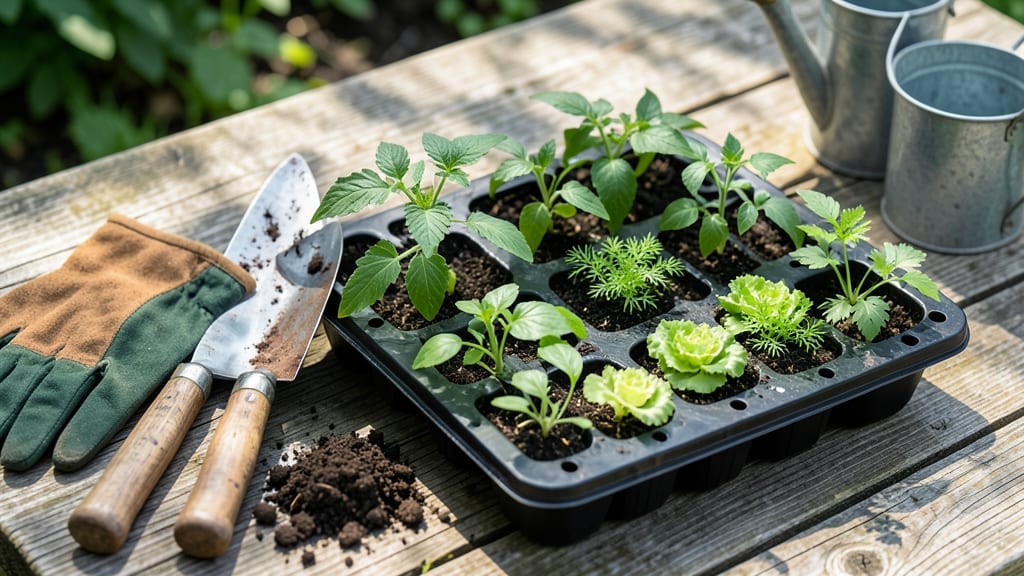
Planting your 🥬 vegetable garden in Pennsylvania at the wrong time can mean the difference between a bountiful harvest and a sad pile of frost-bitten leaves.
The key to success lies in understanding your hardiness zone—whether you're in the cooler 5b regions or the warmer 7a areas—and when those critical frost dates actually arrive.
I’ve spent years watching my garden thrive (and occasionally fail) by following these exact timing rules. The good news? Pennsylvania’s two-season planting windows—spring and fall—give you two chances to grow everything from crisp lettuce to juicy tomatoes.
But getting the timing right means knowing exactly when to start seeds indoors, when to transplant seedlings, and which crops can handle a light frost.
In this guide, I’ll break down the perfect planting schedule for your zone, including when to plant cool-season crops like spinach (as early as March!) and warm-season favorites like peppers (only after the last frost).
You’ll also learn how to adjust for those tricky microclimates—like why your neighbor’s garden might be two weeks ahead of yours.
Ready to grow a garden that actually produces? Let’s dive into the zone-by-zone planting calendar that’ll have you harvesting like a pro by summer—and maybe even fall!
Pennsylvania’s frost-free dates by hardiness Zone: key planting windows
Pennsylvania spans USDA hardiness zones 4a to 7a, creating a patchwork of planting windows that can confuse even experienced gardeners. The last spring frost typically arrives between mid-April and early May, while the first fall frost hits mid-October to early November.
These dates define your planting windows for cool-season vs. warm-season crops, but microclimates—like city heat islands or mountain valleys—can shift these by 1-3 weeks.
For cool-season crops like spinach, kale, and peas, aim to plant 4-6 weeks before your last frost date. In Zone 4a (northwest PA), that might mean late March to early April, while Zone 7a (southeastern PA) gardeners can start as late as early April.
Warm-season crops like tomatoes, peppers, and cucumbers, however, need to wait until 2-3 weeks after your last frost—usually mid-May to early June—to avoid frost damage.
Understanding your local frost dates is critical because even a light freeze (28°F) can devastate tender seedlings. Use the summary table below to pinpoint your zone’s average frost-free dates and adjust for your specific microclimate.
For example, Pittsburgh (Zone 6a) often sees its last frost by May 1st, while Erie (Zone 5b) can linger until May 15th.
🌱Pro Tip: If you’re unsure about your exact frost date, check the National Oceanic and Atmospheric Administration (NOAA) or your local Penn State Extension office. They provide historical frost data and can help you plan for unpredictable weather patterns.
📋 SUMMARY TABLE: Pennsylvania Frost-Free Dates by Hardiness Zone
Your microclimate plays a huge role in adjusting these dates. For instance, urban areas like Philadelphia often warm up 1-2 weeks earlier than rural zones due to the urban heat island effect. Conversely, mountainous regions like the Poconos (Zone 5a) can experience late frosts well into May.
To account for this, observe your garden’s behavior over 3-5 years or use a frost clock (a simple DIY tool using a thermometer and string).
For warm-season crops, timing is everything. Plant tomatoes and peppers too early, and a late frost will kill them. Too late, and you’ll miss the harvest window before fall frosts arrive.
In Zone 6a, for example, tomatoes should go in the ground by May 15th to ensure a July-October harvest. In Zone 4a, wait until June 1st to avoid frost damage. Peppers, which need even more warmth, should wait until after Memorial Day in most of PA.
🌿Extension Tip: If you’re eager to grow warm-season crops earlier, use black plastic mulch or row covers to warm the soil and protect seedlings. For cool-season crops, extend your harvest into fall by planting hardy varieties like kale or spinach in
Best vegetables to plant in Pennsylvania by month: a month-by-month guide
Pennsylvania’s variable climate demands a strategic planting schedule to maximize your vegetable garden’s productivity. Cool-season crops thrive in early spring and fall, while warm-season plants need summer’s warmth. I’ve broken down the best month-by-month planting for PA’s USDA zones 5b-7a, including frost-sensitive varieties and hardy options.
Timing is everything—plant spinach and peas too late, and they’ll bolt before harvest. Tomatoes and peppers, on the other hand, need warm soil to germinate, so waiting until after the last frost is critical.
Below, I’ll walk you through the ideal planting windows for each month, plus tips to extend your growing season with row covers or cold frames.
-
March (Cool-Season Start)
✅ Peas, Spinach, Lettuce, Radishes, Onions
Direct-sow hardy greens under row covers to protect from late frosts. -
April (Last Frost Risk)
✅ Broccoli, Cabbage, Carrots, Beets, Potatoes
Wait until soil temps reach 45°F+ for potatoes; use black plastic mulch to warm soil. -
May (Warm-Season Kickoff)
✅ Tomatoes, Peppers, Cucumbers, Squash, Corn
Start transplants indoors in early May; harden off before mid-May planting. -
June (Peak Planting)
✅ Green Beans, Okra, Sweet Potatoes, Melons
Sow fast-maturing varieties for late-summer harvests; mulch to retain moisture. -
July (Fall Prep)
✅ Kale, Brussels Sprouts, Turnips, Lettuce
Direct-sow cool-season crops for fall harvests; succession plant every 2 weeks. -
August (Late Summer)
✅ Radishes, Arugula, Spinach, Peas
Use row covers to extend harvests; avoid planting warm-season crops after July 15. -
September-October (Fall Garden)
✅ Garlic, Onions, Winter Spinach, Cover Crops
Plant garlic in October for next year’s harvest; cover with straw mulch for winter protection.
For extended seasons, I swear by floating row covers to protect early spring and late fall plantings. A simple cold frame can add 2-4 weeks to your harvest window—perfect for leafy greens like kale or lettuce.
Just remember: warm-season crops like tomatoes and peppers hate cold soil, so wait until after Memorial Day to plant them outdoors.
Pro tip: Keep a gardening journal to track your local frost dates and adjust planting windows yearly. In Northeast PA, frosts can linger until May 15, while Southwest PA often sees last frosts by April 15. Tailor your schedule to your microclimate for the best results!
🌱