
Planting
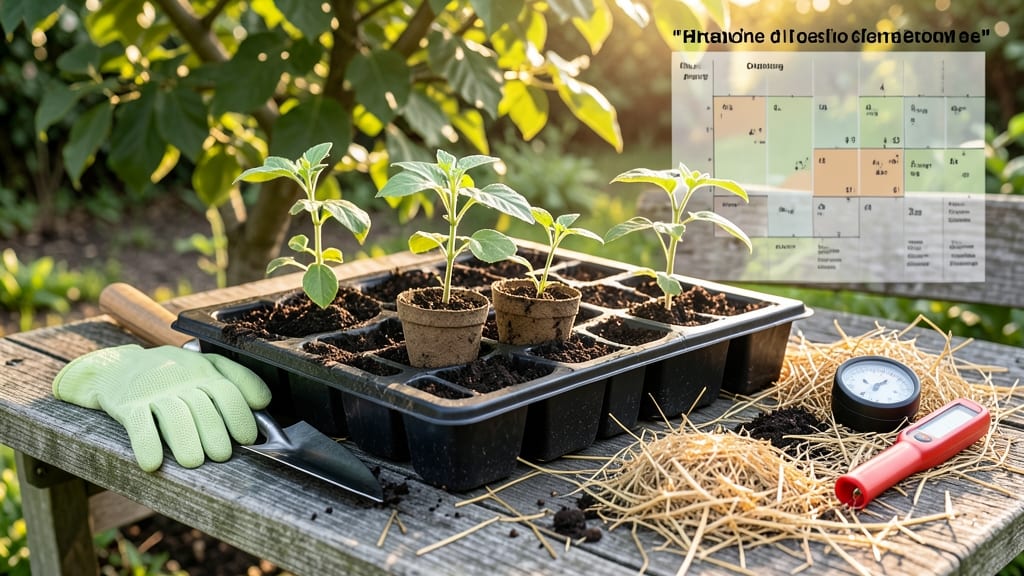
Planting a vegetable garden in Ontario at the wrong time can mean the difference between a bountiful harvest and throwing seeds to the birds.
With last frost dates creeping in as late as May in Zone 4B and earlier in Zone 5B, timing your 🌱 crops just right is the key to success.
I’ve learned the hard way that rushing into spring planting without checking soil temperatures or local frost trends often leads to disappointment.
But here’s the good news: Ontario’s varied climate actually gives us multiple chances to grow—if you know when to start seeds indoors, when to transplant tender seedlings, and which hardy greens can handle early spring’s chill.
Whether you’re a first-time gardener or a seasoned pro, mastering Ontario’s planting schedule means understanding cool-season crops like spinach and peas that thrive in April versus warm-season favorites like tomatoes and peppers that need to wait until after May 24 (the average last frost date).
Let me walk you through exactly when to plant each type for maximum yield.
We’ll also cover how to adjust for your specific microclimate—whether you’re in Toronto’s urban heat islands or rural areas with earlier frosts—so you can extend your growing season and enjoy fresh vegetables from June right through to fall. Ready to turn your garden dreams into reality?
Ontario frost dates by month: when to plant cool vs warm-season vegetables
Understanding Ontario’s frost dates is the key to successful vegetable gardening. In Zone 4B-5B, the last spring frost typically arrives between mid-April and early June, while the first fall frost hits as early as late September.
These dates determine whether you can plant cool-season crops like spinach or wait for warm-season favorites like tomatoes.
Southern Ontario (Zone 5B) enjoys slightly longer growing seasons than northern areas (Zone 4B). For example, Toronto’s last frost is usually around May 15, while Ottawa’s can linger until June 1. Knowing these variations helps you adjust planting schedules to avoid frost damage.
A cool-season vegetable like peas thrives when planted as early as late April in Zone 5B, while warm-season crops such as peppers need to wait until after mid-May when soil temperatures consistently stay above 10°C (50°F)**.
Here’s a quick reference for Ontario’s frost dates by month, tailored to both Zone 4B and 5B:
For cool-season vegetables, such as spinach, peas, and lettuce, aim to plant them 4-6 weeks before your last frost date. This gives them enough time to mature before summer heat sets in.
In Zone 5B, you can start sowing peas as early as late March under row covers.
On the other hand, warm-season crops like tomatoes, peppers, and cucumbers should only go into the ground after the soil has warmed to at least 15°C (60°F). In Zone 4B, this typically means waiting until early June, while Zone 5B gardeners can plant by mid-May.
If you’re unsure about your exact frost dates, use a frost calendar or check local weather reports. Many Ontario gardeners also use row covers to extend the growing season for both cool and warm-season crops, giving you a longer harvest window.
Pro tip: Plant fast-maturing varieties of warm-season crops in early June to ensure a harvest before the first frost. For example, bush beans can be ready in just 50 days, while cherry tomatoes take about 60 days.
By aligning your planting schedule with Ontario’s frost dates, you’ll maximize your garden’s potential and enjoy a bountiful harvest from spring to fall.
How to adjust planting times for Ontario’s microclimates and soil conditions
Ontario’s diverse landscapes—from urban Toronto to rural farmlands—create microclimates that can shift your last frost date by weeks. A south-facing garden in Zone 5B might warm up faster than a shaded spot in Zone 4B, so knowing how to adapt is key.
I’ve learned that even a 5-degree difference can mean the difference between thriving tomatoes and frost-nipped seedlings.
Your first step is to calculate your exact frost dates. Check your local Environment Canada historical data (like the 30-year averages for your nearest weather station) and adjust by 1-2 weeks based on recent trends.
For example, my garden in Hamilton averages a May 15 last frost, but I plant spinach by May 1 as a buffer.
- Extend your season with row covers or cold frames—these can push your planting window back by 3-4 weeks in spring and add 2-3 weeks in fall.
- Test your soil 2 weeks before planting—ideal soil temperature for cool crops is 45-55°F, while warm crops like peppers need 70°F+. Use a soil thermometer for accuracy.
- Prepare beds early: Till in compost or aged manure 4-6 weeks before planting to warm the soil faster. Raised beds heat up 2-3 days sooner than in-ground soil.
- Use succession planting for fast growers like radishes or lettuce. Sow every 2 weeks from late April to early June to ensure a continuous harvest.
- Monitor local heat islands: Urban areas like Ottawa or London can be 5-10°F warmer than rural zones, letting you plant tomatoes or cucumbers 10-14 days earlier.
Don’t overlook soil drainage—waterlogged roots in clay-heavy areas (common in Southern Ontario) can delay germination by 1-2 weeks. Amend with sand or peat moss if your soil stays soggy after rain.
I once lost an entire carrot crop because I ignored this—now I test drainage by filling a hole with water and timing how long it takes to drain.
For warm-season crops, wait until the soil thermometer hits 60°F+ consistently.
In Northern Ontario (Zone 4B), this often means waiting until late May or early June, while Southern Ontario (Zone 5B) can start by mid-May. Peppers and eggplants are especially finicky—plant them too soon, and they’ll stunt or rot.
Pro tip: Keep a gardening journal to track your personal frost dates over 3 years. I’ve found my last frost in Guelph has shifted from May 20 to May 10 due to climate change. Adjusting my schedule by 10 days earlier for cool crops has doubled my early harvests.
Finally, mulch heavily after planting to maintain soil warmth and moisture. Straw or black plastic mulch can add 5-8°F to soil temps, helping warm-season plants establish faster. Just remember to remove plastic mulch before fall planting to avoid overheating new seedlings. 🌱