
Planting
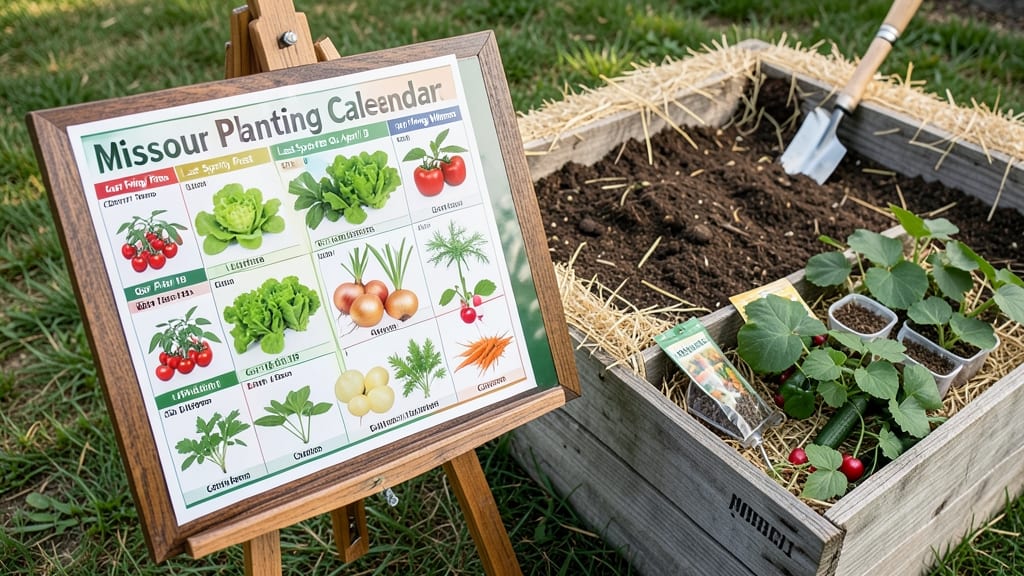
Planting your vegetable garden at the wrong time in Missouri could mean watching your hard work wither before it even begins—or worse, losing your entire crop to an unexpected frost.
The key to a thriving garden lies in knowing exactly when to plant, whether you're sowing cool-season greens or heat-loving tomatoes.
Missouri's climate varies dramatically from north to south, with USDA Zones 5b-6a bringing different frost dates and growing seasons. I've spent years perfecting the timing for my own garden, and what I'm about to share will help you avoid the most common mistakes that ruin planting schedules.
Let's get your garden off to the best possible start.
Spring planting typically begins as early as March for cold-hardy vegetables, but warm-season crops like peppers and beans need to wait until after the last frost—usually around April or May, depending on your region.
Fall planting offers another chance to extend your harvest, with many vegetables thriving when planted in August or September.
Whether you're a first-time gardener or a seasoned pro, understanding these precise windows will transform your garden's success. I'll walk you through the exact timing for every major vegetable category, so you can enjoy a bountiful harvest from spring through fall.
Missouri’s ideal planting calendar by vegetable type (spring vs fall)
Missouri’s USDA Hardiness Zones 5b-6a create unique challenges for gardeners, with last frost dates varying by 1-2 weeks between northern and southern regions.
In the northern part (e.g., St. Louis), expect your average last frost around April 15, while southern areas like Sedalia may see frost-free conditions by March 25. This timing difference means your cool-season crops like spinach can go in 4 weeks earlier in the south than the north.
For warm-season vegetables such as tomatoes and peppers, the rule is to wait until soil temperatures consistently reach 60°F—typically late April to early May in most of Missouri. Planting too early risks cold-sensitive seedlings rotting in chilly soil.
Meanwhile, fall planting for crops like kale and carrots should begin 8-10 weeks before your first frost, which usually arrives between October 30 and November 15.
Northern Missouri (Zone 5b) gardeners should aim for early spring plantings of hardy greens like kale and peas by March 15, while southern Missouri (Zone 6a) can start two weeks earlier. The key is matching your planting window to your microclimate—urban areas may warm faster than rural spots, and elevated gardens often experience earlier springs.
Your spring planting strategy depends on the crop. Leafy greens like lettuce and arugula can handle light frosts and should go in 4-6 weeks before last frost. Meanwhile, broccoli and cauliflower need consistent cool soil—plant them 2-3 weeks before your last frost date.
For warm-season lovers, wait until soil temps hit 60°F before transplanting tomatoes or peppers, even if seedlings look ready.
Fall planting in Missouri is all about timing harvests before frost. Start cool-season crops like kale and carrots in early August for a late October harvest.
For hardy greens, you can even sow spinach in September—it’ll survive light frosts and give you winter harvests under row covers. The key is to avoid planting too late, as bolting (premature flowering) turns bitter greens into seed stalks.
Missouri’s fall frost dates vary dramatically. In northern counties, frost can arrive as early as October 20, while southern areas may push harvests into November 10. To extend your season, use black plastic mulch or frost blankets to protect tender crops like cabbage and brussels sprouts.
For warm-season holdovers, like eggplants, bring pots indoors before frost—just don’t expect fruit to ripen.
One common mistake Missouri gardeners make is planting warm-season crops too early.
How to adjust planting times for Missouri’s microclimates and soil conditions
Missouri’s diverse climate—from northern frost pockets to southern heat islands—means planting times can vary by 50 miles or more. Urban gardens often face heat retention from pavement, while rural areas experience cooler microclimates near wooded edges.
To succeed, you’ll need to adapt your planting schedule based on local frost dates, soil temperature, and whether you’re growing fast-maturing varieties or slow-growing crops.
Start by checking your USDA Hardiness Zone (5b-6a in Missouri) and your county’s average last frost date—this is your baseline.
For example, St. Louis (Zone 6a) typically has a last frost around April 15, while Kansas City (Zone 5b) may not reach safe planting temperatures until May 1. Use the Missouri Climate Center’s frost maps or local extension office data to pinpoint your exact window.
- 📅 Step 1: Calculate Your Frost-Free Window
- 🌡️ Step 2: Test Soil Temperature
- 🏙️ Step 3: Adjust for Urban vs Rural
- 🌱 Step 4: Choose Fast vs Slow Varieties
- 🛡️ Step 5: Use Row Covers for Extension
1. Calculate Your Frost-Free Window: Subtract 14 days from your county’s last frost date for cool-season crops (e.g., lettuce, peas) and add 2 weeks for warm-season crops (e.g., tomatoes, peppers) to account for soil warming. Example: If your last frost is April 15, plant cool crops by April 1 and warm crops after May 15.
2. Test Soil Temperature: Use a soil thermometer—most vegetables need soil at 60°F+ to germinate. Peppers and eggplants require 70°F+. In Missouri, soil may not reach these temps until late April or May in northern regions.
3. Adjust for Urban vs Rural: Urban gardens can be 5-10°F warmer than rural areas. If your garden is near concrete or asphalt, plant heat-loving crops (e.g., okra, sweet potatoes) 2 weeks earlier. Rural gardens may need row covers to extend the season by 3-4 weeks.
4. Choose Fast vs Slow Varieties: In short seasons, opt for fast-maturing varieties (e.g., ‘Early Girl’ tomatoes (55 days), ‘Little Marvel’ peas (60 days)). For longer seasons, slower varieties (e.g., ‘Brandywine’ tomatoes (80+ days)) thrive with proper timing.
5. Use Row Covers for Extension: Floating row covers can push back frost dates by 2-4 weeks in spring and extend fall harvests. For example, plant spinach or kale under covers in early March for a head start, or use them in October to protect greens until first frost.
For urban gardeners, consider container gardening to control soil temperature. Black pots absorb heat faster, warming soil 5-10°F quicker than in-ground beds. Meanwhile, rural gardeners can leverage natural windbreaks (e.g., hedges or fences) to create microclimates that trap heat, allowing earlier planting of warm-season crops.
Don’t overlook soil preparation—amend clay-heavy soils with compost or sand to improve drainage, which is critical for early spring planting. A mulch layer (straw or leaves) helps retain moisture and moderate soil temps, giving seedlings a better chance in unpredictable Missouri springs.
For fall planting, focus on fast-harvesting crops like radishes (30 days) or bush beans (50 days) to beat the first frost.
Pro tip: Keep a gardening journal to track your local microclimate quirks. Note when specific crops thrive in your spot—this data becomes invaluable for future seasons. With these adjustments, you’ll turn Missouri’s climate challenges into harvest opportunities! 🌱