
Plants
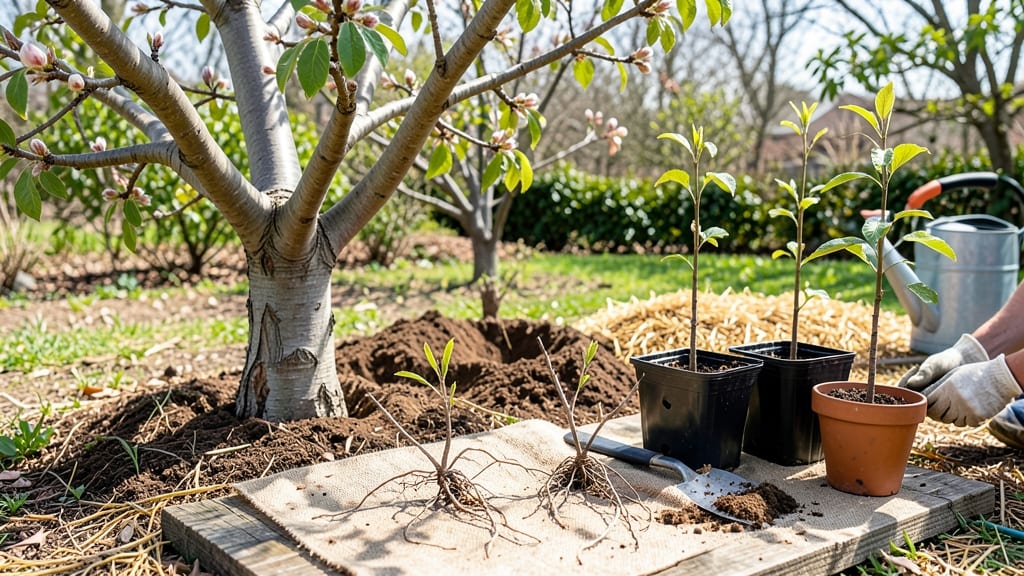
Planting a peach tree in Texas isn’t just about grabbing a sapling and sticking it in the ground—it’s about outsmarting 100-degree heat, unpredictable freezes, and the state’s tricky chill-hour rules. Get the timing wrong, and your 🍑 could struggle to fruit—or worse, die before it even takes root.
Here’s the deal: Texas’ 8a-10b zones mean your North Texas peach tree needs 600+ chill hours, while South Texas varieties thrive with just 300 hours. Plant too early, and a late frost zaps your young tree. Too late, and summer’s brutal sun stresses it before it’s established.
I’ve learned the hard way—skipping soil prep or ignoring microclimates can turn your $100 investment into a sad, sun-scorched stump. But don’t worry: with the right February-March window and a few pro tips, you can set your peach tree up for years of Texas-sized harvests.
Let’s break down exactly when, where, and how to plant your 🍑 for success—no guesswork, just sweet rewards.
Texas chill-hour zones: how to match your location to the right peach tree variety
Texas’ chill-hour requirements can make or break your peach tree’s success. Unlike cooler climates, Texas peaches need 300-1,200 chill hours—the number of hours below 45°F (7°C)—to produce fruit. Plant the wrong variety, and you’ll end up with a tree that blooms but never bears fruit.
For example, North Texas (like Dallas) averages 800-1,000 chill hours, while South Texas (Houston area) may only see 300-500 hours. Matching your location to the right variety is key to avoiding disappointment.
Before selecting a peach tree, check your local chill-hour zone using the Texas A&M AgriLife Extension chill-hour calculator. This tool helps you pinpoint your exact chill-hour range, ensuring you choose a variety that thrives in your microclimate.
For instance, ‘Redhaven’ (a classic freestone peach) needs 700-900 chill hours, making it ideal for North and Central Texas, while ‘Elberta’ (a clingstone variety) adapts well to South Texas’ lower chill hours (400-600). Skipping this step often leads to trees that bloom but fail to set fruit.
Common mistakes include ignoring chill-hour requirements or assuming all peach trees are the same. Another pitfall is planting low-chill varieties in areas with higher chill hours, which can cause excessive leafing out without fruit production. For example, ‘Fantasia’ (a popular low-chill variety) may struggle in Panhandle regions where chill hours exceed 1,000. Always verify your zone before buying.
If you’re unsure about your chill-hour zone, use the Texas A&M AgriLife Extension chill-hour calculator (available online) to input your ZIP code. This tool cross-references weather data to give you an accurate range.
For example, College Station typically falls into the 600-700 chill-hour zone, while Lubbock often exceeds 1,000 hours. Once you know your zone, narrow your choices to varieties labeled for your range to maximize fruit production.
Another critical factor is heat tolerance. Texas summers can exceed 100°F (38°C), and peach trees need varieties that can handle the heat. ‘Tropic Beauty’ and ‘Redtop’ are excellent for South Texas because they thrive in low-chill, high-heat conditions.
In contrast, ‘Reliance’ (a high-chill variety) may struggle in South Texas’ intense summers unless given extra care, like drip irrigation and mulching. Always pair your chill-hour zone with your local heat patterns.
When shopping for peach trees, avoid bare-root trees unless you’re planting in late winter or early spring. Bare-root trees need to establish roots quickly, and planting them outside the ideal window can stress the tree.
Instead, opt for container-grown trees if you’re planting in spring or fall, as they’ve already developed a root system. Container-grown trees also adapt better to Texas’ clay-heavy soils, which can suffocate roots if not amended with compost or sand.
One of the biggest mistakes I see is planting peach trees too late. In North Texas, aim to plant by mid-March to avoid late freezes, while South Texas gardeners should plant by early February to take advantage of cooler winter temperatures.
Late planting can lead to root stress, making trees vulnerable to disease and pests. If you miss the ideal window, wait until fall (October-November) for a second planting opportunity, but ensure the tree has time to establish before winter.
Finally, consider microclimates within your area. A southern exposure
Best planting windows in Texas: avoiding freezes, heat waves, and summer stress
Texas gardeners face a unique challenge when planting peach trees: the state’s unpredictable freezes in winter and brutal summer heat that can stress young roots. Unlike northern states, Texas’ chill-hour requirements vary dramatically from North to South, meaning timing your planting window is critical.
In North Texas (USDA Zones 7b-8a), late winter freezes can linger into March, while South Texas (Zones 8b-10a) may see frost as late as January—but heat waves can arrive by April.
To succeed, I’ve learned to plant 4-6 weeks before the last frost date in my region, but with a Texas-specific twist: accounting for soil temperature (ideal when soil reaches 60°F) and using mulch barriers to protect roots from sudden temperature swings.
For example, in Central Texas (Zone 8a), March is prime time, but I always have my heat wave survival kit ready for early April.
🌱 Texas Peach Tree Planting Timeline by Region
- North Texas (Zones 7b-8a): Plant February 15–March 15 after last frost (avg. February 15). Use row covers for early freezes.
- Central Texas (Zone 8a): Plant March 1–March 31 when soil hits 60°F. Monitor for April heat spikes.
- South Texas (Zones 8b-10a): Plant January 15–February 15 (avoid late freezes). Prioritize drought-resistant varieties.
- All Regions: Mulch heavily (3–4 inches) with wood chips to retain moisture and regulate soil temp.
- Critical Tip: Water deeply 2–3 times weekly for first 60 days to establish roots before summer stress.
Texas’ clay-heavy soils in East Texas and sandy loams in West Texas require different prep work. For clay, I amend with compost (50% soil, 50% compost) to improve drainage, while sandy soils benefit from organic matter like peat moss.
A pH test is non-negotiable—peach trees thrive in 6.0–7.0 pH, and Texas soils often skew alkaline. My go-to fix? Sulfur or pine bark to lower pH if needed.
Young peach trees are extremely vulnerable to Texas’ temperature whiplash. I’ve seen 100°F days followed by 40°F nights within weeks—devastating for tender roots.
My heat wave survival checklist includes: - Shade cloth (30–50%) for new plantings during 100°F+ days - Drip irrigation (not sprinklers) to keep roots cool - Morning watering (before 10 AM) to reduce evaporation - Root zone monitoring with a soil thermometer (ideal: 60–75°F)
One mistake I see often? Planting too late in May or June. While possible, young trees struggle to establish roots before summer’s peak. Instead, I opt for bare-root trees in late winter (they’re cheaper and establish faster) or container-grown trees in early spring.
For container trees, I water thoroughly before planting and prune any broken branches to reduce stress. Pro tip: Stake only if necessary—peach trees hate root restriction!
If you’re in West Texas (Zone 8b+), consider low-chill varieties like ‘Redtop’ or ‘Contender,’ which need 300–500 chill hours—far less than traditional peaches. Pair this with windbreaks (like bamboo fencing) to protect from dry, scorching winds.
And remember: Patience is key. A peach tree planted in March may not bear fruit until year 3–4, but with Texas’ climate, proper timing now ensures decades of harvests later. 🌳