
Plants
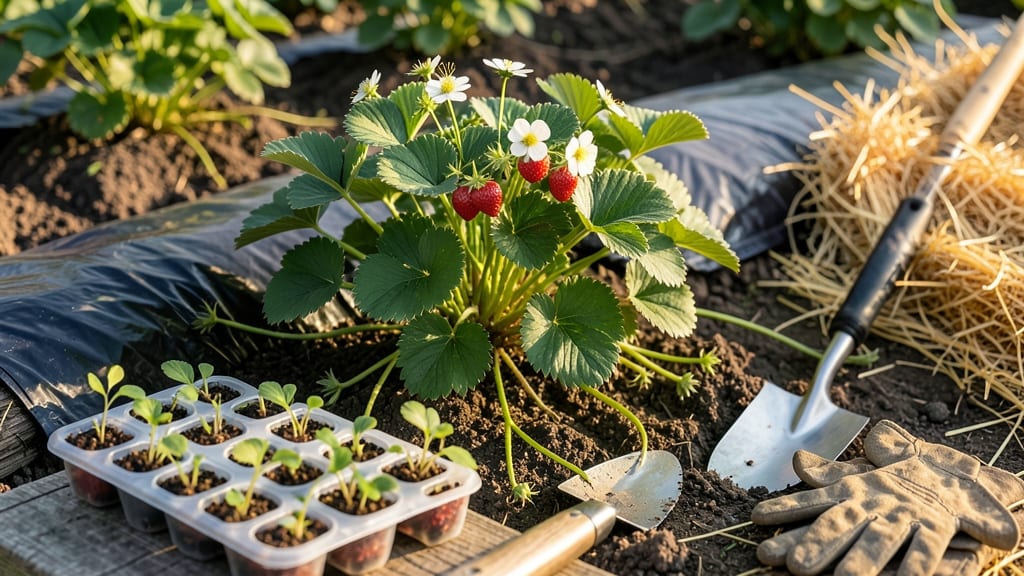
Planting strawberries in Ohio at the wrong time means missing out on sweet, abundant harvests—or worse, losing your plants to frost. The key to success lies in matching varieties to Ohio’s chill hours and timing your planting window perfectly, whether you’re growing hardy June-bearers or everbearing types.
Ohio’s Zone 6a climate gives you two prime chances: late March to early April (after the last frost) or September to early October for fall planting. But not all strawberries thrive on the same schedule—June-bearing varieties need chill hours to set fruit, while everbearing types are more flexible.
I’ll break down the exact timing, soil prep tips, and regional tricks to ensure your 🍓 plants take root strong and produce berries like a pro. Let’s get those strawberries in the ground the right way—so you can enjoy that first harvest without the guesswork.
From avoiding common mistakes to leveraging Ohio State University Extension’s research, you’ll have everything you need to plant confidently. Ready to turn your garden into a strawberry patch that rivals the grocery store?
Ohio’s best planting windows for hardneck strawberries by chill-hour requirements
Ohio’s climate—with its 500–1,000 chill hours—demands precision when planting hardneck strawberries. These varieties thrive when given the right timing, whether you’re planting in spring or fall.
Skipping this step often leads to weak plants or poor fruit production. The key? Matching your chill-hour zone with the right variety and soil temperature.
For Ohio gardeners, the ideal planting windows are late March to early April (spring) or September to early October (fall). Spring planting relies on soil temperatures warming to 40°F or above, while fall planting lets plants establish roots before winter dormancy.
Both methods work, but fall planting often yields stronger plants by next season.
Ohio’s hardneck strawberry varieties like 'Jewel', 'Honeyoye', and 'Sparkle' are well-suited to the state’s climate. Each has specific chill-hour needs and soil temperature thresholds for optimal growth.
For example, 'Jewel' requires 700–900 chill hours, while 'Honeyoye' thrives with 500–700 chill hours. Choosing the right variety ensures your plants flower and fruit reliably.
Here’s how to align your planting with Ohio’s chill-hour zones and soil conditions:
| Planting Window | Chill-Hour Zone | Soil Temperature | Best Varieties | Notes |
|---|---|---|---|---|
| Late March–Early April | 500–700 hours | 40°F+ (consistent) | 'Honeyoye', 'Sparkle' | Plant after last frost; mulch heavily for winter protection. |
| September–Early October | 700–1,000 hours | 50°F+ (daytime) | 'Jewel', 'Chandler' | Plants establish roots before winter; less frost risk. |
| Early April (if soil is warm) | 500–900 hours | 45°F+ (minimum) | 'Seascape' (everbearing) | Monitor for late frosts; use row covers if needed. |
Spring planting in Ohio requires patience—wait until the soil temperature consistently stays above 40°F to avoid root damage. Use a soil thermometer to check; if it’s colder, delay planting.
For fall planting, aim for 6–8 weeks before the first frost (typically mid-October in Ohio). This gives roots time to establish before winter dormancy.
Ohio’s northern regions (e.g., Cleveland, Toledo) often have higher chill hours (800–1,000), making them ideal for 'Jewel' or 'Chandler'. Meanwhile, southern Ohio (e.g., Cincinnati, Columbus) with 500–700 chill hours suits 'Honeyoye' or 'Sparkle'. Always check your USDA Zone 6a frost dates to refine timing.
Pro tip: Amend your soil with compost or aged manure before planting to improve drainage and fertility. Hardneck strawberries prefer well-draining, slightly acidic soil (pH 5.5–6.8). Test your soil in early spring to adjust pH if needed—this step alone can double your yield.
After planting, mulch with straw or shredded leaves to retain moisture and suppress weeds. For spring-planted berries, remove mulch in early summer to encourage fruiting. For fall-planted berries, leave mulch in place until spring to protect roots from freeze-thaw cycles.
Timing isn’t just about months—it’s about microclimates. If your garden sits in a low-lying area, expect cooler soil temperatures and adjust planting dates accordingly. Conversely, south-facing slopes warm up faster, allowing earlier spring planting.
For Ohio gardeners, the fall planting window (September–early October) often yields the best results. Plants establish roots before winter, leading to earlier and larger harvests the following year. If you miss fall, don’t despair—spring planting still works, but requires extra care to protect young plants from late frosts.
🌱
Step-by-Step fall planting guide for Ohio growers (critical for year-round success)
Fall planting gives Ohio strawberries a head start on root growth before winter, leading to bigger harvests next year. The key window is late August through early September, when soil temps dip below 80°F but stay above freezing. This timing lets plants establish roots without overheating or frost stress.
Hardneck varieties like 'Jewel' and 'Sparkle' thrive with fall planting because they need 500–1,000 chill hours. Planting now ensures they’ll meet Ohio’s Zone 6a requirements and produce robust runners next spring. Everbearing types also benefit but have more flexibility.
Here’s your step-by-step checklist for foolproof fall planting:
- 🌱 Step 1: Test & Prep Soil
Use a pH test kit to confirm soil is 5.5–6.8. Amend with compost or peat moss if needed. Till to 12 inches deep for drainage. - 🪴 Step 2: Choose Healthy Plants
Buy bare-root plants or container-grown varieties with firm crowns. Avoid wilted leaves or moldy roots. - 📏 Step 3: Dig & Space Properly
Dig holes 12–18 inches apart in rows 3–4 feet apart. Place crowns 1 inch above soil—never deeper. - 💧 Step 4: Water Immediately
Soak roots with 1 gallon of water per plant. Keep soil moist (not soggy) for 2 weeks post-planting. - 🌿 Step 5: Mulch Heavily
Apply 4–6 inches of straw mulch (not leaves) to insulate roots. Replenish in winter if needed. - ✂️ Step 6: Prune & Protect
Trim old leaves to 1 inch above crown. Cover with frost cloth if temps drop below 20°F. - 📅 Step 7: Fertilize Lightly
Apply 1 tbsp 10-10-10 fertilizer 4 weeks after planting. Avoid high nitrogen—it encourages leafy growth over roots.
After planting, mark your strawberry beds with stakes to avoid disturbing roots in spring. Ohio’s first frost (around October 15) won’t harm established plants—just ensure mulch stays thick. By next June, you’ll see vigorous new growth and a bountiful harvest.
Pro tip: Label your varieties now to track which plants produce the sweetest berries. Over time, you’ll refine your planting strategy based on what thrives in your microclimate.