
Planting
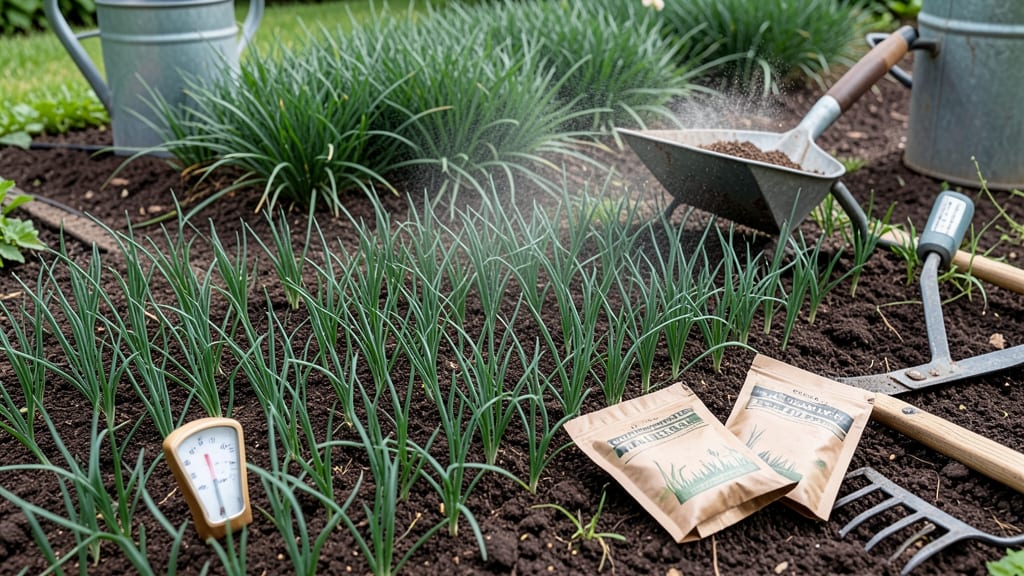
Planting your 🌱 Grass (Turfgrass) at the wrong time in spring can turn your dream of a lush lawn into a frustrating wait for patchy, slow growth.
The secret to success? Timing it right when soil temperatures and frost patterns align just enough to give those seeds the best possible start.
Most gardeners in USDA Zone 6a (like me!) wait until 4-6 weeks before the last frost—typically mid-March to early April—but that’s just the beginning. The real magic happens when soil warms to 55-65°F, signaling it’s time to roll up your sleeves and get planting.
Too early? Seeds may rot. Too late? You risk summer heat stress before roots establish.
In this guide, I’ll break down exactly when to plant based on your region, how to prep your soil for maximum germination, and the 3 biggest mistakes that kill spring lawns before they even take off.
Whether you’re seeding a new yard or overseeding an old one, these tips will help you avoid the common pitfalls.
Ready to grow a lawn that’s the envy of the neighborhood? Let’s dive into the perfect planting window—and how to keep your grass thriving once those first green shoots appear.
Ideal soil temperature and frost-free timeline for spring grass planting
Getting your spring grass planting timing right is everything—plant too early, and frost will kill your seeds; too late, and summer heat stresses new roots. The perfect window depends on two critical factors: soil temperature and your local frost-free date.
For most cool-season grasses like Kentucky bluegrass or fescue, aim for soil temps between 40°F and 55°F, while warm-season grasses like Bermuda or Zoysia thrive when soil hits 65°F to 75°F. Let’s break down how to calculate your ideal planting window.
First, check your last frost date—this is your anchor. Plant 4-6 weeks before the average last frost for cool-season grasses, giving seeds time to germinate before summer heat arrives. For warm-season grasses, wait until 2-3 weeks after your last frost, when soil warms consistently.
Use the USDA Plant Hardiness Zone Map to estimate your frost dates, but always verify with your local agricultural extension office for hyper-local accuracy.
Soil temperature is just as critical as frost dates. Use a soil thermometer to check temps at 4-inch depth—this is where seeds will germinate. For cool-season grasses, soil should stay above 40°F for germination to begin.
If temps dip below 32°F, seeds risk frost damage. Warm-season grasses, however, need soil above 65°F to activate growth hormones. Planting too early in warm soil can lead to seed rot or weak seedlings.
Regional differences matter. In the Northern U.S. (Zones 3-5), start planting cool-season grasses in early April, while Southern states (Zones 7-10) can plant as early as February for warm-season types.
For example, in Zone 6a (like Chicago or Denver), aim for late March to early April—when soil temps hit 50°F and frost risk drops below 20%. Adjust for microclimates: shady spots cool slower, while sunny areas warm faster.
Here’s your quick-reference guide for planting windows by grass type and climate zone:
Calculating your frost-free timeline starts with your local 30-year average. For example, if your last frost is April 15, plant cool-season grass by March 1 to ensure germination before summer heat. Use the National Oceanic and Atmospheric Administration (NOAA) website or a frost calendar app for precise dates.
Pro tip: Add a 10-day buffer for unpredictable weather—late frosts can still occur in Zone 6a or colder.
Once you’ve nailed your planting window, monitor soil moisture. New grass seeds need consistent moisture to germinate—aim for 1–1.5 inches of water per week, either from rain or irrigation. Use a sprinkler with gentle mist to avoid displacing seeds.
Avoid walking on the seedbed until you see 2–3 inches of grass growth, typically 3–4 weeks after planting. This protects delicate seedlings from compaction.
For Northern climates (Zones 3–5), prioritize early spring planting to take advantage of cooler soil temps and longer daylight hours, which boost germination. In Southern climates (Zones 7–10), focus on late spring to avoid summer drought stress.
If you miss the spring window, some cool-season grasses can be planted in early fall, but warm-season types must wait for spring.
Remember: Soil temperature trumps calendar dates. If your soil is too cold, seeds won’t germinate—no matter how early you plant. Conversely, if soil is too warm
How to prepare your lawn for spring grass planting (step-by-step)
Spring is the perfect time to transform your lawn, but proper preparation is key to ensuring your grass seeds germinate and grow into a thick, vibrant carpet. Skipping these steps can lead to poor germination, weed competition, and uneven growth.
I’ve planted grass in three different climates, and I can tell you—soil prep makes all the difference. Let’s break it down into actionable steps so you can achieve that lush, green lawn you’ve been dreaming of.
Before you even think about spreading grass seed, your lawn needs a clean slate. This means removing debris, testing your soil, and creating the ideal conditions for seed-to-sprout success. I recommend starting 4-6 weeks before your target planting date—this gives you enough time to address any issues without rushing.
Think of it like preparing a blank canvas: the more time you spend on the foundation, the better your final result will be.
Spring Lawn Prep Checklist
- 1 Test your soil – Use a soil test kit to check pH and nutrient levels. Most grasses thrive in pH 6.0-7.0. If your soil is too acidic or alkaline, amend it with lime (to raise pH) or sulfur (to lower pH) 2-3 weeks before planting.
- 2 Aerate compacted soil – Rent a core aerator to create small holes (3/8" diameter) every 2-3 inches. This allows seeds to make direct contact with soil and improves water and nutrient absorption. Do this on a dry day for best results.
- 3 Remove weeds and debris – Pull weeds by hand or use a pre-emergent herbicide if weeds are a major issue. Rake the lawn to clear away thatch and dead grass, leaving a smooth, even surface for seed distribution.
- 4 Loosen topsoil – Use a garden rake to scratch the surface lightly, creating a rough texture that helps seeds grip. Avoid tilling too deeply, as this can bury seeds too deeply and prevent germination.
- 5 Add compost or fertilizer – Spread a thin layer of compost (1/4 inch) or a starter fertilizer (high in phosphorus) to provide essential nutrients for seed germination. Work it into the top inch of soil with a rake.
- 6 Level the seedbed – Fill in any low spots with topsoil and rake again to create a uniform surface. This ensures even seed distribution and prevents water pooling, which can drown seeds.
- 7 Lightly water the area – Moisten the soil 1-2 days before planting to encourage seeds to germinate quickly once they’re spread. Aim for 1/4 inch of water to prepare the soil without creating puddles.
Once your lawn is prepped, you’re ready to spread your grass seed. I recommend using a broadcast spreader for even coverage, and always follow the seed package instructions for application rates. After planting, keep the soil consistently moist (not soggy) for the first 2-3 weeks—this is critical for germination.
A light layer of straw mulch can help retain moisture and protect seeds from birds.
Proper preparation isn’t just about timing—it’s about creating the right conditions for your grass to thrive. I’ve seen lawns fail because homeowners skipped aeration or didn’t adjust their soil pH, only to struggle with patchy growth all season.
By following these steps, you’ll give your new grass the best possible start, leading to a thicker, greener lawn that stands up to foot traffic and weather. Happy planting!