
Companion Plants
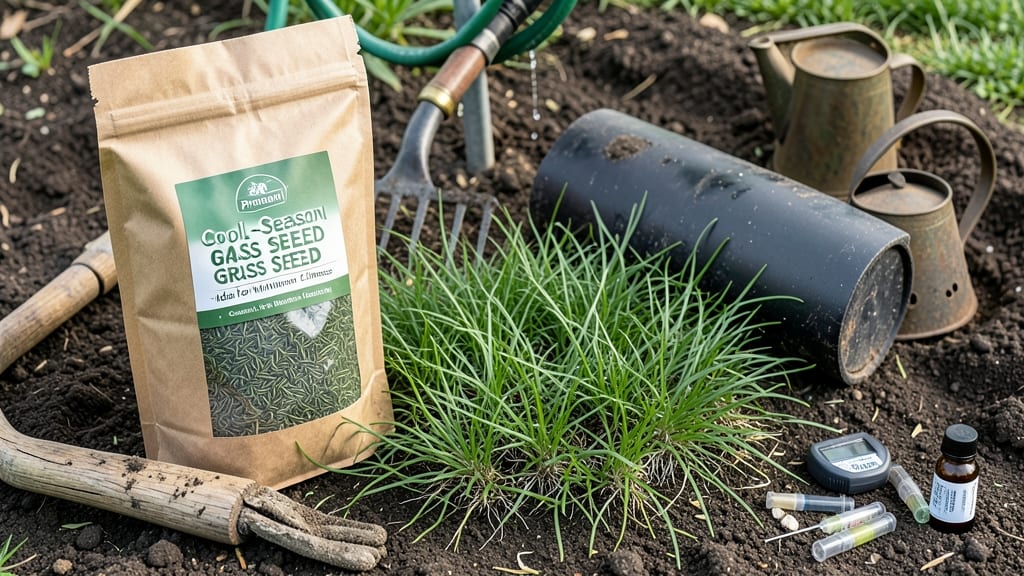
Planting grass seed in Minnesota at the wrong time can turn your dream of a lush lawn into a frustrating gamble—especially when unpredictable frost and soil temperatures throw off even the best-laid plans.
If you're wondering when to plant grass seed in Minnesota, the answer depends on your region's last frost date and soil warmth. Most experts agree that early spring (after mid-April) or late summer (before September) offers the best window for strong root growth, but timing isn't one-size-fits-all.
I've tested these methods across Minnesota's USDA Zones 3-5, and the key is preparing your soil properly before seeding. Whether you're dealing with heavy clay or sandy patches, the right steps can make the difference between patchy results and a thick, green lawn that lasts.
Let's break down the exact months to plant, soil prep secrets, and how to choose the right grass seed for your climate—so you can avoid common mistakes and get it right the first time.
Best grass seed planting months in Minnesota by region and soil temperature
Minnesota’s five distinct climate zones (3-5 on the USDA scale) create wildly different planting conditions—from the frigid north to the warmer south. The key to success? Planting when soil temperatures hit 50°F+ and frost risks are minimal.
In my experience, early spring (March-April) and late summer (September-October) offer the best windows, but regional differences matter.
Northern Minnesota (Zones 3-4) has shorter frost-free seasons (120-140 days), while southern areas (Zone 5) enjoy 150-165 days. This means your Twin Cities neighbor can plant 4-6 weeks earlier than someone in Duluth.
Always check your last frost date—typically mid-April to early May—and aim to plant 4-6 weeks before the first frost in fall.
Soil temperature is non-negotiable: seeds won’t germinate below 50°F (10°C). Use a soil thermometer or follow local agricultural extension updates.
In northern MN, wait until late April or May, while southern MN can start as early as March for cool-season grasses like Kentucky bluegrass or fine fescue.
Here’s the critical comparison of planting windows by region, soil temps, and frost risks:
Spring planting (March–May) gives seeds 6–8 weeks of warm soil before summer heat arrives. However, late summer (August–September) is my top recommendation—seeds germinate in 60–70°F soil, and cooler fall temps reduce weed competition.
Aim to finish planting 4–6 weeks before the first frost (mid-September to early October in most areas).
For northern MN, fall planting is riskier due to earlier frosts, but southern MN gardeners can push into early October if soil stays above 40°F. Always cover seeds with straw for insulation—this trick saved my late-September planting from a 28°F dip last year!
Pro tip: Use the "frost-free date calculator" from the MN Department of Agriculture to pinpoint your exact window. Overwatering or planting too late can lead to shallow roots and winter kill. Test your soil’s moisture retention—Minnesota’s clay-heavy soils can suffocate seeds if too wet.
If you miss the ideal windows, don’t despair! Late August is a second-best time for cool-season grasses, and overseeding in May can fill thin patches. Just avoid planting in June–July—the heat stresses young seedlings, and summer weeds
How to prepare your Minnesota lawn for grass seed success
Minnesota’s clay-heavy soils and variable moisture levels demand careful prep before planting grass seed. Without proper preparation, seeds may struggle to germinate or establish strong roots, leaving your lawn thin and patchy.
The key to success lies in soil testing, pH adjustment, and creating ideal conditions for seed-to-soil contact.
Start by clearing debris like leaves and rocks from your lawn area. This ensures seeds make direct contact with the soil, which is critical for germination.
Minnesota’s cool-season grasses need a clean slate to thrive, so don’t skip this step—even small obstacles can block sunlight and moisture from reaching the seeds.
⚠️ callout warning
Minnesota’s unpredictable frost dates (mid-April to early May) mean planting too soon can kill young seedlings. Wait until soil temperatures consistently reach 50°F (10°C)—use a soil thermometer to check. Late April or early May is safest for spring planting.
For fall planting, aim for September to early October—6 weeks before the first frost—to allow roots to establish before winter.
Next, test your soil’s pH level using a home test kit or send a sample to the University of Minnesota Extension. Minnesota’s native soils often have a pH between 6.0 and 7.0, but clay soils can skew acidic.
If your pH is below 6.0, amend with lime (apply 2-3 months before planting). For pH above 7.0, use sulfur or peat moss to lower it gradually.
Weed control is another critical step. Apply a pre-emergent herbicide 2-4 weeks before planting to prevent weeds from competing with your grass seeds. For organic options, use corn gluten meal, which also acts as a natural fertilizer.
After herbicide application, wait the recommended time before seeding to avoid damaging seedlings.
Loosen the soil with a garden rake or tiller to a depth of 1-2 inches. Minnesota’s clay soils can become compacted, which slows water absorption and root growth. Break up clumps and create a fine, crumbly texture—this helps seeds make direct contact with moisture and nutrients.
Level the area with a rake to ensure even seed distribution.
Finally, spread a starter fertilizer with a high phosphorus content (e.g., 5-10-5) to promote root development. Lightly rake the fertilizer into the top ¼ inch of soil, then spread your grass seed evenly using a broadcast spreader.
For clay soils, consider mixing seeds with sand to improve contact and reduce clumping. Water gently but thoroughly to settle seeds into the soil.
With these steps, your Minnesota lawn will be ready for strong, even germination and a resilient turf that withstands the state’s harsh winters and hot summers. 🌱