
Plants
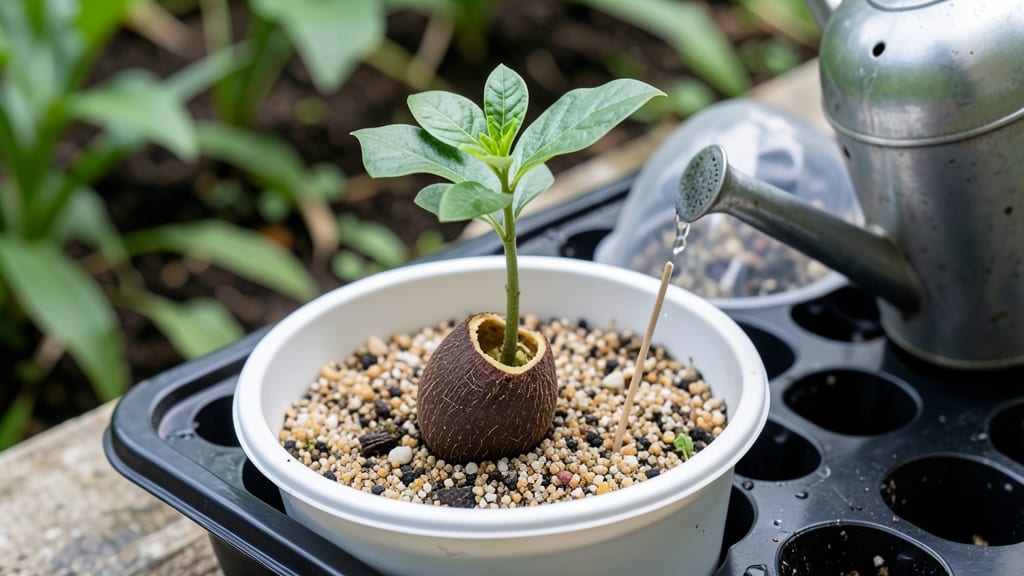
Planting an avocado seed in soil at the wrong time can mean the difference between a thriving 🥑 sapling and a sad, mushy mess. The key isn't just about the calendar—it's about understanding your climate and the seed's delicate readiness to transition from water to soil.
If you're in a frost-free zone, you can start anytime, but gardeners in Zone 6a should wait until after the last frost—typically mid-April—to avoid shocking tender roots. The secret to faster sprouts? Planting when your seed has already sprouted roots in water, not before.
I’ve learned the hard way that rushing this step leads to rot, while waiting too long risks drying out the seed. Whether you're growing indoors or outdoors, timing matters more than you think.
Let’s break down the exact window—and what to watch for—to give your seed the best shot at becoming a strong young tree.
From soil prep to early care, I’ll share the fastest way to get your avocado seed off to a great start. No guesswork, just proven tricks for gardeners at every level.
Best time of year to plant avocado seeds in soil for germination
Timing your avocado seed planting is key to avoiding rot or stunted growth. Unlike mature trees, young seeds thrive in warm, stable temperatures—whether indoors or outdoors. In temperate zones, aim for spring planting (after last frost), while tropical climates allow year-round soil planting.
The secret? Soil warmth (above 65°F) triggers faster germination.
Most gardeners start by germinating seeds in water (takes 2–8 weeks), then transition to soil once roots form. This two-step process works best when soil temps are consistently warm.
For indoor starters, you can plant any time, but outdoor soil should be at least 60°F to prevent shock. Cold soil slows root growth and invites disease.
Here’s the critical rule: Never plant a dry seed directly in soil—it’ll suffocate. Instead, pre-soak seeds for 3–5 days in water until roots sprout. Then, transfer to well-draining soil when roots are 1–2 inches long.
This method works in USDA Zones 9–11 year-round and Zones 6–8 from May–September.
| Climate Zone | Best Planting Window | Soil Temp Requirement | Indoor vs. Outdoor |
|---|---|---|---|
| Tropical (Zones 10–12) | Year-round | 65°F+ (always) | Outdoor anytime |
| Temperate (Zones 7–9) | March–October | 60°F+ (spring) / 70°F+ (summer) | Indoor winter, outdoor spring–fall |
| Cold (Zones 6–8) | May–September | 70°F+ (minimum) | Indoor winter, outdoor late spring–early fall |
| Containers (Any Zone) | January–December | 65°F+ (indoor warmth) | Indoor year-round |
In temperate zones, aim to plant seeds in soil by late spring (after May 15 in most areas). This gives roots time to establish before fall cooling.
For container growing, you can start anytime—just keep pots near a south-facing window or under grow lights for 12+ hours of light daily. Without enough light, seedlings become leggy and weak.
Pro tip: Use a soil thermometer to check temps before planting outdoors. If soil is below 60°F, wait 1–2 weeks or start seeds indoors. Cold soil delays germination by weeks, and frost will kill young roots.
In Zone 6a, this means waiting until after April 15—unless you’re using a heated propagator.
For fastest germination, plant seeds in soil when they’ve developed 1-inch roots but haven’t yet grown leaves. This stage (usually 4–6 weeks after soaking) ensures the seedling has energy to establish in soil.
Use a light, airy potting mix (50% perlite, 50% peat) to prevent rot. Overwatering is the #1 killer of young avocado seedlings!
If you live in a cool climate, start seeds indoors in February–March and move them outdoors in May. This head start lets seedlings reach 1–2 feet tall before winter, giving them a survival advantage.
In warm climates, you can direct-sow seeds in soil anytime, but summer planting (June–August) often yields faster growth due to longer daylight hours.
Remember: Patience is key. Avocado seeds can take 2–6 months to sprout in soil, depending on warmth. If your seed hasn’t sprouted in 8 weeks, it may be non-viable.
Don’t give up—try a fresh seed! With the right timing and care, your avocado seedling could grow into a fruit-bearing tree in 5–13 years. 🌱
For container gardeners, extend the growing season by moving pots indoors before first frost. Place them near a bright window or under LED grow lights to maintain growth.
In USDA Zone 6a, this means bringing seedlings inside by October 15 to avoid frost damage. With proper timing, your avocado tree will thrive year after year! 🥑
Signs your avocado seed is ready to plant (don’t wait too long!)
Your avocado seed won’t sprout overnight—it needs the right conditions to signal readiness. First, check for a root system of at least 2-3 inches growing from the bottom. This indicates the seed has absorbed enough moisture and nutrients to survive in soil.
If roots are sparse or brown, the seed may be rotting and needs immediate action.
Next, examine the seed’s firmness. A ready seed should feel slightly soft but not mushy—like a ripe avocado pit. Press gently; if it gives way easily, it’s overhydrated. A dry, hard seed won’t germinate, so soak it in water for 24 hours to revive it before planting.
Moisture is another critical clue. The seed should stay lightly damp but not soggy. If it feels dry or has a white, fuzzy mold, it’s past its prime. Use a moisture meter or stick your finger in the water to test—it should feel cool and slightly wet, not clammy.
⚠️ callout-warning
Avocado seeds planted too early (with weak roots) rot in soil. Wait until roots are 2+ inches long and firm. Planting too late (after roots dry out) kills germination. Revive dried seeds by soaking in water for 24 hours before replanting.
Pro Tip: Check roots weekly—don’t skip this step!
Look for a small sprout emerging from the top or side of the seed. This means the seed has broken dormancy and is ready to transition to soil.
If the sprout is yellow or wilted, the seed may be stressed—trim it back and let the seed recover in water for another week.
Avoid the common mistake of planting a seed with only a tiny root. These seeds lack the energy to establish in soil and often die within days. Instead, wait until roots are thick and white, signaling the seedling can support itself. Patience here ensures a healthier transplant.
Finally, test the seed’s weight. A ready seed feels heavier than its size suggests—this means it’s hydrated and nutrient-dense. If it feels light, it’s dehydrated.
Place it in a jar of water for 12 hours to rehydrate before planting. Once you see these signs, your avocado seed is primed for soil!