
Trees
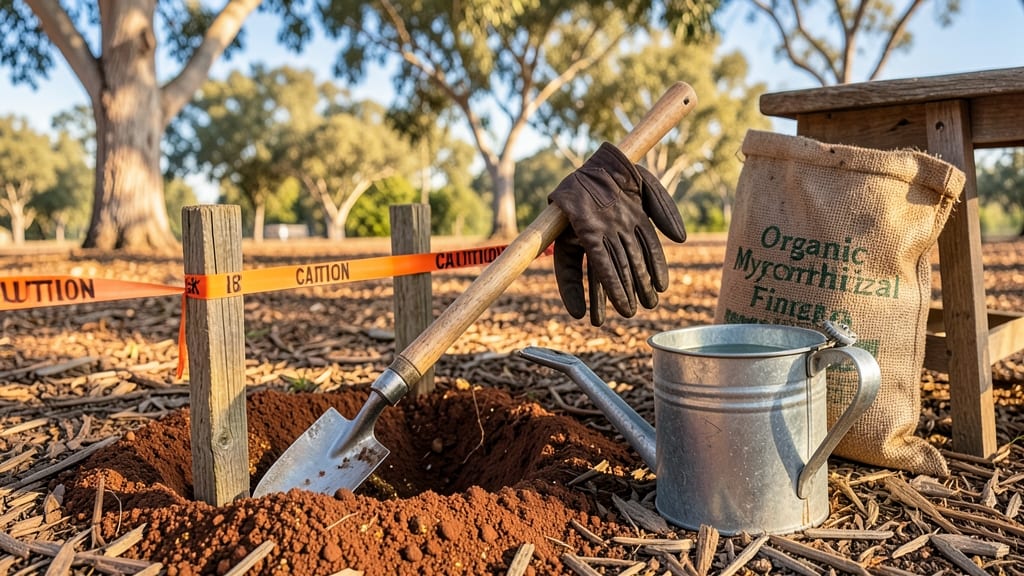
Planting a 🌳 Tree (General) in Utah isn’t just about grabbing a sapling and digging a hole—it’s about when is the best time to plant trees in Utah so your tree stands the best chance to thrive in Utah’s dramatic shifts from freezing mountain air to scorching desert heat.
If you plant too early, frost can damage tender roots; too late, and summer’s intensity will stress your young tree before it’s established.
The best time depends on where you live—whether you’re in the Wasatch Front’s cooler valleys or the high desert’s dry expanses—but the window narrows to just a few months each year.
I’ve seen firsthand how a well-timed planting can turn a struggling sapling into a towering shade provider within a decade. In this guide, I’ll break down the ideal months for your specific Utah zone, plus the pro tips that’ll help your tree beat the odds—no matter which microclimate you’re in.
Ready to set your tree up for success? Let’s dive into the science and secrets behind Utah’s planting calendar.
Utah’s microclimate zones: ideal planting months by elevation and region
Utah’s dramatic elevation shifts—from the Wasatch Mountains at 10,000+ feet to the Great Salt Lake Desert below 4,000 feet—create wildly different planting windows for trees.
In southern Utah’s red rock country, for example, the last frost arrives by March 1st, while Park City’s alpine zones may see snow until June. Understanding these microclimates ensures your tree thrives from day one.
For most of Utah, the best planting window falls between late winter (March) and early spring (April) or early fall (September-October). This timing aligns with soil workability, moisture availability, and the tree’s natural dormancy cycles.
However, desert regions like St. George can plant as early as February, while high-elevation areas like Ogden may wait until May to avoid late frosts.
Soil temperature is your best guide: aim for 40–60°F at a 6-inch depth. In Utah’s Front Range, this typically means April for spring planting and September for fall. Meanwhile, southern Utah’s alkaline soils dry out faster, demanding earlier fall planting (August) to capitalize on residual monsoon moisture.
Moisture availability varies drastically. The Wasatch Front benefits from spring snowmelt, while the Colorado Plateau relies on summer thunderstorms. Planting in September takes advantage of fall rains in northern Utah, whereas desert zones may require drip irrigation year-round for new trees.
Here’s a region-by-region breakdown of Utah’s ideal planting months, tailored to elevation, frost dates, and soil conditions:
In northern Utah’s valleys, like Cache Valley, September planting is ideal because cooler temps and fall rains reduce transplant shock. Meanwhile, St. George’s extreme heat makes August planting preferable—before 100°F+ temperatures arrive.
For container-grown trees, you can plant anytime soil isn’t frozen, but bare-root trees must go in during dormancy (November–March).
Utah’s high-elevation zones, such as Ogden Canyon or Little Cottonwood, have shorter growing seasons. Here, late May to early June is the only safe window for spring planting, while August remains frost-free for fall options.
Always check USDA Zone 5b–9a guidelines, but remember: microclimates override zone maps in Utah.
For desert-adapted trees like Pinyon Pine or Desert Willow, late winter planting (February) taps into spring moisture before summer drought sets in. In contrast, fruit trees in Park City need September planting to establish roots before subzero winter temps arrive.
Pro tip: Mulch heavily (3–4 inches) after planting to retain moisture, especially in sandy soils like those in Spanish Fork. In clay-heavy areas such as Salt Lake City’s foothills, gypsum amendments improve drainage for new roots.
Timing isn’t just about months—it’s about soil temperature, moisture availability, and tree species. Use a soil thermometer to confirm readiness, and always water deeply after planting to encourage root growth into Utah’s drought-prone soils. 🌳
Critical factors that determine success: soil, water, and tree species
Utah’s diverse soil types—from clay-heavy valleys to alkaline desert soils—can make or break your tree’s survival. Clay soils retain moisture but suffocate roots, while sandy soils drain too quickly, leaving young trees thirsty.
Even alkaline soils (common in Utah) can lock out essential nutrients like iron, stunting growth. The right amendments, like compost or sulfur, can transform these challenges into opportunities for thriving trees.
Water availability is another dealbreaker in Utah. Drought-tolerant species like juniper or pinyon pine thrive with minimal irrigation, while maples or fruit trees demand consistent moisture. Deep watering—not frequent light sprinkles—encourages roots to grow downward, where they’ll find stability.
In Utah’s high-desert climates, mulch acts like a moisture blanket, reducing evaporation by up to 30%.
Choosing the right tree species for your soil and water conditions is non-negotiable. Aspens, for example, love moist, well-draining soils and struggle in Utah’s arid zones, while Russian olive or four-wing saltbush are drought warriors built for Utah’s extremes. Evergreens like juniper handle alkaline soils better than deciduous trees, which may yellow or drop leaves if stressed.
Soil Type | Best Tree Choices & Prep
Clay Soil
Sandy Soil
Alkaline Soil
Before you dig, test your soil—Utah’s University of Utah Extension offers free kits or digital guides. pH levels above 8.0 (common in Utah) can block nutrient uptake, so amend with elemental sulfur if needed.
For watering, install a drip irrigation system to deliver moisture directly to roots, saving up to 50% water compared to sprinklers.
Your tree species should match your site conditions. Aspens and maples need moisture-rich soils and regular watering, while juniper and mesquite thrive on neglect. Native Utah trees—like quaking aspen or Utah juniper—are your best bet for low-maintenance success.
They’ve evolved to handle Utah’s extreme temperature swings and limited rainfall.
Skip the pre-planting checklist, and you’re asking for trouble. Test soil, amend as needed, dig a hole twice as wide as the root ball, and water deeply before planting. Mulch with wood chips (not rocks) to protect roots and retain moisture.
In Utah’s high deserts, a 3-inch mulch layer can mean the difference between survival and failure during 100°F summers.