Plants
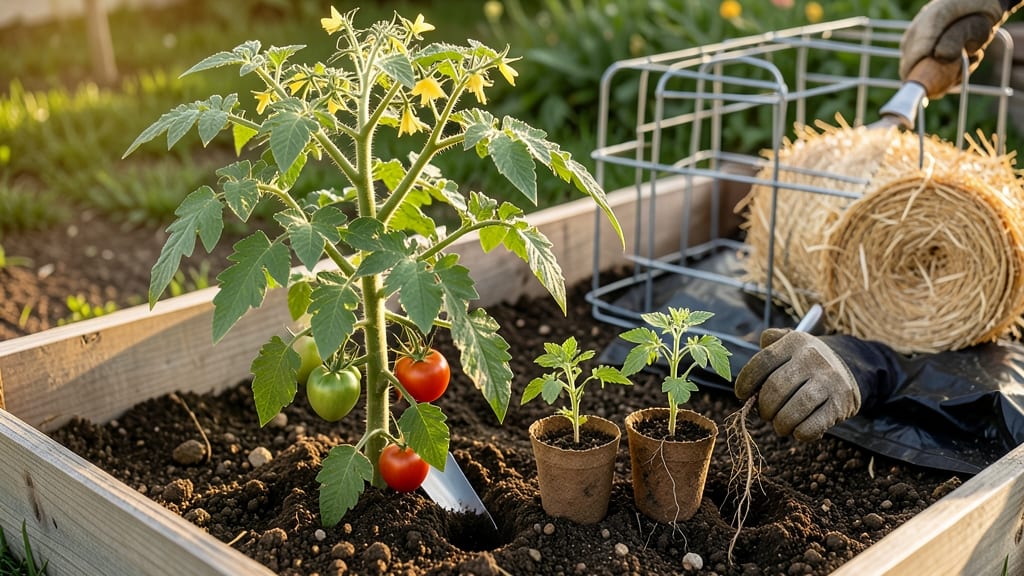
Planting your 🍅 tomatoes at the right time in North Carolina can make or break your harvest—get it wrong, and you might end up with frost-nipped seedlings or heat-stressed vines before they even produce fruit.
With five distinct climate zones across the state, the perfect planting window varies dramatically from the mountains to the coast.
In the Piedmont, where most gardeners live, you’ll want to time your transplants for after the last frost—typically April 15 to June 1—but coastal areas like Wilmington can safely plant even earlier. The key? Knowing your local frost dates and adjusting for heat tolerance.
I’ve grown tomatoes in North Carolina for years, and the biggest mistake I see is rushing the season. Whether you’re starting seeds indoors in March or transplanting hardened-off seedlings, the right timing ensures your plants thrive from seed to harvest.
Let’s break down exactly when—and how—to plant for your specific region.
You’ll learn how to avoid common pitfalls like planting too early in the mountains or choosing heat-sensitive varieties for the Coastal Plain.
With the right strategy, you could be enjoying homegrown tomatoes as early as June and stretching your harvest well into October—or even later with a few smart adjustments.
North Carolina county-specific tomato planting dates by climate zone
North Carolina’s diverse climate zones create wildly different planting windows for tomatoes. From the cool mountain valleys to the humid coastal plains, knowing your last frost date and heat tolerance needs is critical.
I’ll break down the five key zones—Mountains, Piedmont, Coastal Plain, Sandhills, and Tidewater—to help you time your plantings perfectly for a zero-frost harvest. 🌱
Timing matters most in North Carolina because a late frost can wipe out seedlings overnight, while southern zones demand heat-tolerant varieties that won’t sizzle in 95°F+ temps.
Whether you’re transplanting seedlings or direct sowing, these zone-specific windows will maximize your tomato yield and avoid common pitfalls like blossom drop or fungal diseases. Let’s dive into the details by region. ☀️
In the Mountains, where late frosts are common, wait until May 10 to transplant seedlings outdoors. I’ve seen gardeners in Asheville lose entire crops by planting too early—so patience pays off here.
For the Piedmont, where frost dates shift from late March to early April, aim for April 15 to avoid blossom end rot from temperature swings. 🌿
The Coastal Plain and Tidewater zones offer the earliest planting windows, but heat tolerance becomes critical. Varieties like ‘Heatmaster’ can handle 95°F+ temps without wilting, while ‘Early Girl’ will bolt in southern humidity. I recommend starting seeds indoors by February 15 for a head start in these zones. ⏰
For direct sowing, soil temperature matters more than air temperature. Use a soil thermometer to confirm 60°F+ before dropping seeds—cold soil delays germination. In sandy Sandhills regions, mulch heavily to retain moisture, while clay-heavy Piedmont soils benefit from raised beds.
These adjustments can add 2–3 weeks to your growing season. ✂️
One common mistake I see is ignoring staggered planting. Instead of planting all your seedlings at once, space them out by 2 weeks to extend harvests from June to October. For example, in Raleigh, plant
How to adjust tomato planting dates for early or late seasons in North Carolina
North Carolina’s diverse microclimates mean your tomato planting strategy in Asheville won’t work in Wilmington. Early frosts in the mountains can strike by April 15, while coastal areas often enjoy frost-free growing until November.
The key? Flexible timing tactics that protect your plants from unpredictable weather while maximizing your harvest window.
I’ve learned that staggered planting and season-extending tools are my secret weapons. For example, in Raleigh’s Piedmont climate, I plant my first batch of tomato seedlings on April 1 under row covers, then follow with two-week intervals until May 15.
This ensures a continuous harvest from July through October—no wasted tomatoes!
🌱 4 Pro Tips for Adjusting Your Tomato Planting Dates
- 1 Frost-Proofing Strategies: Use black plastic mulch (raises soil temp by 5–8°F) or floating row covers to plant 2–3 weeks before last frost in mountain regions like Boone. This buys critical time for seedlings to establish roots before late spring frosts hit.
- 2 Staggered Planting: In Piedmont zones (e.g., Greensboro), plant successive batches every 2 weeks (March 15, April 1, April 15) to avoid overproduction and bloom collapse during heatwaves. This spreads your harvest and reduces waste.
- 3 Heat-Tolerant Varieties: For Coastal Plain areas (e.g., Wilmington), skip ‘Early Girl’ and opt for ‘Celebrity’ or ‘Solar Fire’, which thrive at 95°F+. These varieties resist sunscald and continue fruiting when other plants bolt.
- 4 Real-Time Monitoring: Use the NC State Climate Tool to track frost forecasts and heat advisories. For example, if a late frost warning hits Asheville on April 20, cover your tomato seedlings with frost cloth or move potted plants to a sheltered location.
Don’t let unusual weather catch you off guard. In 2023, Wilmington experienced an early October frost that wiped out unprotected tomato plants. I switched to ‘Mountain Merit’ (disease-resistant) and used low tunnels to extend my harvest until November 15.
Even in warmer winters, like the mild 2020 season, I still hardened off seedlings gradually to avoid shock from sudden temperature swings.
For mountain gardeners, focus on early maturing varieties like ‘Stupice’ (45 days to harvest) and plant indoors by March 1.
In coastal areas, you can push the envelope with fall planting—sow seeds August 1–15 for a winter harvest if you use row covers to protect against light frosts. Just remember: soil temperature matters more than air temperature. Use a soil thermometer to confirm 60°F+ before planting.
Pro tip: If you’re in a transition zone (like Charlotte), split your planting strategy. Start 50% of seedlings indoors by March 15 and 50% outdoors after May 1 once the risk of frost has passed. This hedges your bets against both early and late season challenges.
🌱