
Plants
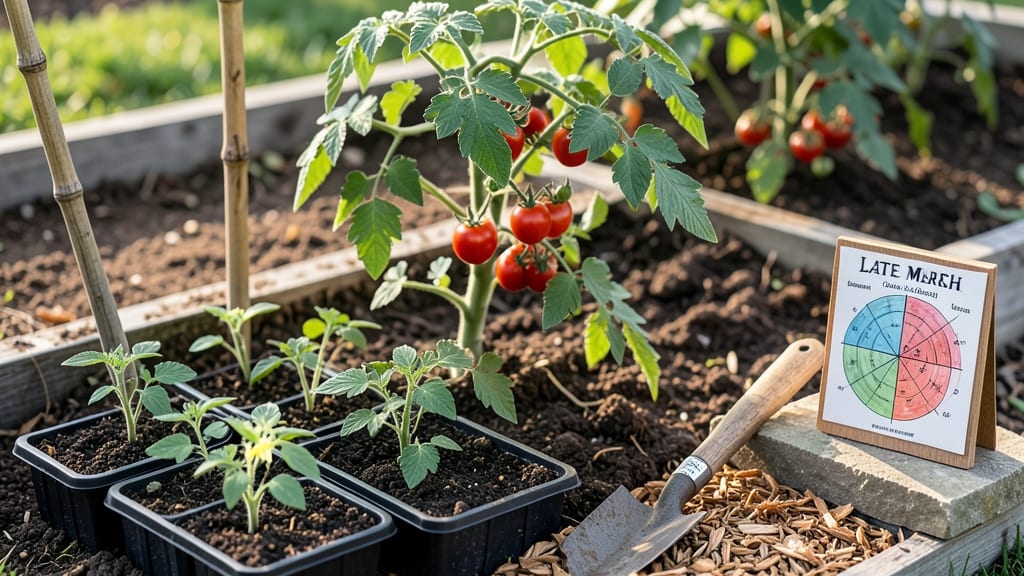
Planting tomatoes at the wrong time in California can turn your garden dreams into a sad, wilted mess—especially when you're just days away from that first juicy 🍅 harvest. The Golden State’s wild climate swings, from coastal fog to desert heat, make timing everything.
If you’ve ever watched seedlings struggle through unexpected chilly snaps or bolt in sudden heat waves, you know how critical the right window is.
But here’s the good news: with a few simple adjustments based on your local microclimate—whether you’re in 9b coastal fog or 11 desert heat—you can guarantee stronger starts and bigger yields.
I’ll break down the exact planting windows for your region, plus how to tweak your schedule for soil warmth, heat tolerance, and even late-summer surprises. No more guessing—just science-backed timing for tomatoes that thrive.
Ready to turn your garden into a tomato powerhouse? Let’s dive into the best times to plant for your California zone—and keep those vines happy all season long.
California’s tomato planting zones by region: coastal vs. desert vs. Valley timelines
California’s tomato planting success hinges on understanding your microclimate. The coastal fog of San Francisco keeps soil cool year-round, while the desert heat of Palm Springs can scorch seedlings in weeks. Even the Central Valley has frost pockets that catch growers off guard.
To avoid blossom drop or stunted growth, I’ve broken down the optimal planting windows for California’s five key regions, including heat tolerance thresholds for heirloom and hybrid varieties.
Your last frost date isn’t the only factor—soil temperature matters just as much. Tomatoes need 60°F soil to germinate and 50°F night temps to thrive.
Coastal areas like Santa Barbara can plant as early as February, while Inland Empire gardens often wait until April to avoid heat stress. Let’s dive into the specifics so you can time your plantings like a pro.
🌱 PRO TIP: Use a soil thermometer to confirm readiness—cooler coastal soils may need row covers, while desert soils might require shade cloth for young plants.
| Region | Optimal Planting Window | Last Frost Date | Heat Tolerance Threshold (°F) | Best Varieties |
|---|---|---|---|---|
| Coastal (San Francisco, Santa Barbara) | February–March (spring); August–September (fall) | None (year-round mild) | Up to 85°F (heirloom); 95°F+ (hybrid) | ‘Brandywine’, ‘Solar Fire’ (hybrid) |
| Central Valley (Sacramento, Fresno) | March–April (spring); September (fall) | Mid-December | 80–90°F (heirloom); 100°F+ (hybrid) | ‘Celebrity’, ‘Heatmaster’ (hybrid) |
| Desert (Palm Springs, Coachella) | April–May (spring); October (fall) | December 15 | 95°F+ (all varieties) | ‘Solar Set’, ‘Heatmaster’ (hybrid) |
| Sierra Foothills (Chico, Placerville) | April–May (spring); August (fall) | Late November | 75–85°F (heirloom); 90°F+ (hybrid) | ‘Stupice’, ‘Mountain Merit’ (hybrid) |
| North Coast (Redwood, Mendocino) | March–April (spring); July–August (fall) | Mid-December | Up to 80°F (heirloom); 85°F+ (hybrid) | ‘Cherokee Purple’, ‘Defiant PhR’ (hybrid) |
For coastal gardeners, the marine layer can delay planting until March, but heirloom varieties like ‘Brandywine’ thrive in these cooler conditions. If you’re in Santa Barbara, start seeds indoors in January for an early February transplant.
Meanwhile, desert growers must wait until April to avoid heat stress, even with heat-tolerant hybrids like ‘Solar Set’.
In the Central Valley, where frost pockets linger, I recommend row covers for early plantings.
The Sacramento area can safely plant in March, but Fresno’s hotter microclimates often wait until April. Hybrid varieties like ‘Celebrity’ handle the Valley’s heat better than heirlooms, which may bolt or develop blossom end rot.
If you’re in the Sierra Foothills, Chico’s cooler nights allow for April plantings, but Placerville’s elevation may push you to May. Mountain Merit, a disease-resistant hybrid, is my go-to for these areas.
For North Coast regions like Redwood, the cooler summers mean July–August is ideal for fall plantings, while ‘Defiant PhR’ resists verticillium wilt, common in these foggy climates.
One critical mistake I see is planting too early in warmer zones without shade cloth. In Palm Springs, seedlings can fry in 100°F+ soil. Instead, use black plastic mulch to warm the soil faster in spring or drip irrigation to keep roots cool. For coastal
How to adjust planting time for your specific microclimate: soil temp tests and heat wave strategies
Your tomato seedlings might be ready, but is your microclimate? California’s heat zones can shift dramatically between neighborhoods, making generic planting charts unreliable. For instance, a San Francisco garden might see 50°F nights in April, while Palm Springs hits 80°F by March.
These differences mean the perfect planting window for your tomatoes could be weeks apart even just 50 miles away.
To avoid heat stress or cold damage, I’ve learned to rely on three key tools: a soil thermometer, local weather alerts, and protective mulching.
For example, my coastal garden in Santa Cruz waits until soil hits 60°F (measured 6 inches deep), while my inland friend in Fresno plants Heatmaster tomatoes as soon as night temps stay above 55°F. The trick? Adjusting for your specific heat patterns—not just the calendar.
⚠️ callout warning ⚠️
Even heat-tolerant varieties like 'Solar Fire' can suffer if transplanted during a 90°F+ spell. Santa Ana winds (common in SoCal) can dry out soil 2x faster, while marine layer delays (coastal fog) may push your first frost-free date weeks later than expected. Pro Tip: Use a soil thermometer (not air temp!)—tomatoes need roots in 60-70°F soil to thrive.
Action Steps:
- Test soil temp 3 mornings in a row before planting.
- If nights drop below 55°F, use frost cloth or row covers.
- For desert zones, plant late varieties (e.g., 'Heatmaster') in August for fall harvests.
Start with a soil thermometer ($10 at garden centers) to check depths of 6 inches—this is where tomato roots thrive. For coastal areas, aim for 60-65°F; inland zones can handle 65-70°F.
I once planted heirloom tomatoes in 55°F soil in San Diego’s backcountry, and they struggled until roots warmed up. Pro Tip: Bury the thermometer for 24 hours to get an accurate reading—early mornings are best.
Mulching is your secret weapon against temperature swings. A 4-inch layer of straw or wood chips keeps soil 5-10°F cooler in summer and warmer in spring. In my Sacramento garden, mulch delayed soil cooling by 10 days after the first 50°F night.
For desert gardens, try white plastic mulch to reflect heat and reduce water loss by 30%. Just avoid black plastic—it bakes roots.
Watch for local weather patterns like Santa Ana winds (SoCal) or marine layer delays (coastal). My Santa Barbara friends swear by the National Weather Service’s "Marine Layer Forecast" to time their spring plantings.
If a heat wave is forecasted, delay planting by 1-2 weeks or use shade cloth (30-50% coverage) to protect seedlings. Even heat-loving varieties like 'Solar Set' can bolt if stressed.
For extended seasons, try fall planting in cooler zones. In USDA Zone 9b (e.g., Los Angeles), I’ve had success planting cherry tomatoes in late August for harvests through November.
Use dwarf varieties (e.g., 'Tiny Tim') to avoid wind damage and stake plants early to prevent toppling. Just monitor first frost dates—some inland valleys (like Madera) can drop to 30°F by December.
Remember: tomatoes are finicky about timing, but with these microclimate adjustments, you’ll beat the heat and chill like a pro. Start testing your soil temp this week—your juicy harvest depends on it! 🌱