
Plants
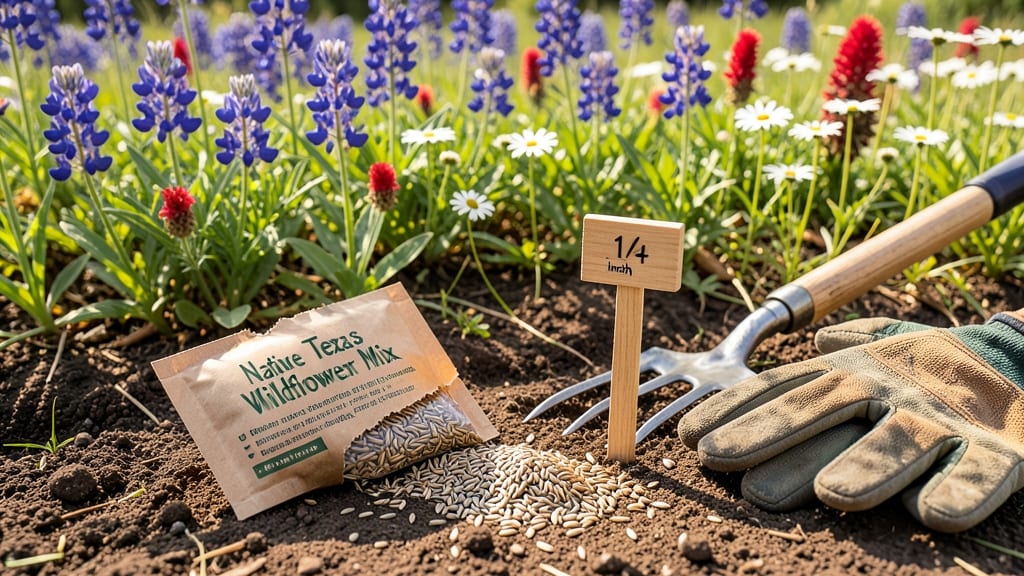
Planting wildflower seeds in Texas isn't just about dropping seeds and hoping for the best—it's about understanding when to act to beat the heat and drought. 🌼 The perfect timing can mean the difference between a vibrant meadow and a failed attempt, especially when Texas summers can turn seeds to dust in days.
Most gardeners in Texas zones 8a-10b know the struggle: plant too early, and your seeds fry under the sun; too late, and winter frosts take over before they sprout. The key is working with—not against—your region's unique climate, whether you're in North Texas or the Hill Country.
In this guide, I’ll break down the ideal planting windows for your specific zone, from late summer to early spring, and share pro tips to ensure your wildflowers thrive. Whether you're planting bluebonnets or black-eyed Susans, these insights will help you avoid common mistakes and create a stunning, low-maintenance landscape.
Ready to transform your yard into a wildflower haven? Let’s dive into the exact months you should be planting—and why timing matters more than you think.
Texas heat zones explained: best planting months by region
Texas’ extreme climate variations make wildflower planting timing a critical skill. The 10 heat zones (A-J) divide the state into microclimates where North Texas (Zone A) enjoys cooler springs, while South Texas (Zone J) extends fall planting deep into December.
Understanding these zones ensures your bluebonnets, black-eyed Susans, and coreopsis thrive instead of withering.
Each zone’s optimal planting window aligns with local frost patterns and rainfall cycles. For example, Zone A (Panhandle) gardeners plant in late August to October to avoid summer’s brutal heat, while Zone J (Rio Grande Valley) can sow seeds until mid-December thanks to milder winters.
Let’s break down the best months for each zone to maximize your wildflower success.
For Zone A (Panhandle), where temperatures can soar above 100°F in summer, planting in late August gives seeds time to germinate before the first frost—typically around mid-November.
My bluebonnet seeds in Lubbock thrive when sown in September, benefiting from cooler nights and occasional rains that keep soil moist.
In Zone F (Hill Country), elevation plays a crucial role. Areas like Fre
Fall vs. spring planting: which works best for Texas wildflowers?
When planting Texas wildflowers, timing can make or break your success. While spring planting gets all the attention, fall planting (September–November) often delivers better results. Cooler temperatures and consistent moisture help seeds establish before summer’s brutal heat arrives.
This approach lets wildflowers like bluebonnets and Indian paintbrush take root deeply, giving them a fighting chance against Texas’ drought conditions.
Spring planting isn’t a lost cause—it works well in North Texas’ cooler zones (8a–9a), where last frosts arrive later. However, seeds planted in March or April face intense heat stress by May, often leading to poor germination.
Fall planting gives seeds a head start, so they’re ready to bloom spectacularly in spring without the summer struggle.
Fall Planting (Sept–Nov) vs. Spring Planting (March–April)
- ✅ Better germination (cooler temps, steady rain)
- ✅ Avoids summer drought (seeds establish before heat)
- ✅ Stronger root systems (deep growth before spring)
- ✅ Works in most Texas zones (except high-altitude)
- ⚠️ Risk of heat stress (seeds dry out fast)
- ⚠️ Shorter window (must plant before May)
- ✅ Good for North Texas (cooler springs)
- ⚠️ Needs frequent watering (critical for survival)
*Exceptions: High-altitude zones (e.g., West Texas) may benefit from early spring planting (February) to avoid late frosts.
One key advantage of fall planting is natural seed dormancy. Many Texas wildflower seeds need a period of cold stratification to break dormancy. Planting in fall lets winter temperatures do the work for you, while spring-planted seeds often struggle to germinate without this step.
For example, black-eyed Susans and Mexican hat thrive when sown in fall, thanks to this natural process.
Moisture retention is another game-changer in fall. September–November rains provide ideal conditions for seeds to absorb water and sprout. Spring-planted seeds, however, face drying winds and scorching sun by late April, requiring constant watering to keep them alive.
A light mulch layer after fall planting helps lock in moisture, giving seeds a better shot at survival.
For high-altitude areas (above 4,000 ft), like the Davis Mountains or Guadalupe Peak region, spring planting can work better. These zones experience later last frosts (March–April), and fall-planted seeds might not survive harsh winters. Here, aim for February–March planting to align with the region’s unique climate patterns.
Ultimately, fall planting is the safest bet for most of Texas, but always check your local USDA zone and microclimate. Whether you choose fall or spring, proper soil prep and watering will determine whether your wildflowers thrive or fade away under the Texas sun. 🌼