
Plants
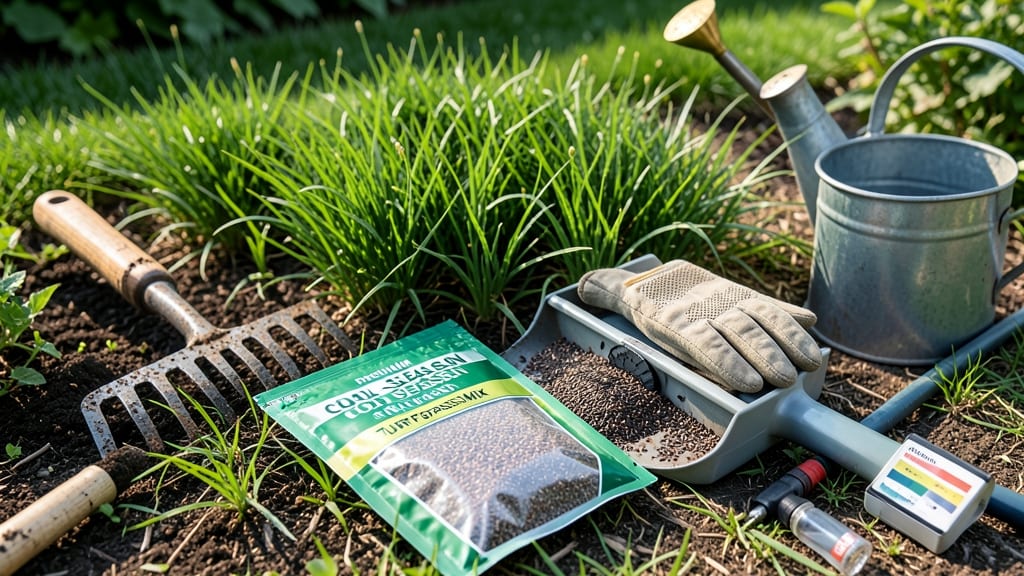
Planting grass at the wrong time in Pennsylvania can turn your dream of a lush, green lawn into a frustrating gamble—especially when you're dealing with USDA zones 5b-7a and unpredictable spring weather.
Whether you're seeding or laying sod, timing isn't just about the calendar; it's about giving your grass the fastest possible start before summer heat or winter frost sets in.
I've seen too many lawns struggle because homeowners planted too early (only to watch seeds wash away in rain) or too late (leading to weak roots that can't handle summer stress).
The best window for Pennsylvania is actually a two-part strategy: early spring and early fall, but there's a science to it—like knowing when the soil warms enough to support germination without drying out.
In this guide, I'll break down the exact deadlines for your region, whether you're in Pittsburgh's cooler microclimate or Philadelphia's slightly milder zone. You'll learn how to prepare your soil, avoid common pitfalls, and even adjust for late-season planting if your schedule doesn't align with perfect timing.
Let's get your lawn off to the right start—no guesswork involved.
From soil testing to weather watch, I'll walk you through every step to ensure your grass takes root strong and thick, not sparse and struggling. Ready to transform your yard? Let's dive into the optimal planting schedule that actually works for Pennsylvania's climate.
Pennsylvania’s USDA zones & grass planting deadlines by month
Pennsylvania spans USDA Zones 5b through 7a, meaning grass planting deadlines shift slightly between regions like Pittsburgh (Zone 6a) and Philadelphia (Zone 7a). Cool-season grasses like Kentucky bluegrass and tall fescue thrive when planted during early spring or fall, avoiding extreme heat or frost.
Timing directly impacts root establishment—plant too early, and seedlings rot; too late, and growth stalls before winter.
For spring planting, aim for 4-6 weeks after your last frost date (typically mid-April to early May in most of PA). In fall, plant 4-6 weeks before first frost (usually mid-September to early October).
These windows ensure 60-70°F soil temps, ideal for germination while avoiding summer drought stress or winter dormancy.
Why timing matters: Grass planted in late spring (June+) struggles with heat and drought, while late fall (November+) planting risks frost damage before roots establish. Even a 2-week delay can reduce germination rates by 30%—so mark your calendar!
USDA Zone 5b (Northern PA): Last frost: May 10 | First frost: October 5 USDA Zone 6a (Central PA): Last frost: April 25 | First frost: October 15 USDA Zone 7a (Southern PA): Last frost: April 10 | First frost: November 1
| USDA Zone | Best Planting Window | Last Frost Date | First Frost Date | Grass Types |
|---|---|---|---|---|
| 5b (Erie, Scranton) | Early May–Mid-Sept | May 10 | Oct 5 | Kentucky Bluegrass, Fine Fescue |
| 6a (Harrisburg, State College) | Late April–Early Oct | Apr 25 | Oct 15 | Tall Fescue, Perennial Ryegrass |
| 7a (Philadelphia, Pittsburgh) | Mid-April–Late Oct | Apr 10 | Nov 1 | Bermuda Grass (warm-season), Zoysia |
*Warm-season grasses (Bermuda, Zoysia) plant in late spring only.
In Zone 5b, where winters are harsh, fall planting is riskier—opt for early September to avoid early frosts. Meanwhile, Zone 7a gardeners can extend fall planting into early November if mild spells persist. Always check 7-day forecasts before seeding to avoid rain delays or frost surprises.
For overseeding (adding grass to thin areas), follow the same rules but use half the seed rate. Late August is ideal for overseeding in Zone 6a, as soil stays warm but nights cool down. Avoid overseeding in summer (June-August)—heat stress kills new seedlings within 10 days.
Pro tip: Test soil temps with a soil thermometer—ideal germination temps are 60-70°F. If temps drop below 50°F at night, delay planting until conditions improve. Morning frost can also signal it’s time to switch to fall prep.
Microclimates matter! Urban areas (Philadelphia) often stay 5-10°F warmer than rural zones, allowing 2-week later planting. If you’re unsure, ask local cooperative extension offices for hyper-local advice—they track frost dates annually.
Remember: Seed vs. sod timing differs. Sod can handle slightly later spring planting (up to 2 weeks after seeds) since roots establish faster. But sod planted in fall must be done 6+ weeks before frost to avoid winter kill.
Missed the window? Don’t panic. Late spring plantings can still work if you water deeply (1 inch/day) and use shade cloth to reduce heat stress. Just expect slower establishment and potential brown patches until roots catch up.
How to prepare your soil & lawn for grass planting success
Before you even think about spreading grass seed or laying sod in Pennsylvania, proper soil preparation is the secret weapon for a thick, healthy lawn. Skipping this step often leads to poor germination, weed invasion, or uneven growth.
I’ve seen too many lawns fail because homeowners rushed into planting without addressing the foundation—your soil.
In Pennsylvania’s USDA Zones 5b-7a, your soil needs to be loose, nutrient-rich, and free of weeds to give new grass the best chance. The ideal time to prepare your lawn is 4-6 weeks before planting, whether you’re seeding in early spring or early fall.
This gives you enough time to test, amend, and clear the area properly.
- 📋 Test Your Soil: Use a soil test kit (available at garden centers) to check pH levels and nutrient content. Pennsylvania soils often need lime (to raise pH) or sulfur (to lower pH). Aim for a pH of 6.0-7.0 for most grasses.
- 🌱 Remove Existing Vegetation: Clear weeds, clover, and debris using a sharp shovel or glyphosate herbicide (applied 2 weeks before planting). For organic options, use corn gluten meal as a pre-emergent.
- 🔄 Aerate the Soil: Rent a core aerator to create 1/2-inch holes every 2-3 inches. This improves water and nutrient absorption, especially in compacted lawns common in urban PA areas.
- 🌿 Add Organic Matter: Spread 2-3 inches of compost or well-rotted manure over the area. Work it into the top 4-6 inches of soil using a garden rake or tiller.
- 💧 Level the Surface: Fill low spots with a mix of topsoil and compost. Rake the entire area smooth to prevent water pooling or uneven growth.
- 🛡️ Apply Pre-Emergent Herbicide (Optional): If weeds are a concern, use a pre-emergent herbicide like pendimethalin 1-2 weeks before planting. Follow label instructions carefully.
- ☀️ Water Thoroughly: Deep-water the prepared soil 1-2 days before planting to ensure it’s moist but not soggy. This helps seeds or sod establish roots faster.
One of the biggest mistakes I see is skipping soil testing. Many homeowners assume their soil is fine, but Pennsylvania’s varied geology—from clay-heavy soils in the east to sandy loams in the west—means conditions can vary drastically even within the same county.
A simple $20 soil test can save you $500+ in failed grass projects.
For clay soils (common in areas like Philadelphia or Erie), mix in sand and peat moss to improve drainage. If your soil is sandy (like in parts of Pittsburgh or State College), add compost and peat to retain moisture.
Always water lightly after amending to help the soil settle and bind.
Finally, don’t forget to mark your calendar for post-planting care. After you’ve seeded or laid sod, maintain consistent moisture (about 1 inch per week) and avoid heavy foot traffic for 2-3 weeks to let the roots establish.
With proper prep, your Pennsylvania lawn will be thicker, greener, and more resilient from day one.