
Plants
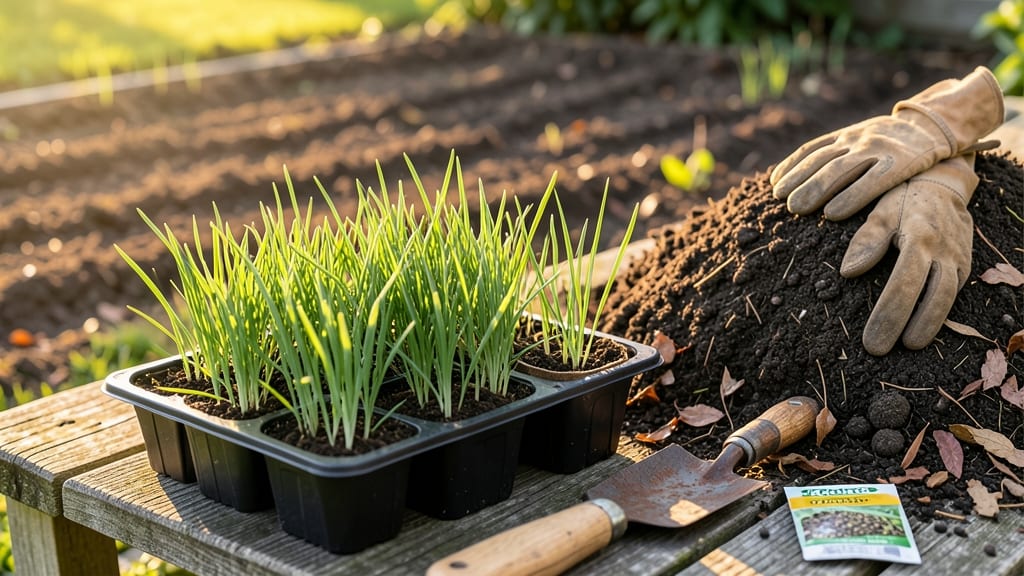
Planting winter grass in Arizona isn’t just about timing—it’s about catching that sweet spot between the fading summer heat and the first frost.
The ideal window for cool-season grasses like ryegrass or fescue is September through November, when temperatures drop just enough to encourage strong root growth without risking heat stress.
If you wait too late, your grass might struggle to establish before winter sets in, leaving you with patchy coverage or even total failure. But get it right, and you’ll enjoy a lush, green lawn that thrives in Arizona’s mild winters—without the high maintenance of summer grasses.
Let’s break down the exact steps to make sure your winter grass takes root and stays healthy all season long.
Most gardeners in USDA Zone 9b overlook one critical factor: soil preparation. Arizona’s clay-heavy soil can suffocate seeds if not amended properly, while irrigation timing plays a huge role in germination success. I’ll walk you through the best soil prep methods and watering schedules tailored to your desert climate.
Ready to skip the guesswork? By the end of this guide, you’ll know exactly when to plant, how to prep your soil, and what to watch for to avoid common mistakes—so you can enjoy a vibrant winter lawn without the headaches. Let’s get started!
Best months to plant winter grass in Arizona (climate-zone guide)
Arizona’s diverse climate zones—from the scorching Low Desert to the cooler High Desert—create wildly different planting windows for winter grass.
In the Low Desert (Phoenix, Tucson), you’ve got just a few weeks to plant before summer heat returns, while the High Desert (Flagstaff, Prescott) offers a longer window but risks early frost.
Even the Transition Zones (Sedona, Prescott Valley) require precise timing to avoid heat stress or cold damage.
Timing isn’t just about months—it’s about temperature thresholds and seasonal cues. The end of the monsoon season (late September) signals the perfect window to plant, as soil moisture levels drop and daytime temps stay below 85°F.
Meanwhile, first frost risks in November (especially in higher elevations) mean you must plant 4-6 weeks before to give roots time to establish.
Let’s break down the optimal planting windows by Arizona region, including temperature thresholds, seasonal cues, and the best cool-season grass varieties for each zone. This ensures your winter grass thrives—not just survives—through Arizona’s unpredictable winters.
In the Low Desert, your window is tight—plant between late August and early October to avoid summer heat stress.
This zone’s high daytime temps (often 90°F+) can scorch newly planted grass, so aim for afternoon shade during establishment. Tall Fescue and Perennial Ryegrass are your best bets here, as they tolerate some heat and drought once established.
For Transition Zones, you’ve got a slightly longer window—mid-September to mid-November—but watch for first frost risks after November 15. These areas experience cooler nights and warmer days, making Fine Fescue and Kentucky Bluegrass ideal choices.
Plant 6 weeks before the average frost date to ensure strong root growth before winter sets in.
The High Desert offers the most flexibility, with a window from September to early December. However, temps drop faster here, and first frost can hit as early as December 1.
Opt for Creeping Red Fescue or Chewings Fescue, which handle cooler temps better. If planting in November, use row covers to protect seedlings from unexpected cold snaps.
Regardless of your zone, soil temperature is critical. Use a soil thermometer to confirm it’s above 55°F before planting—cool soil slows germination. In the Low Desert, this often means waiting until late September, while the High Desert may be ready by early September.
Always plant when the monsoon season winds down to avoid waterlogged soil.
Pro tip: Test your soil’s pH before planting. Arizona’s desert soil is often alkaline (pH 7.5+), which can hinder grass growth. Aim for a pH of 6.0-7.0 by amending with sulfur or peat moss. This small step can double your germination rates and lead to a lusher lawn.
Once planted, water deeply but infrequently—Arizona’s winter rains can’t replace proper irrigation. Use a drip system or soaker hose to deliver 1-1.5 inches of water weekly during establishment.
Overwatering is a common mistake that leads to fungal diseases like brown patch, so let the top 1-2 inches of soil dry between waterings.
Finally, mow high once your grass reaches 3-4 inches to encourage deep root growth. In the Low Desert, this might mean waiting until December, while High Desert grass can handle mowing as early as November.
Adjust your mower height based on your grass variety—dwarf fescues need shorter cuts, while tall fescues thrive at 3-4 inches.
With the right timing and care, your winter grass will outlast Arizona’s harsh winters, providing a green oasis year-round. Start with the zone-specific guidelines
How to prepare your Arizona soil for winter grass success
Arizona’s clay-heavy desert soil can make winter grass planting a challenge, but with the right prep, you’ll create the perfect foundation for cool-season grasses like ryegrass or fescue. The key? Balancing drainage, pH levels, and moisture retention—all while accounting for Arizona’s unpredictable winter rains.
Skipping soil prep often leads to poor germination or stunted growth, so let’s get your yard ready for a lush, drought-resistant lawn.
Start by testing your soil pH, which should ideally fall between 6.0 and 7.0 for most winter grasses.
Arizona’s alkaline soils often test higher, so you may need to amend with sulfur or peat moss to lower the pH. Use a simple soil test kit (available at garden centers) or send a sample to your local Cooperative Extension office for precise results.
This step alone can mean the difference between thin, patchy grass and a vibrant, healthy lawn.
Next, focus on improving soil structure to prevent compaction and water runoff. Desert soils are notorious for being dense and clay-dominated, which can suffocate grass roots. Mix in 2–3 inches of compost or well-rotted manure into the top 6 inches of soil.
For larger areas, consider renting a rototiller to loosen the soil before amending. This creates a looser, more oxygen-rich environment where grass roots can thrive.
Step-by-Step Soil Prep for Arizona Winter Grass
- Test Soil pH: Aim for 6.0–7.0. Use sulfur or peat moss to adjust if needed.
- Amend with Compost: Mix 2–3 inches of compost into the top 6 inches of soil.
- Loosen Compacted Soil: Use a rototiller or garden fork to break up clay layers.
- Level the Area: Rake out clumps and rocks for an even seedbed.
- Water Deeply: Soak the soil 1–2 days before planting to encourage seed-to-soil contact.
- Choose the Right Grass: Select cool-season varieties like ryegrass or fescue for Arizona’s mild winters.
- Apply a Light Mulch: Use straw or shredded leaves to retain moisture and suppress weeds.
Don’t overlook irrigation timing, which is critical for winter grass success in Arizona. Water deeply 1–2 days before planting to help seeds make contact with the soil. After sowing, keep the soil consistently moist (not soggy) for the first 4–6 weeks—this is when roots establish.
Use a drip irrigation system or soaker hose to deliver water slowly and evenly, avoiding runoff. Overwatering is a common mistake that can lead to fungal diseases or seed washout during Arizona’s occasional winter downpours.
When selecting grass seed varieties, prioritize drought-tolerant cool-season grasses like tall fescue or perennial ryegrass. These types handle Arizona’s mild winters and dry spells better than traditional lawn grasses. For shadier areas, consider fine fescue, which thrives in partial shade.
Always check the seed packet for germination rates and recommended planting depths—some varieties need light to sprout, while others require firm soil contact.
Finally, apply a light mulch layer (like straw or shredded leaves) after planting to retain moisture and suppress weeds. Avoid heavy mulches that can smother young grass. Monitor your lawn closely for the first few weeks, adjusting watering as needed based on rainfall and temperature shifts.
With the right soil prep, your winter grass will establish strong roots and greet spring with a thick, green carpet ready to handle Arizona’s summer heat.