
Flowers
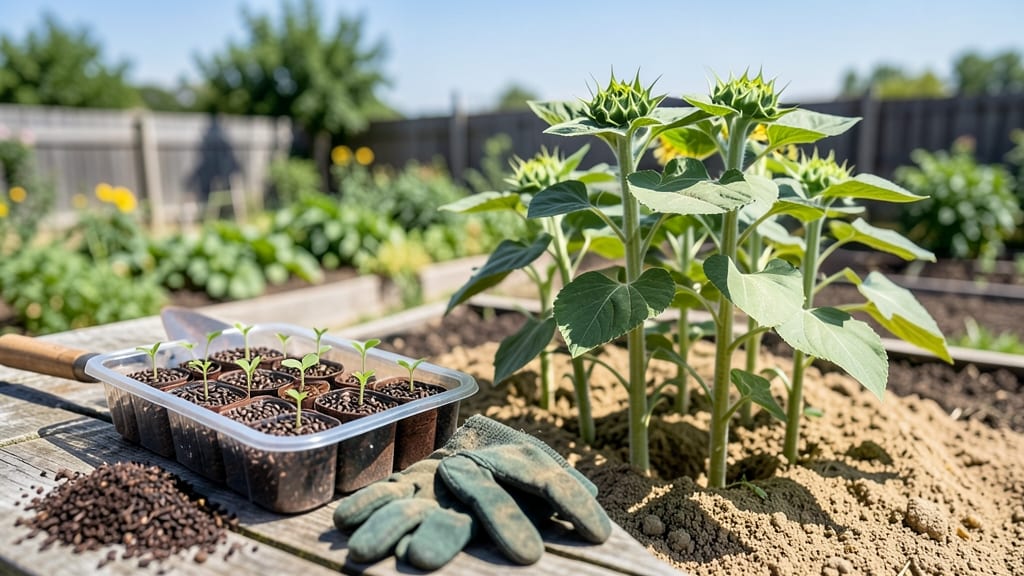
Planting sunflowers in Florida feels like cheating—they practically grow themselves, but timing is still everything to avoid wilted stalks or stunted blooms.
While you can tuck seeds into the ground year-round, coastal Miami and inland Orlando have wildly different rules, and getting it wrong means missing out on those 16-foot giants or dwarf varieties that thrive in containers.
The key is understanding Florida’s microclimates: North Florida’s cooler winters (Zone 8a) let you start as early as January, while South Florida’s Zone 11 heat means summer planting is your best bet.
Skip the guesswork—learn the exact windows for your region, plus how to beat humidity and sandy soil to keep your 🌻 sunflowers reaching their full potential.
You’ll discover why spring and fall are the sweet spots for most gardeners, how to adjust for Florida’s unpredictable rain, and which sunflower varieties actually thrive in the heat.
Whether you’re a first-time planter or a seasoned gardener, these insights will help you grow sunflowers that turn heads—and maybe even shade your patio by midsummer.
Let’s break down the coastal vs. inland planting secrets so you can start sowing with confidence, no matter where in Florida you’re growing. Ready to turn your garden into a sunflower spectacle?
Florida sunflower planting calendar: coastal vs inland timing differences
Sunflowers (Helianthus annuus) are one of Florida’s most rewarding flowers, but their planting windows vary dramatically between coastal and inland regions. In South Florida (Zones 10-11), you can grow sunflowers year-round, while Central/North Florida (Zones 8-9) gardeners must time plantings carefully to avoid heat stress or early frost.
The key difference? Coastal areas have warmer winters and longer frost-free periods, while inland zones face cooler nights and occasional light freezes.
For optimal germination, sunflower seeds need soil temperatures between 55°F and 85°F.
Coastal Florida’s sandy soils warm faster in spring, while inland clay soils may stay cooler longer. Heat tolerance is another critical factor: sunflowers can handle 90°F+ days once established, but young seedlings struggle in consistent 95°F+ heat. This means fall plantings often outperform summer ones in inland areas.
Frost-free dates are your first guide. In South Florida, frost is rare—only the highest elevations (like the Keys) see occasional 32°F dips in winter. In Central/North Florida, the last frost typically occurs between late February and early March, while the first frost arrives late November to early January. Sunflowers can tolerate light frosts as mature plants, but seedlings won’t survive below 35°F.
Here’s how to align your sunflower planting with Florida’s two distinct microclimates:
| Month | South Florida (Zones 10-11) | Central/North Florida (Zones 8-9) | Key Notes |
|---|---|---|---|
| January | ✅ Ideal (60-70°F soil temps) | ✅ Best month (55°F+ soil) | Avoid late frosts in North FL; use row covers if temps dip below 40°F. |
| February | ✅ Ideal (65-75°F soil) | ✅ Ideal (60°F+ soil) | South FL: Plant dwarf varieties for summer shade; North FL: mulch heavily. |
| March | ✅ Ideal (70-80°F soil) | ✅ Ideal (65°F+ soil) | Both regions: Direct sow for fastest growth; avoid overwatering as soils warm. |
| April | ⚠️ Possible (80°F+ soil) | ✅ Good (70°F+ soil) | South FL: Shade cloth for seedlings; North FL: Evening watering to cool soil. |
| May | ❌ Avoid (90°F+ heat stress) | ⚠️ Possible (75°F+ soil) | South FL: Wait for fall; North FL: Plant heat-tolerant varieties like 'Russian Giant'. |
| June | ❌ Avoid (peak humidity/fungus risk) | ❌ Avoid (95°F+ heat) | Both regions: Focus on fall plantings; use container growing for microclimates. |
| July | ❌ Avoid (typhoon season risk) | ❌ Avoid (consistent 90°F+) | South FL: Storm prep for existing plants; North FL: No planting. |
| August | ⚠️ Possible (late season) | ⚠️ Possible (85°F+ soil) | South FL: Dwarf varieties only; North FL: Quick-growing types for fall harvest. |
How to adjust sunflower planting for Florida’s microclimates: heat, humidity, and soil tipsFlorida’s microclimates create unique challenges for sunflower growers—from sandy coastal soils to clay-heavy inland areas. Without adjustments, your sunflowers might struggle with nutrient deficiencies or fungal diseases like powdery mildew. The key is understanding how to prep your soil, manage humidity, and protect plants from Florida’s intense sun and storms. Start by testing your soil’s pH and drainage. Florida’s sandy soils drain too quickly, while clay soils hold too much moisture. Aim for a pH of 6.0–7.0—sunflowers thrive in slightly acidic to neutral soil. If your soil is too alkaline, amend it with sulfur or peat moss before planting. For drainage issues, mix in compost or coconut coir to improve structure. 🌱
🔹 Key Takeaway
🌡️ Florida’s heat and humidity demand these 3 adjustments: Watering schedules are critical in Florida’s humid climate. Unlike many plants, sunflowers need deep, infrequent watering—not frequent shallow drinks. Water at the base of the plant in the morning to reduce fungal risks like powdery mildew, which thrives in damp foliage. In summer months, young plants may need watering every 2–3 days, while established plants tolerate 5–7 days between waterings. If you’re growing sunflowers near the coast, salt spray and wind can stress plants. Protect them with lightweight shade cloth (30–50% coverage) during peak afternoon sun. For inland areas with intense heat, provide afternoon shade using dappled shade from trees or temporary fabric screens. Mulching with straw or wood chips helps retain soil moisture and regulates temperature. Florida’s nutrient-poor soils often lack essential minerals like phosphorus and potassium, which sunflowers need for strong stems and blooms. Before planting, mix in a balanced fertilizer (5-10-10) or compost. Avoid over-fertilizing with nitrogen—it promotes leafy growth at the expense of flower production. Instead, side-dress with a low-nitrogen, high-phosphorus fertilizer when buds form. Finally, monitor for common Florida pests like aphids and sunflower moths. Use neem oil or insecticidal soap for organic control. For fungal issues, space plants 12–24 inches apart to improve airflow. With these adjustments, your sunflowers will thrive in Florida’s unique conditions, whether you’re in Miami’s heat or Orlando’s transition zone. 🌻 |