
Plants
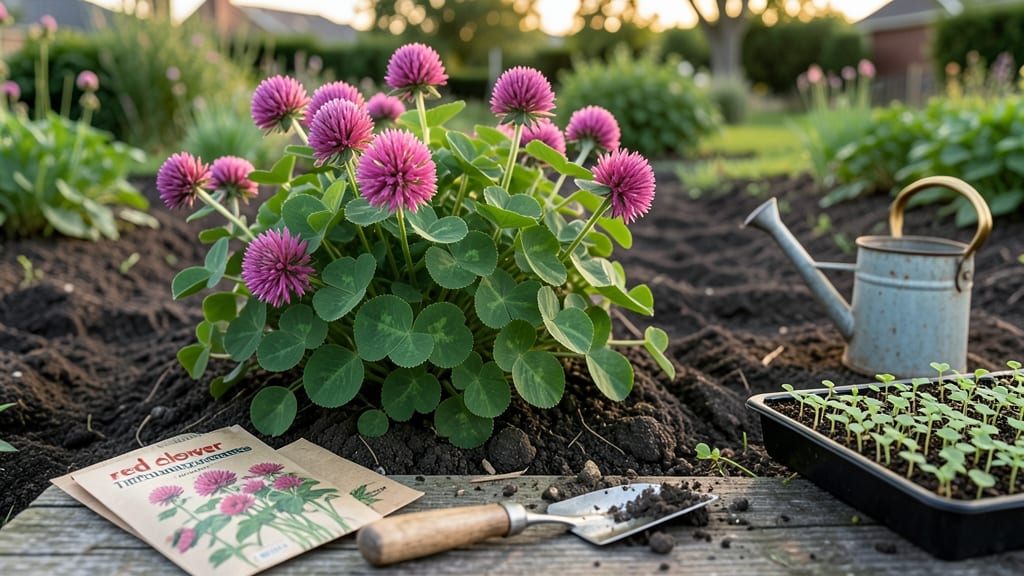
Planting clover in Illinois at the wrong time can leave your lawn sparse or your erosion-control efforts in vain—especially when frost dates shift unpredictably from Chicago to Carbondale.
The perfect window for establishing this hardy ground cover isn’t just about months, but about avoiding those late spring freezes that can stall growth for weeks.
I’ve tracked Illinois’ USDA Zones 5b-6b for years, and the difference between a thriving clover patch and a failed attempt often comes down to planting just 10-14 days too early or late. Whether you’re seeding for pollinators, a nitrogen-rich lawn, or soil stabilization, timing matters more than most gardeners realize.
In this guide, I’ll break down the exact frost-free deadlines by region—including county-specific adjustments—so you can plant white, red, or alsike clover with confidence. You’ll also learn how to extend the growing season with simple tricks that work even in Illinois’ most finicky microclimates.
Ready to transform your yard? Let’s dive into the ideal planting calendar that finally gives your clover the start it deserves—no guesswork required.
Illinois clover planting deadlines by USDA hardiness zones (5-6)
Getting your clover planted at the right time in Illinois is crucial—especially when dealing with USDA Zones 5a-6b.
These zones cover everything from Chicago’s northern suburbs to southern Illinois, where frost patterns can shift dramatically. White clover, red clover, and alsike clover all thrive in Illinois, but their planting windows differ slightly based on your exact location and frost risks.
For northern Illinois (Zone 5a-5b), like Cook County (Chicago area), the last average frost date is around April 15, while southern Illinois (Zone 6a-6b), like St. Clair County (near Springfield), can see frost-free conditions by March 25.
These differences mean your planting timeline should adjust by 2-3 weeks depending on where you live.
Here’s the key rule: Plant white clover and red clover in early spring (March-April) or early fall (September-October). Alsike clover, which is more cold-hardy, can handle slightly earlier spring plantings, but avoid sowing before March 1 in Zone 5a to prevent frost damage.
Missed the spring window? No problem! Fall planting works well if you sow seeds 6-8 weeks before your first frost. In Chicago (Zone 5b), that means planting by September 15, while Springfield (Zone 6a) can extend this to October 1.
Now, let’s break down the exact planting deadlines by Illinois region and clover type to help you avoid frost-related setbacks.
If you’re in Chicago (Zone 5b), aim to plant white clover by April 15 to avoid late frosts. The city’s urban heat island effect can sometimes delay frost, but rural areas like DeKalb County may still see frost into early May.
For red clover, which germinates faster, you can push the deadline to April 20 in Zone 5b.
In Springfield (Zone 6a), where springs arrive earlier, alsike clover can be planted as early as March 15. This variety handles cooler soils better, making it ideal for central Illinois.
However, avoid planting red clover before March 25, as its seeds need warmer soil to germinate properly.
For southern Illinois (Zone 6b), like Carbondale, the window opens even earlier. You can start white clover as soon as March 1 and still have a strong establishment before summer heat sets in. Fall planting here extends to October 15, giving you flexibility if spring planting slips.
Pro tip: Check your local Cooperative Extension Service for county-specific frost alerts. For example, Peoria (Zone 5b-6a) often sees its last frost 1-2 weeks earlier than Chicago, so adjust accordingly. Always test soil temperatures—clover seeds need soil
Best clover varieties for Illinois climate and planting tips
Choosing the right clover variety for Illinois means balancing your specific needs with the state’s variable climate. Whether you’re aiming for a drought-resistant lawn, fast-growing ground cover, or shade-tolerant plants, each type has unique strengths.
Illinois’ USDA Zones 5b-6b create ideal conditions for three standout varieties: white clover, red clover, and alsike clover. Each thrives under different conditions but shares one key trait—all enrich soil with natural nitrogen.
For drought-prone areas like western Illinois, white clover is my top recommendation. Its deep roots tap into moisture, making it perfect for low-maintenance lawns. In contrast, red clover grows aggressively in spring and fall, ideal for erosion control or pollinator gardens.
Meanwhile, alsike clover handles partial shade better than its cousins, making it great for under trees or north-facing yards.
When to Plant Clover in Illinois: Risk Assessment
Before last frost (Feb-Mar)
After last frost (Apr-May) or 6-8 weeks before first frost (Sep-Oct)
After June or post-Oct 15
- Frost damage
- Slow germination
- Weed competition
- Strong root establishment
- Full growth cycle
- Optimal pollination
- Heat stress
- Incomplete root growth
- Winter kill risk
All three varieties require well-draining soil with a pH between 6.0-7.5. Before planting, till the top 6 inches of soil and mix in compost to improve fertility.
For white clover, space seeds 1/4 inch apart and cover lightly with soil. Red clover seeds should be 1/2 inch deep, while alsike clover prefers 1/8 inch depth due to its smaller size.
After planting, maintain consistent moisture for the first 4-6 weeks. Once established, clover becomes drought-tolerant, but regular watering encourages lush growth. In northern Illinois, aim to plant by May 1 to avoid late frosts, while southern regions can extend planting until June 1.
For fall planting, September is ideal—seeds germinate in cool soil and establish roots before winter.
One common mistake is over-seeding. Clover spreads naturally, so use 1/4 to 1/2 pound per 1,000 sq ft for most varieties. Red clover may need slightly less due to its aggressive growth.
If you’re planting for pollinators, include a mix of all three varieties to extend the blooming season from spring through fall.
For shady areas, alsike clover is your best bet—it tolerates 3-4 hours of sunlight daily. In full sun, all varieties thrive, but white clover handles heat better than red clover.
If you’re using clover for lawn replacement, mow it every 4-6 weeks to encourage dense growth and suppress weeds.