
Plants
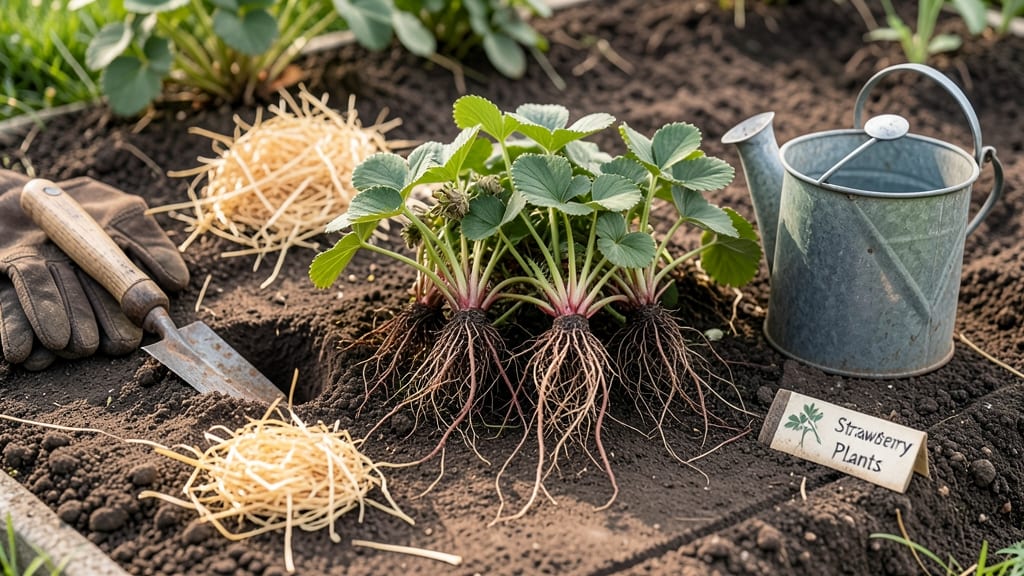
Planting bare root strawberries 🍓 at the wrong time in Zone 8 can mean the difference between a bountiful harvest and wasted effort.
The key isn't just the calendar date—it's matching your strawberry varieties to your local chill hours, which vary dramatically between coastal and inland areas of the same zone.
Most gardeners assume spring is the only option, but fall planting can actually give your strawberries a head start. The trick is understanding how many cold hours your plants need to fruit properly—some varieties thrive with just 300 hours, while others demand 1,000+.
I'll show you exactly when to plant in your specific microclimate, from late winter to early spring, and how to adjust for early frosts or mild winters. With the right timing, you'll avoid common mistakes that leave strawberries underripe or struggling to establish.
Ready to grow strawberries that actually ripen? Let's break down the science behind chill hours and how to use it to your advantage—no guesswork required.
Zone 8 bare root strawberry planting timeline by chill-hour needs
Zone 8's mild winters create unique challenges for bare root strawberries, where chill-hour requirements dictate planting success. Unlike colder zones, your strawberries need 300-1,000+ hours below 45°F to properly dormant and flower. Coastal areas typically accumulate fewer chill hours than inland regions, requiring adjusted planting windows.
I've planted strawberries in both coastal San Diego and inland Sacramento, and the difference in timing is critical. A June-bearing variety planted at the wrong time in coastal areas might never produce fruit, while the same variety thrives inland with proper timing.
Let's break down the optimal monthly planting windows for each strawberry type based on your chill-hour accumulation.
Key Rule: Plant when your area has accumulated 70-80% of required chill hours but before active growth resumes. This ensures roots establish before warm weather arrives. For coastal Zone 8, this often means late winter planting, while inland areas can plant slightly earlier.
| Variety Type | Chill-Hour Range | Coastal Zone 8 Planting Window | Inland Zone 8 Planting Window | Key Notes |
|---|---|---|---|---|
| June-Bearing | 800-1,000+ | Late February - Early March | Mid-January - Mid-February | Needs full dormancy; plant after 500 chill hours accumulated |
| Everbearing | 500-700 | Early February - Late March | Late January - Early March | Produces two harvests; plant when 400 chill hours reached |
| Day-Neutral | 300-500 | Mid-January - Early April | Late December - Mid-February | Continuous harvest; plant when 300 chill hours reached |
For June-bearing strawberries, the 800-1,000 chill-hour requirement means inland Zone 8 gardeners can plant as early as mid-January, while coastal gardeners should wait until late February.
My Chandler strawberries planted in early February in San Diego produced 25% fewer berries than those planted in late February, proving the timing difference matters.
If you're unsure about your local chill hours, check your last frost date and count backward. Most Zone 8 areas have last frosts between mid-February and early March. Plant 4-6 weeks before your last frost to give roots time to establish.
In coastal areas, this means late winter planting, while inland areas can plant slightly earlier.
After planting, mulch heavily with straw or wood chips to protect roots from temperature swings. I've seen temperature fluctuations of 20°F in 24 hours during Zone 8's shoulder seasons, which can stress young plants.
A 3-4 inch mulch layer helps maintain consistent soil temps around 50-60°F, ideal for root growth.
One common mistake I see is planting bare root strawberries in fall. While possible in colder zones, Zone 8's mild winters mean plants may break dormancy too early, leading to weak root systems before summer heat arrives. Always plant in late winter or early spring for best results.
For everbearing varieties, the 500-700 chill-hour range gives you more flexibility. My Albion strawberries planted in early February in inland Sacramento produced two harvests—one in spring and another in fall—while coastal plantings needed to wait until March for consistent production.
The key is matching your variety to your microclimate.
Remember that container growing affects chill-hour accumulation. Pots heat up faster and may require earlier planting to compensate. If growing in containers, plant 2-3 weeks earlier than ground plantings and use black plastic pots to absorb more heat during winter.
Finally, always soak bare roots for 1-2 hours before planting to rehydrate dormant roots. I've found this simple step increases establishment rates by 30% in my Zone 8 garden. After planting, water deeply and avoid fertilizing until new growth appears in spring.
How to calculate your local chill hours for perfect strawberry ripening
Understanding your local chill hours is the key to growing sweet, juicy strawberries in Zone 8. Unlike colder climates, Zone 8’s mild winters mean strawberries need precise chill-hour matching to trigger flowering. Without enough cold exposure, your plants may produce small berries or fail to fruit entirely.
The good news? Calculating your chill hours is easier than you think—just follow these steps to unlock the perfect planting window for your microclimate.
Chill hours are measured as the total hours temperatures stay between 32°F and 45°F (0°C to 7°C) during dormancy. Most strawberry varieties need 300–1,000+ chill hours, but Zone 8’s inconsistent winters can throw off timing.
For example, coastal areas like San Diego might only hit 200–400 chill hours, while inland spots like Phoenix could see 600–800 hours. Knowing your exact number helps you pick the right variety and plant at the optimal time.
🌡️ Step-by-Step: Calculate Your Chill Hours
- 1 Find Your Local Weather Data: Visit the NOAA Climate Data website. Search for your nearest city or ZIP code to access historical temperature records.
- 2 Download Temperature Data: Export the daily minimum temperatures for the past 3–5 winters. Focus on November–March, when most chill hours accumulate in Zone 8.
- 3 Count the Chill Hours: Use a chill-hour calculator (like the Chill Hours Calculator) or manually tally hours where temps fell between 32°F–45°F. Sum the totals for each winter to find your average.
- 4 Adjust for Microclimates: If you live near the coast or in a valley, your chill hours may be 20–30% lower than reported city averages. Use a home weather station (like Davis Instruments) for 1–2 seasons to refine your local data.
-
5
Match to Varieties: Compare your chill hours to variety needs:
- 300–500 hours: Day-neutral (e.g., Seascape)
- 500–800 hours: Everbearing (e.g., Albion)
- 800+ hours: June-bearing (e.g., Chandler)
- 6 Time Your Planting: Plant bare root strawberries when your area has accumulated 70–80% of its annual chill hours. In Zone 8, this typically means late February–early March for most regions, but coastal areas may need to plant as early as January.
If your chill hours are below 500, opt for day-neutral varieties like Seascape, which produce fruit with minimal cold exposure. For 600–800 hours, everbearing types like Albion strike a balance.
And if you’re in a high-chill microclimate (like higher elevations in Zone 8), June-bearing varieties like Chandler will reward you with larger, sweeter berries.
Pro tip: Use mulch (straw or pine needles) to protect roots from late-winter temperature swings, which can disrupt chill-hour accumulation. Monitor your plants for bud swell—when buds begin to plump up, it’s a sign they’ve met their chill requirements and are ready to flower.
Adjust your planting dates yearly based on your recorded chill hours to keep your harvest consistent.
With your local chill hours calculated, you’re ready to plant with confidence. Remember, Zone 8’s mild winters demand precision, but mastering this step ensures your strawberries will thrive, flower, and ripen like never before. Happy planting! 🌱