
Plants
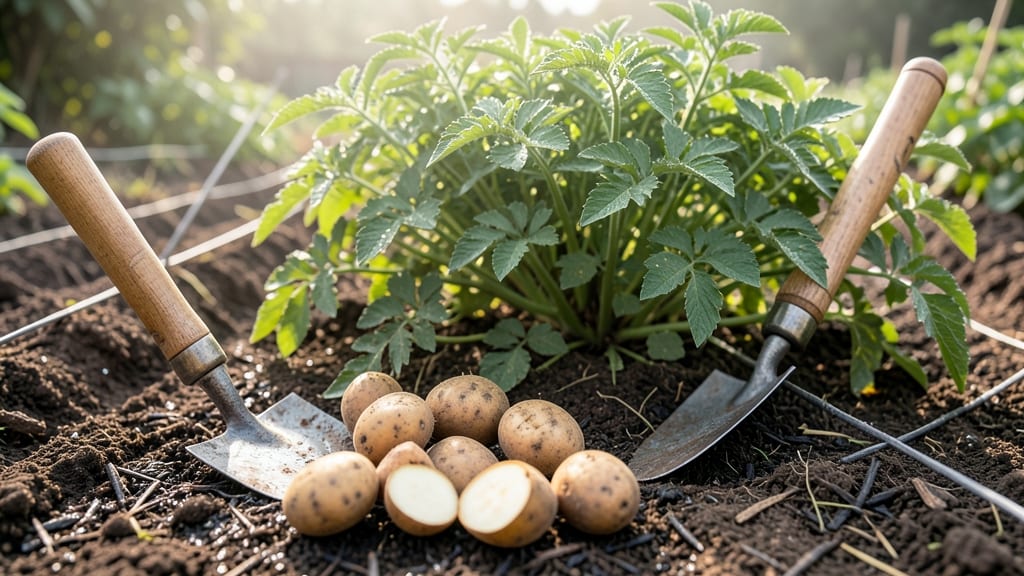
Planting your 🥔 potatoes at the wrong time in Ohio could mean the difference between a bumper crop and a total flop—especially when late frosts or summer heat can ruin your harvest.
The key to success lies in knowing exactly when to get those seed potatoes in the ground, which depends on your last frost date and soil conditions.
For Ohio gardeners in USDA Zone 6a, the ideal window stretches from mid-April to early May, but timing varies by region. Planting too early risks frost damage, while waiting too long can leave you scrambling as summer approaches.
I’ll break down the exact weeks before your last frost to maximize your yield and avoid common pitfalls.
Whether you’re growing early varieties like Yukon Gold or late-season Kennebecs, the right planting schedule ensures healthier tubers and fewer diseases. Let’s dive into Ohio-specific strategies to help you plan for a harvest that’ll last from July through October.
Ready to turn your garden into a potato powerhouse? I’ll share soil prep tips, variety recommendations, and even how to adjust for Ohio’s unpredictable weather. Your best harvest starts with the right timing—and I’ve got you covered.
Ohio’s ideal potato planting timeline: weeks before last frost by region
Ohio’s last frost dates vary dramatically from northern to southern regions, making timing critical for potatoes. In Zone 5b (north), like Cleveland, frost lingers until May 15, while Zone 6b (south), such as Cincinnati, typically sees April 25 as the cutoff.
Planting too early risks frost damage, while waiting too long cuts harvest time. Let’s break down the exact 4-6 week window before your region’s last frost for peak yields.
To pinpoint your personal last frost date, check NOAA’s 2024 frost projections for your county. For example, Toledo’s average last frost is April 10, while Columbus aligns with April 20.
Subtract 4-6 weeks from this date to determine your ideal planting window. Pro tip: Use seed potatoes with chits (pre-sprouted) to jumpstart growth in Ohio’s cool, damp springs.
Soil temperature is just as critical as air temperature. Potatoes thrive when soil reaches 45°F, which typically occurs 2-3 weeks after the last frost in most of Ohio. Test your soil with a soil thermometer—if it’s still below 45°F, delay planting.
In northern Ohio, this often means waiting until mid-May, while southern Ohio can start as early as late March under row covers.
| Region | Avg. Last Frost | Planting Window | Soil Temp. Goal | Notes |
|---|---|---|---|---|
| Northern Ohio (Cleveland, Toledo) | May 10–15 | April 15–30 | 45°F+ | Use row covers for early starts |
| Central Ohio (Columbus, Dayton) | April 20–25 | March 25–April 15 | 45°F+ | Ideal for early varieties |
| Southern Ohio (Cincinnati, Athens) | April 10–15 | Late March–April 5 | 45°F+ | Risk of late blight; choose disease-resistant varieties |
| All Regions (Late Planting) | N/A (June 1 cutoff) | May 15–June 1 | 50°F+ | For late varieties; harvest before frost |
For 2024 projections, NOAA’s 30-year averages suggest slightly earlier frosts in northern Ohio (May 5–10) and 1-2 weeks earlier in southern regions. Cross-reference with local Cooperative Extension reports for real-time updates. If you’re unsure, err on the side of delaying planting—potatoes tolerate cool soil better than frost.
Ohio’s clay-heavy soils can delay warming, so amend beds with compost or sand to reach 45°F faster. In containers, use black pots to absorb heat. Plant 4 inches deep and space 12 inches apart to prevent disease.
Early varieties like ‘Early Red’ mature in 60 days, while ‘Kennebec’ takes 90 days, so adjust your window accordingly.
If you miss the spring window, consider a late planting strategy for June harvests. Use fast-maturing varieties like ‘Yukon Gold’ and plant shallow (2 inches deep) to speed germination.
Just be prepared to harvest before frost, typically by October 1 in most of Ohio. Mulch heavily to extend the season and protect tubers.
Protect your investment with row covers or cold frames if frost threatens after planting. These can push your harvest window 2-3 weeks later in northern Ohio. Monitor NOAA’s frost alerts and have a plan to cover plants if temperatures dip below 32°F.
Even a light frost can blacken foliage without damaging tubers, but repeated freezes will.
Finally, account for Ohio’s humidity, which increases disease pressure like late blight. Plant resistant varieties (e.g., ‘Red LaSoda’) if you’re in southern Ohio or near water sources. Rotate crops annually to reduce soil-borne pathogens. With the right timing and prep, you’ll enjoy
Best potato varieties for Ohio’s short growing season: early vs. late planting strategies
Ohio’s short growing season demands smart choices when selecting potato varieties. The right match between planting time and variety maturity determines whether you’ll harvest before summer heat or risk disease.
For example, ‘Yukon Gold’ thrives with early planting, while ‘Kennebec’ benefits from late starts to avoid blight. Let’s break down the trade-offs so you can maximize your yield.
Early planting (4-6 weeks before last frost) favors fast-maturing varieties like ‘Red Pontiac’ (90 days) or ‘Early Girl’ (60 days). These varieties escape Ohio’s late spring frosts and produce harvests by early July.
However, they often yield smaller tubers compared to later varieties. Late planting (June) extends the season but increases disease risk from humidity and requires longer-day varieties like ‘Russet Burbank’ (120 days).
Ohio’s climate creates a unique challenge: warm summers and humid conditions. Early planting avoids late blight, but late planting risks it. The USDA Zone 6a average of 165 frost-free days means you must choose varieties that fit your planting window. For instance, planting ‘Yukon Gold’ in early April gives you a July harvest, while waiting until June risks a September harvest with higher disease pressure.
Early Planting (April) vs. Late Planting (June)
Early Planting (April)
- ✅ Faster harvest (July)
- ✅ Lower disease risk (avoids humidity)
- ✅ Better for early varieties (e.g., ‘Red Pontiac’)
Late Planting (June)
- ❌ Higher blight risk (humid summers)
- ❌ Later harvest (September/October)
- ❌ Smaller yields (shorter season)
If you’re aiming for storage potatoes, late varieties like ‘Kennebec’ (110 days) or ‘Russet Burbank’ (120 days) are ideal, but they require June planting. These varieties store well but demand disease-resistant practices like crop rotation and fungicide sprays.
Early varieties like ‘Yukon Gold’ (90 days) are best for fresh eating and avoid storage issues entirely.
My top recommendation for Ohio gardeners? Plant ‘Red Pontiac’ early (April) for a July harvest and ‘Kennebec’ late (June) for a September harvest. This two-pronged approach balances yield, disease risk, and harvest timing. Just remember: soil temperature must reach 45°F before planting, or sprouts will rot.
For container growers, opt for compact varieties like ‘Yukon Gold’ and plant in large pots (18+ inches deep) with well-draining mix. Containers warm faster, so adjust your planting window 1-2 weeks earlier than in-ground plantings.
With the right variety and timing, you can turn Ohio’s short season into a potato-growing powerhouse!