
Plants
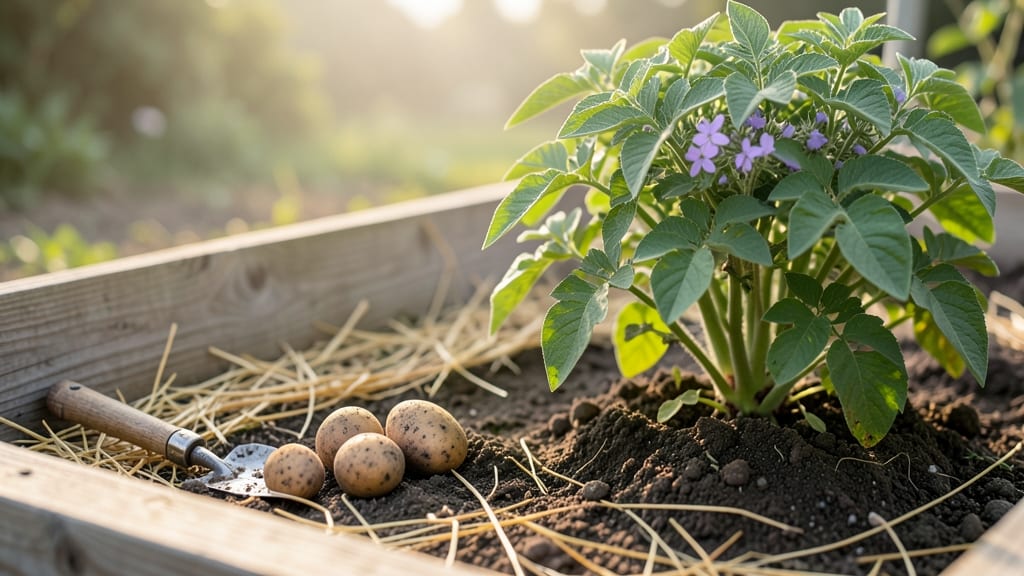
Planting potatoes in Zone 5 at the wrong time can turn your harvest dreams into a frost-killed disappointment. The key to success isn't just waiting for spring—it's understanding exactly when soil conditions and frost dates align for your variety.
Whether you're growing early varieties that need quick warmth or late-season potatoes that thrive in cooler soil, timing matters more than most gardeners realize.
Most gardeners in Zone 5 make one of two mistakes: planting too early when the soil is still cold, or waiting too long and missing the optimal window before the last frost.
The ideal time to plant potatoes in Zone 5 is 4-6 weeks before your last expected frost date, but there's more to it than just counting weeks. Soil temperature plays a crucial role—potatoes need the ground to warm to at least 50°F before they'll sprout properly.
In this guide, I'll walk you through the precise planting timeline for Zone 5, including how to adjust for early or late varieties, and what to watch for when unpredictable spring weather throws off your plans.
You'll learn how to prepare your soil, choose the right varieties for your region, and avoid common pitfalls that waste time and effort. Let's get your 🥔 patch off to the best possible start!
By the end, you'll have a clear, actionable plan that accounts for your specific frost dates and soil conditions—no more guessing games.
Whether you're a beginner or a seasoned gardener looking to refine your technique, these insights will help you maximize your potato yield and enjoy a harvest that's worth the wait.
Zone 5 potato planting timeline: exact weeks before last frost for maximum yield
Getting your potato planting right in Zone 5 depends on more than just frost dates—it’s about soil temperature, variety maturity, and regional microclimates.
The last frost date in Zone 5 typically falls between mid-April and early May, but your exact timing should account for 4-6 weeks before that date for most varieties. Plant too early, and frost will kill your sprouts; too late, and your harvest window shrinks.
Zone 5 spans diverse regions, from northern Wisconsin to southern Missouri, where frost dates can vary by 2-3 weeks. For example, Duluth, MN might see frost until May 15, while St. Louis, MO could be frost-free by April 15.
Adjust your planting schedule accordingly to avoid late-season failures. The key is planting when soil reaches 40-50°F—cold soil delays sprouting and invites rot.
Here’s the golden rule: Plant early varieties (like Yukon Gold) 4-5 weeks before your last frost, mid-season types (e.g., Kennebec) 3-4 weeks before, and late-season potatoes (such as Russet) 2-3 weeks before.
This ensures they mature before first frost in October. For Zone 5’s short growing season, timing is everything.
For northern Zone 5 areas (like Minneapolis or Madison, WI), aim to plant early varieties by late April to ensure harvest before September frost. In southern Zone 5 (e.g., Kansas City or Indianapolis), you can push mid-season varieties until early May without risk.
Always check your local frost dates—the USDA Plant Hardiness Zone Map is a great starting point, but microclimates (like hills or valleys) can shift dates by 10 days or more.
If you’re chitting (pre-sprouting) your seed potatoes, you can plant 1-2 weeks earlier since sprouts are already 2-3 inches long. Place chitted potatoes in the ground with the sprouts facing up—this gives them a head start in cold soil.
For un-chitted potatoes, wait until soil is consistently 50°F+ to avoid rot from prolonged moisture in cold ground.
Don’t overlook fall planting in Zone 5! If you miss the spring window, early varieties can still thrive if planted in late August and harvested before first frost. Use row covers or cold frames to extend the season by 2-3 weeks.
This method works best in southern Zone 5, where winters are milder. Just ensure your harvest window aligns with October frost dates—aim for 70-90 days to maturity.
One common mistake is planting
5 Critical factors that determine your perfect potato planting date in Zone 5
Planting potatoes in Zone 5 isn't just about checking frost dates—it's a delicate balance of soil temperature, seed readiness, and variety demands. While frost-free dates matter, cold soil (below 50°F) can stall germination, and unchitted seeds may rot.
Even experienced gardeners misjudge timing, leading to wasted seed potatoes or stunted growth.
I've learned the hard way that rushing planting because "it's spring" often backfires. Last year, my Yukon Golds took 3 weeks to sprout because I planted when the air was 55°F but the soil was still 48°F.
The solution? Master these 5 critical factors to pinpoint your ideal planting window—no more guesswork, just consistent harvests.
- 1 Soil Temperature: Potatoes need soil at 50°F+ to germinate. Use a soil thermometer—planting in 45°F soil delays sprouting by 2-3 weeks.
- 2 Seed Chitting Progress: Pre-sprouted (chitted) seeds germinate in 7-10 days vs. 3-4 weeks for unchitted. Start chitting 4-6 weeks before planting.
- 3 Variety Maturity: Early varieties (60-70 days) can plant 2 weeks earlier than late varieties (100-120 days). Match your last frost date to harvest timing.
- 4 Spring Weather Patterns: Zone 5's unpredictable late frosts (April-May) require flexibility. Plant staggered batches every 2 weeks for continuous harvests.
- 5 Cold Soil Solutions: If soil stays below 50°F, use black plastic mulch or plant in raised beds (warms 5-10°F faster). Never plant in wet, cold soil—it causes rot.
Let me share my real-world adjustment for Zone 5's variable springs: I plant Red LaSoda (early) in late March if soil hits 50°F, then Kennebec (mid-season) in early April.
Last year, a late April frost hit my early batch, but the staggered planting saved my harvest. Pro tip: Keep a planting journal to track your local soil warming patterns.
For troubleshooting cold soils, I've had success with straw mulch over seed potatoes—it adds 2-3°F warmth and prevents soil compaction. If your soil is too wet, mix in compost to improve drainage. Remember: Potatoes hate soggy feet, but they love consistent moisture once established.
Don't let Zone 5's tricky weather fool you—with these factors in mind, you'll time your planting perfectly every season. Start with soil temperature, then adjust for seed readiness and variety needs. Your harvest will thank you! 🥔