
Plants
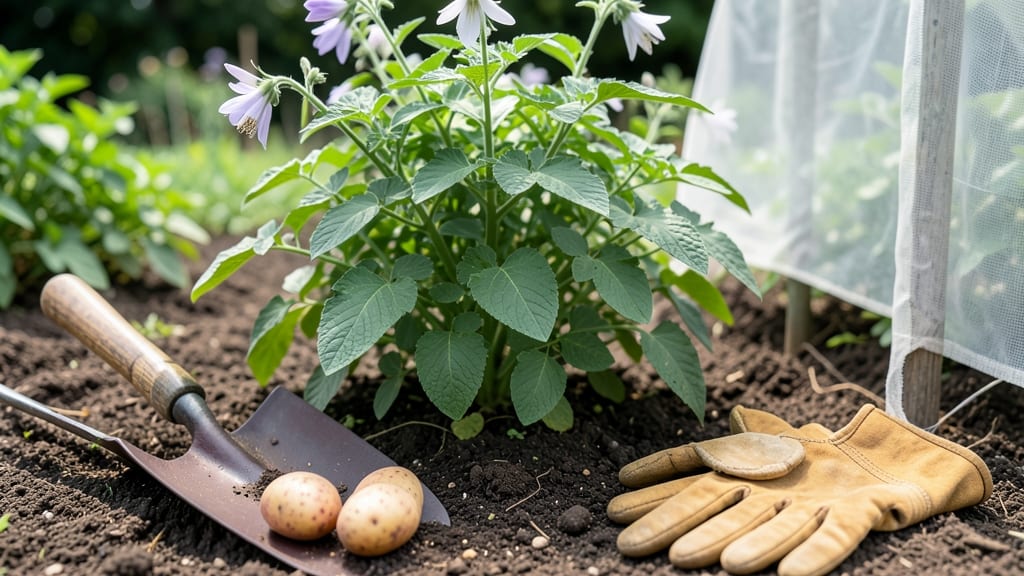
Planting potatoes in Ohio at the right time can mean the difference between a thriving harvest and a wasted effort. With USDA Zone 6a frost dates that shift yearly, knowing exactly when to get your 🥔 in the ground is critical for success.
Many gardeners wait until April, but that might be too late for northern Ohio's chillier springs. The key is working soil as soon as it reaches 45°F, typically 4-6 weeks before your last frost date—often late March for southern Ohio and early April for the north.
I'll show you how to adjust for Ohio's unpredictable weather, from using row covers to selecting cold-tolerant varieties. Whether you're planting in March or April, these strategies will help you avoid frost damage and maximize your yield.
Ready to grow potatoes that rival your favorite farm stand? Let's dive into the exact planting windows and pro tips that will set you up for a bumper crop this season.
Ohio potato planting dates by hardiness Zone (4-8): exact timing for frost-free success
Ohio’s diverse USDA hardiness zones 4-8 create unique challenges for potato growers. Planting too early risks frost damage to tender sprouts, while waiting too long shortens the growing season.
The key is planting when soil temperatures reach 45°F+ and frost threats have passed—typically 4-6 weeks before your region’s last average frost date.
For Zone 4 (e.g., Toledo, Youngstown), the window is narrow—plant late April to early May when soil warms. In Zone 8 (e.g., Cincinnati, Columbus), you can start as early as mid-March under frost protection.
Microclimates near lakes or hills may extend these windows by 1-2 weeks, so always check local frost date averages.
Soil temperature is more critical than air temperature. Use a soil thermometer to confirm 45°F+ at 4-inch depth before planting. Cold, wet soil delays sprouting and invites rot diseases. Amend heavy clay soils with compost or sand to improve drainage and warming.
Here’s your Ohio potato planting timeline by zone, including city-specific averages for Columbus, Cleveland, and Cincinnati:
For Columbus (Zone 6), aim to plant early to mid-April when soil temperatures stabilize above 45°F.
In Cleveland (Zone 5-6), wait until mid-April to avoid late frosts near Lake Erie. Cincinnati (Zone 7) gardeners can start as early as late March, but protect seedlings with frost cloth if nights dip below 32°F.
Always account for microclimates.
How to adjust potato planting dates for Ohio’s unpredictable spring weather
Ohio’s spring weather can be as unpredictable as a rollercoaster—one day warm enough to plant, the next a surprise frost that turns your tender sprouts to mush. The key to success? Flexibility.
Even if you’ve got your planting calendar locked in, Ohio’s variable frost dates and slow-warming soils demand backup plans. I’ve learned the hard way that rigid schedules lead to disappointed gardeners, so here’s how to adapt when Mother Nature throws curveballs.
First, focus on soil temperature, not just air temperature. Potatoes need soil that’s consistently 45°F or warmer to sprout reliably. In northern Ohio (Zones 4-5), this might not happen until mid-to-late April, while southern Ohio (Zones 7-8) can start as early as mid-March.
Use a soil thermometer—it’s your best friend when spring is playing hide-and-seek with warmth.
Here’s my battle-tested strategy for adjusting planting dates when Ohio’s weather gets tricky:
- 1 Plant cold-hardy varieties first: Start with Yukon Gold or Kennebec potatoes—they tolerate cooler soils better than most. These varieties can handle 40°F soil for short periods, buying you extra time if spring lingers.
- 2 Use row covers for early starts: If you plant in March or early April and a frost hits, throw on floating row covers. They raise soil temps by 5-8°F and protect sprouts until danger passes. Remove covers once plants are 6 inches tall to prevent overheating.
- 3 Stagger plantings by 2-3 weeks: Divide your seed potatoes into three groups and plant them 2 weeks apart. This spreads your harvest over 4-6 weeks, so even if one batch gets hit by late frost, you’ll still have others maturing.
- 4 Watch for soil warming trends: Use the National Weather Service’s soil temperature maps or local agricultural extension reports to track when your area hits 45°F consistently. In my Zone 5 garden, this usually happens around April 15, but I’ve seen it as late as May 1 in cooler years.
- 5 Pre-warm soil with black plastic: If your soil is stubbornly cold, lay down black plastic mulch 1-2 weeks before planting. It absorbs sunlight and warms the soil by 10°F or more, speeding up germination. Just remove it once you plant to avoid overheating roots.
Don’t forget to monitor local frost forecasts like a hawk. The Old Farmer’s Almanac and NOAA’s Climate Prediction Center offer free tools to track frost risks. In 2021, my April-planted potatoes nearly died when a 28°F frost hit—until I rushed out with row covers and a space heater (yes, really).
The moral? Always have a Plan B for late frosts.
For extended harvests, pair your staggered planting with a mix of early, mid, and late-season varieties. For example, plant Red Norland (90 days) in early April, Yukon Gold (110 days) in mid-April, and Kennebec (120 days) in late April.
This way, you’ll have potatoes ready from July through September, even if one batch gets delayed by cool weather.
Finally, remember that Ohio’s microclimates can vary wildly—even within the same county. If you’re in a low-lying area, expect later frosts than someone on a south-facing hill.
Test your spot by planting a few cold-hardy greens (like spinach) in early spring. If they survive, your potatoes likely will too.