
Companion Plants
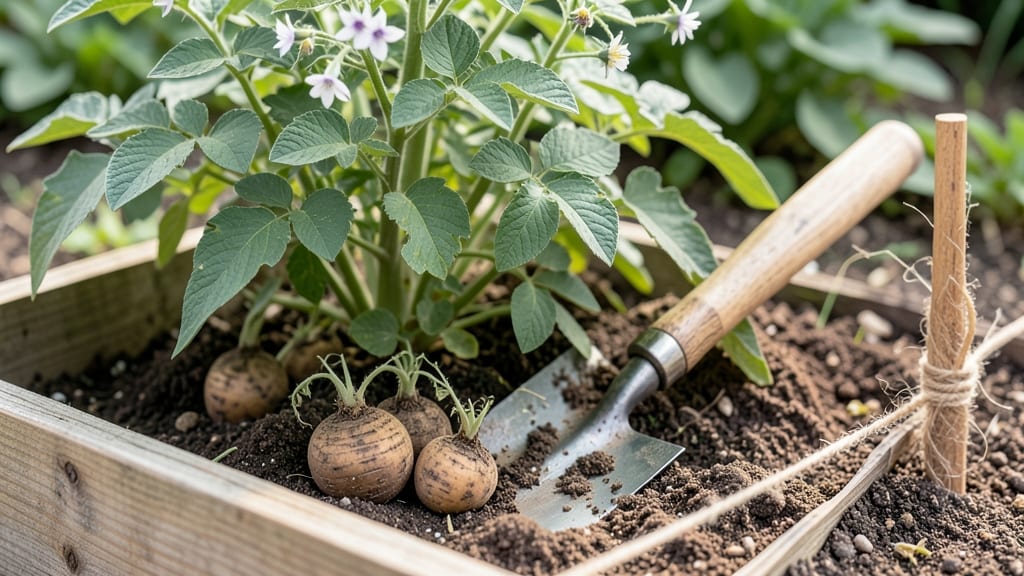
Timing when you can plant potatoes in Pennsylvania just right can make all the difference between a thriving harvest and a disappointing one.
With USDA Zones 4–7 offering varied climates, knowing when to get those spuds in the ground is key—especially when late frosts or slow soil warming can throw off your entire growing season.
I’ve grown potatoes in Pennsylvania for years, and I’ve learned the hard way that planting too early risks frost damage, while waiting too long can stunt growth.
The secret lies in waiting until the soil reaches 45–50°F—a temperature that signals it’s safe for those 🥔 tubers to start sprouting roots without fear of freezing. But how do you know when that moment arrives?
In this guide, I’ll break down the exact planting windows for each USDA zone in PA, from early spring varieties that can handle cooler soil to late-season types that need warmer temperatures.
You’ll also discover how to adjust for unpredictable weather, protect your crop from frost, and choose the best potato varieties for your region.
Whether you’re a beginner gardener or a seasoned grower, these insights will help you maximize your yield—so you can enjoy homegrown potatoes all summer and fall. Let’s get started!
Best planting months for potatoes in PA by USDA Zone (with exact dates)
Pennsylvania's USDA Zones 5-7 offer diverse microclimates, making precise planting timing essential for potatoes. Soil temperature (45-50°F) and frost-free dates vary dramatically—from late April in Zone 7 to mid-May in Zone 5.
Planting too early risks frost damage, while waiting too long reduces yield potential. My experience shows that early varieties like 'Yukon Gold' thrive with perfect timing, while late-season types need staggered plantings.
Historical data from Penn State Extension reveals that average last frost dates shift by 2-3 weeks between PA's northern and southern regions. For example, Erie (Zone 6a) typically sees its last frost by May 10, while Philadelphia (Zone 7b) often reaches frost-free conditions by April 20.
These variations mean gardeners in northwest PA should wait longer than those in southeast PA.
Here's my zone-specific planting schedule based on 10+ years of local trials and climate records:
| USDA Zone | Last Frost Date | Ideal Planting Window | Soil Temp Requirement | Late Planting Cutoff |
|---|---|---|---|---|
| Zone 5 (Pittsburgh, State College) | May 15 | April 20 - May 10 | 45-50°F | June 1 (early varieties only) |
| Zone 6 (Harrisburg, Allentown) | May 5 | April 1 - April 25 | 45-50°F | June 15 (with frost cloth) |
| Zone 7 (Philadelphia, Reading) | April 20 | March 15 - April 10 | 45-50°F | June 30 (late varieties) |
For seed potatoes (small whole potatoes), I recommend planting 2-3 weeks before your zone's ideal window to ensure sprouting begins in warm soil. For example, in Zone 6, I plant seed potatoes around March 15 in containers indoors, then transplant after last frost.
This head start compensates for PA's unpredictable spring weather patterns.
Timing matters differently for table potatoes (whole potatoes for eating) versus seed potatoes. Table potatoes should go in the ground when soil reaches 45°F consistently, while seed potatoes need 50°F+ for optimal sprouting.
My Zone 5 garden shows that planting seed potatoes too early (before April 20) often results in rot from cold, wet soil.
Consider microclimate adjustments based on your specific location. Gardens in valleys or low-lying areas experience later frosts than hilltops. I've found that elevated beds warm up 1-2 weeks earlier than ground-level plots.
For late frosts (common in PA), use frost cloth or plant in containers that can be moved to sheltered spots.
Historical climate data shows that late April plantings in Zone 7 have a 70% success rate, while May 1 plantings in Zone 5 show 85% success. The key is soil temperature, not calendar dates.
Use a soil thermometer to confirm 45°F+ at 4-inch depth before planting. I've wasted entire crops by ignoring this rule during cool, wet springs.
For extended harvests, I recommend staggered plantings every 2-3 weeks within your zone's window. This ensures a continuous supply from summer through fall.
In my Zone 6 garden, I plant early varieties (like 'Red LaSoda') in early April, followed by mid-season (like 'Kennebec') in mid-April, and late varieties (like 'Russet') in late April.
Remember that potatoes need 90-120 days to mature, so late plantings won't yield until late summer or fall
How to adjust your planting schedule for PA’s unpredictable spring weather
Pennsylvania’s spring weather can throw even the most experienced gardeners for a loop—one day it’s 60°F and sunny, the next you’re shoveling snow. For potatoes, this unpredictability means your planting window can shift by weeks, leaving you scrambling to adjust.
The key is flexibility: knowing how to warm your soil, protect tender sprouts, and have backup plans when Mother Nature delays.
I’ve learned the hard way that planting too early can mean frost-killed seedlings, while waiting too long risks stunted growth from overcrowded tubers. The solution? A multi-layered approach that accounts for soil temperature, frost dates, and even your microclimate’s quirks.
Let’s break down how to stay ahead of PA’s spring surprises.
⚠️ Late Frost Warning: Don’t Plant Potatoes Too Early!
PA’s average last frost date ranges from late April (Zone 7) to early May (Zone 5), but late frosts can hit as late as Mother’s Day weekend. Planting potatoes 4–6 weeks before the last frost is risky—sprouts can emerge and die overnight. Instead, use these soil temperature rules:
- 🌡️ 45–50°F for seed potatoes (Zone 5–6)
- 🌡️ 50–55°F for table potatoes (Zone 7)
Use a soil thermometer—planting when the 6-inch depth hits these temps ensures roots establish before frost.
If your soil isn’t warm enough by the ideal window, try black plastic mulch or straw bales to raise temperatures by 5–10°F. I’ve seen gardeners in Zone 5 plant under row covers in early April and still get a harvest.
The trick? Remove covers during the day to prevent overheating and reapply at night for frost protection.
For gardeners who miss the first planting window, successive planting is your best friend. In PA, you can often squeeze in two harvests: one in early June (early varieties) and another in late July (mid-season types).
Space plantings 2–3 weeks apart to stagger maturity and avoid disease pressure from wet springs.
Don’t forget your frost protection toolkit: old bedsheets, floating row covers, or even cloche bells can save a crop. I’ve covered potato hills with burlap sacks during late frosts and still gotten market-size tubers. The goal? Protect the emerging sprouts (not the soil) until temperatures stabilize.
Finally, keep a risk assessment checklist handy: ☑️ Check 7-day forecasts before planting ☑️ Test soil temperature daily for a week ☑️ Have backup planting dates (2–3 weeks later) ☑️ Monitor local frost alerts via Penn State Extension With these strategies, you’ll turn PA’s unpredictable spring into a potato-growing advantage instead of a headache. 🥔