
Plants
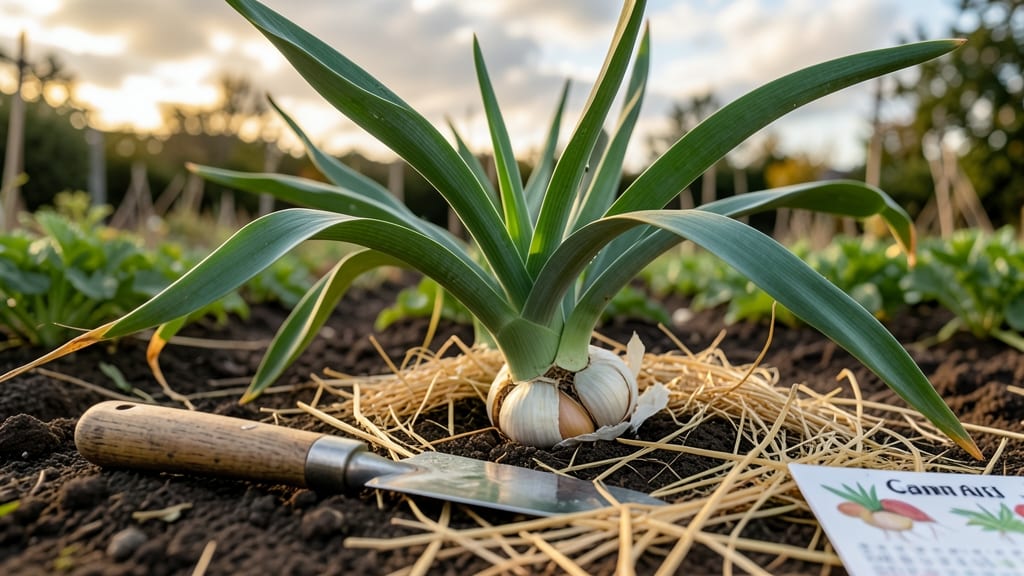
Planting garlic in Oklahoma at the wrong time can turn your 🧄 dreams into disappointment—especially when those 7a-8a winters bring unpredictable freezes. If you’ve ever watched your cloves sprout too early or rot in the heat, you’re not alone, and the fix starts with timing.
The key to success lies in Oklahoma’s fall window, when soil stays workable but the ground freezes before spring.
I’ve tested both hardneck and softneck varieties here, and the difference between a bumper crop and a flop often comes down to planting in October or November—not spring, despite what some guides suggest.
Why does this matter? Because garlic needs 60-90 days of cold to form bulbs, and Oklahoma’s first frost in mid-November sets the perfect deadline. Miss it, and you’ll either get weak growth or cloves that never mature.
Let me show you exactly when to plant for your 🧄 to thrive in Oklahoma’s climate.
In this guide, I’ll break down the best months for each garlic type, how to adjust for Oklahoma’s weather quirks, and the 3 mistakes that sabotage even experienced gardeners. Ready to grow garlic that actually tastes like garlic? Let’s get started.
Best planting months for garlic in Oklahoma by type (hardneck vs softneck)
Oklahoma’s USDA zones 7a-8a create a unique challenge for garlic growers—too early, and your cloves rot; too late, and they fail to establish roots before winter. The key lies in choosing the right garlic type and planting window. Hardneck varieties thrive in colder winters, while softneck types tolerate warmer conditions.
Let’s break down the best months for each to maximize your harvest.
For most of Oklahoma, October and November are the sweet spot for planting garlic. This timing gives cloves time to root before the ground freezes, while avoiding the heat stress of summer planting.
However, microclimates in mountainous regions (like the Ozarks) may shift this window slightly earlier, while western Oklahoma’s hotter zones might extend it into early December.
Hardneck garlic—the variety prized for its flavorful scapes and cold-hardy nature—needs 60-90 days of cold temperatures below 40°F to form bulbs. In Oklahoma’s zone 7a-8a, this means planting 4-6 weeks before the first hard frost (typically mid-November in most areas).
Softneck garlic, on the other hand, stores better and handles milder winters, making it a better fit for southern Oklahoma’s warmer microclimates. While it can still be planted in fall, it’s also more forgiving if planted in early spring (February-March) for a smaller harvest. However, spring-planted garlic rarely reaches the same size as fall-planted varieties.
If you’re in western Oklahoma (like Lawton or Altus), where winters are shorter, prioritize hardneck varieties with shorter cold requirements, such as German White or Creole. These can handle the 50-60 days below 40°F typical of these areas.
Meanwhile, gardeners in southeastern Oklahoma (like Tulsa or McAlester) might successfully grow softneck garlic with minimal winter chill.
Pro tip: Use last frost dates as your guide. For hardneck garlic, aim to plant 6-8 weeks before the average first frost (mid-November in most of Oklahoma). For softneck, you can stretch this to 8-10 weeks before frost if your winter is mild.
Check the Oklahoma Mesonet for localized frost data to fine-tune your timing.
One common mistake in Oklahoma is planting garlic too early (like September). While the soil may still be warm, cloves can sprout prematurely and rot before winter.
Conversely, planting too late (after December) risks cloves failing to root before the ground freezes solid. The 4-6 week window before frost is your golden opportunity.
For container gardening in Oklahoma, adjust your timing slightly. Potted garlic warms up faster, so plant 2-3 weeks earlier than in-ground varieties. Use black plastic pots to absorb heat and extend the growing season. Just ensure your containers have drainage holes to prevent waterlogging during Oklahoma’s unpredictable rain.
Remember, garlic planted in fall will produce larger bulbs than spring-planted garlic. While spring planting is an option for softneck varieties, the yield will be 30-50% smaller.
If you’re experimenting with spring planting, choose smaller cloves and expect a harvest in late August or September—just in time for fall recipes.
Once you’ve planted, protect your garlic with 2-3 inches of mulch (straw or leaves work well) to insulate cloves during freeze-thaw cycleswild temperature swings.
How to adjust planting timing for Oklahoma’s unique weather patterns
Oklahoma’s weather is famously unpredictable—one day it’s 60°F, the next it’s freezing overnight. For garlic, this means timing your fall planting just right is critical. Plant too early, and your cloves may rot in soggy soil.
Plant too late, and they won’t establish strong roots before winter dormancy. The ideal window is mid-October to early November, but microclimates in Oklahoma can shift this by weeks.
Start by checking your last frost date, which typically falls in mid-November for most of the state. Aim to plant 4-6 weeks before the first hard freeze.
In northern Oklahoma (Zone 7a), this might mean planting as early as late September, while southern areas (Zone 8a) can wait until early November. Use your local Cooperative Extension Service for precise frost data.
⚠️ callout warning ⚠️
Too Early: Garlic planted before October 1st risks rot from excess moisture and weak bulb formation. Oklahoma’s fall rains can turn soil into mud, suffocating cloves. Signs: Moldy cloves, yellowing sprouts, or cloves pushing up through the soil surface.
Too Late: Planting after November 15th gives garlic insufficient root development before winter. Cloves may produce small, weak bulbs or fail to survive freeze-thaw cycles. Signs: Stunted growth, slow sprouting in spring, or cloves that never bulb out.
Pro Tip: Use a soil thermometer—garlic thrives when soil temps are between 40°F and 50°F. If temps drop below 32°F before planting, delay until conditions stabilize.
To protect your garlic from Oklahoma’s freeze-thaw cycles, use a 3-4 inch layer of mulch (straw or leaves work best). This insulates the soil, preventing temperature swings that can damage young roots.
In particularly cold winters, consider adding a lightweight row cover over newly planted cloves until they’re established. Remove it once sprouts appear in spring to avoid overheating.
Drought is another Oklahoma challenge. While garlic is drought-tolerant once established, young plants need consistent moisture. Water deeply once a week after planting, then reduce to every 10-14 days once shoots emerge.
Use drip irrigation to keep foliage dry, reducing fungal risks like white rot, which thrives in Oklahoma’s humid summers.
Watch for early spring heat, which can stress garlic. If temperatures rise above 80°F before harvest (late June), mulch again to keep roots cool. Hardneck varieties, like ‘Music’ or ‘German White’, handle Oklahoma’s heat better than softnecks, but all types benefit from morning watering to combat wilting.
Harvest when lower leaves brown but upper leaves stay green—this usually happens in late June or July.
Finally, adjust your soil preparation based on Oklahoma’s clay-heavy soils. Amend with compost or aged manure to improve drainage, and test your soil’s pH (6.0-7.0 is ideal).
If your garlic struggles year after year, consider raising beds in sandy loam to prevent waterlogging during Oklahoma’s unpredictable rain patterns. 🌱