
Plants
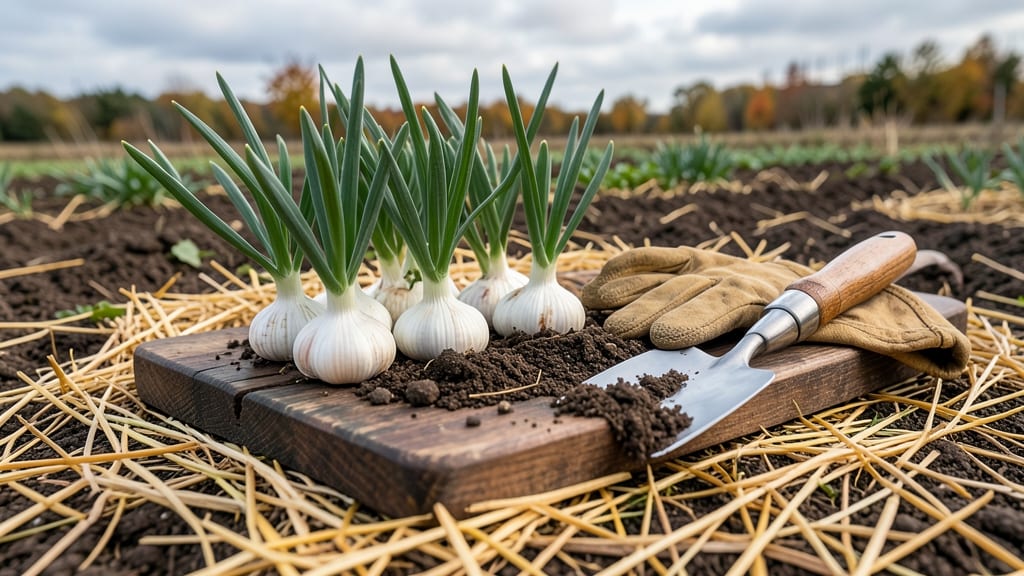
Planting garlic in Illinois at the wrong time could mean the difference between a thriving 🧄 harvest and wasted effort—especially for hardneck varieties that need cold winters to form bulbs.
If you’ve ever wondered why some gardeners swear by fall planting while others try spring, the answer lies in Illinois’ unique frost patterns and USDA zones 5a-6b.
Timing isn’t just about months—it’s about soil temperatures, frost dates, and regional microclimates. In Northern Illinois, like Chicago, you’ll want to plant by mid-October, while Southern Illinois, closer to Springfield, has a slightly later window.
The key? Getting those cloves in the ground 4-6 weeks before the first hard freeze.
I’ve tested these strategies over years of gardening in Illinois, and what works here won’t always work elsewhere. Whether you’re a beginner or a seasoned gardener, mastering the right window ensures stronger plants, bigger bulbs, and fewer pests. Let’s break down exactly when—and how—to plant for the best results.
From soil prep to adjusting for early frosts, this guide covers everything Illinois gardeners need to know. You’ll learn how to read your local frost dates, prepare your soil, and even salvage a late planting. Ready to grow garlic like a pro? Let’s get started.
Best planting months for Illinois garlic: hardneck varieties by region
If you're growing hardneck garlic in Illinois, timing is everything. These varieties need cold winters to form bulbs, but planting too early or late can ruin your harvest.
The ideal window is late September through October, but exact dates depend on whether you're in Northern Illinois (USDA zones 5a-5b) or Southern Illinois (zones 6a-6b). Let's break it down by region to maximize your yield.
Northern Illinois gardeners should aim for mid-to-late October planting. This gives cloves time to root before the ground freezes, typically around mid-November in Chicago. In Southern Illinois, you can push planting to early November since frost arrives later, often around November 1st in Springfield.
The key is planting 4-6 weeks before the first hard freeze.
Hardneck garlic thrives on cold stratification, a process where cloves experience winter temperatures to trigger bulb formation. Planting too early (like August) risks premature sprouting or rot, while planting too late (December) may leave cloves unrooted before winter.
Let's compare the best planting windows by region to help you decide.
For Northern Illinois, I recommend starting in late September if you're in zone 5a, where winters are harshest. The soil should be 50-60°F and cooling rapidly. Use a soil thermometer to check—if temps drop below 40°F, your cloves may not root properly.
In Chicago and surrounding areas, aim for mid-October to give cloves enough time to establish before the ground freezes.
In Southern Illinois, you have more flexibility. Zone 6b gardeners can plant as late as early November without risking frost damage. The warmer microclimates near St. Louis or Carbondale often allow for extended growing seasons.
However, avoid planting after November 15th, as cloves need at least 6-8 weeks of root growth before winter dormancy.
One common mistake is assuming all of Illinois has the same frost dates. A 5-mile difference in elevation can shift frost dates by a week or more. Check your local USDA frost map or use resources like the Midwest Regional Climate Center for precise data.
If you're unsure, err on the earlier side—cloves can wait in the fridge for a few weeks before planting if needed.
Hardneck garlic also benefits from cold stratification, where winter temperatures trigger bulb formation. Planting in October ensures cloves experience consistent freezing and thawing cycles, which hardnecks need to develop large, flavorful bulbs.
If you plant too late (like December), you might miss this critical period and end up with smaller, less flavorful garlic.
For gardeners in transition zones (5b-6a), like Peoria or Springfield, I suggest splitting your planting. Allocate half your cloves in late September and the rest in early October. This hedge against unpredictable weather.
If an early frost hits, your October planting still has a chance to establish roots. Always plant with the pointed end up and 4 inches deep for best results.
Finally, don’t forget that soil type matters. Illinois has a mix of clay-heavy soils in the north and loamy soils in the south. Amend heavy clay with compost or sand to improve drainage, as waterlogged cloves rot quickly.
In sandy soils, add organic matter to retain moisture. Mulch with straw after planting to protect cloves from freeze-thaw cycles and keep soil temps stable.
By following these region-specific guidelines, you’ll give your hardneck garlic the best shot at thriving in Illinois’ climate. Whether you're in Chicago’s chill or Southern Illinois’ milder winters, precise timing ensures a bountiful harvest next summer. Happy planting! 🧄
How to adjust your planting schedule for Illinois weather extremes
Illinois' weather can throw off even the most experienced gardener. Unpredictable frost dates, late winters, and sudden spring thaws make timing critical for garlic. Hardneck varieties need cold stratification, but too much heat or moisture can ruin your crop before it even sprouts.
The key is flexibility—knowing when to push your schedule or pull back.
Start by checking your local frost dates. Northern Illinois (USDA zones 5a-5b) typically sees its last frost around November 15, while Southern Illinois (zones 6a-6b) holds off until November 25.
But these dates shift yearly—always verify with the Midwest Regional Climate Center or your local extension office.
⚠️ callout warning ⚠️
If frost hits before you plant, November is still viable for hardneck garlic. Use heavy mulch (6+ inches) (straw or leaves) to insulate soil. In extreme cold (below 10°F), cover cloves with burlap or cardboard until soil thaws. Spring planting (March) is risky but possible for softneck varieties—just expect smaller bulbs.
For early frosts, shift your schedule 2-3 weeks earlier. Aim to plant by mid-September in Northern Illinois. Use a soil thermometer—garlic cloves need soil temps between 40-50°F to root properly. If temps drop below 32°F, delay planting until conditions stabilize.
Adjust for unpredictable thaws by using row covers or cold frames. These create microclimates that protect young shoots from late frosts. In Southern Illinois, where winters are milder, you can plant as late as early December—just ensure the ground isn’t frozen.
A foot test works: If you can push a trowel 4 inches deep without resistance, it’s safe.
Mulching is your best friend in Illinois. Apply 4-6 inches of straw or leaves after planting to regulate soil temps. In warm winters, mulch prevents premature sprouting.
In harsh winters, it shields cloves from freeze-thaw cycles. Remove mulch in early spring (March) to allow soil to warm for growth.
If you miss the fall window, spring planting is a backup—but only for softneck varieties. Plant in March-April when soil reaches 50°F, but expect smaller bulbs and higher pest risk. For hardnecks, spring planting is not recommended—they rely on winter chilling to form bulbs.