
Plants
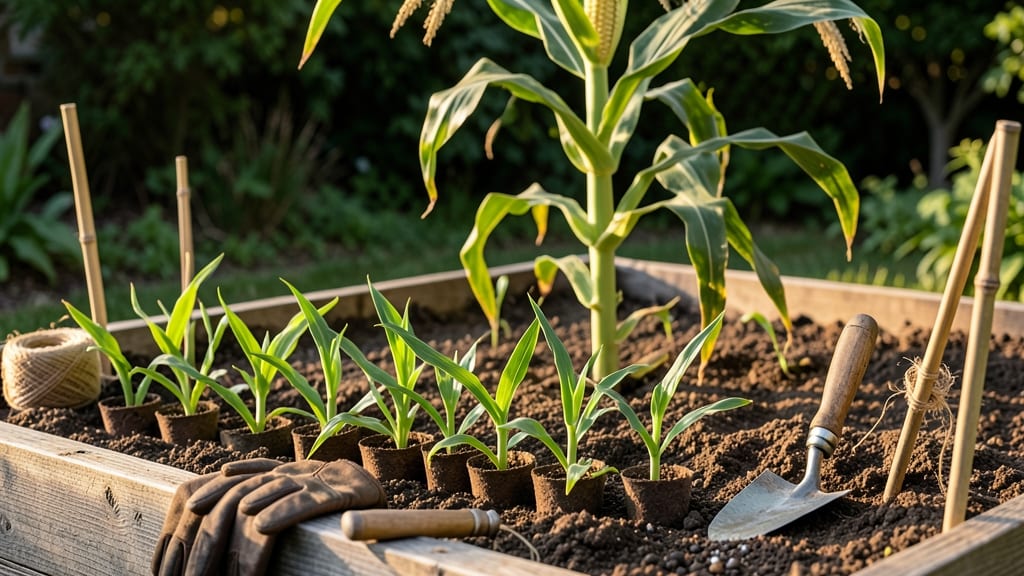
Planting corn in South Carolina at the wrong time can mean the difference between a thriving 🌽 harvest and a disappointing loss—because even in Zone 7b-8a, frost pockets and heat spikes play tricks on your schedule.
Most gardeners in the Palmetto State rush to plant too early, only to watch their seedlings wilt when nighttime temperatures dip. The sweet spot? Waiting until soil hits 60°F and the last frost has vanished—usually mid-April to late May—but timing varies wildly between coastal areas and the Upstate.
Here’s what you need to know: early varieties thrive with a 60-day growing season, while late-season picks stretch to 120 days, letting you squeeze in a second harvest before frost. I’ll break down the exact window for your region and how to adjust for heat stress or late-summer surprises.
Ready to turn your garden into a cornucopia? Let’s dive into the microclimate secrets that make SC’s corn season so rewarding—without the guesswork.
South Carolina corn planting zones: frost-free dates by region
South Carolina’s diverse climate—from the humid coastal plains to the cooler Upstate mountains—creates distinct planting windows for corn. While the state spans USDA zones 5A to 8B, frost-free dates vary by 10-14 days between regions.
Understanding these microclimates helps you choose early, mid, or late-season varieties that thrive without frost damage or heat stress.
Coastal areas like Charleston and Myrtle Beach enjoy earlier frost-free dates (mid-March), while the Upstate (Greenville, Spartanburg) typically sees frost linger until early April. Piedmont regions (Columbia, Rock Hill) fall in between, with late March frost-free averages.
These differences mean your corn planting schedule should shift by 2-3 weeks depending on where you garden.
Here’s how to match your region to the perfect planting timeline, including soil temperature requirements (corn needs 60°F+ to germinate) and variety recommendations for each zone. Use this guide to avoid frost damage to young plants or heat stress during tasseling.
| Region | USDA Zone | Avg. Last Frost | Planting Window | Best Varieties |
|---|---|---|---|---|
| Coastal (Charleston, Myrtle Beach) | 8A-8B | March 15–20 | Late March–early April (soil 60°F+) | Early: 'Golden Bantam', 'Silver Queen' |
| Piedmont (Columbia, Rock Hill) | 7B-8A | March 25–April 1 | Early April–mid-April | Mid: 'Peaches and Cream', 'Ambrosia' |
| Upstate (Greenville, Spartanburg) | 7A-7B | April 5–10 | Mid-April–late April | Late: 'Bodacious', 'Temptation' |
Note: Adjust for microclimates (e.g., valleys frost later; hilltops warm faster).
For coastal gardeners in USDA zones 8A-8B, start sowing late March to early April—this aligns with soil warming to 60°F and avoids late-spring frosts. Early varieties like 'Golden Bantam' (60-day maturity) thrive here, while 'Silver Queen' (75 days) offers a longer harvest window.
If you’re in Charleston or Hilton Head, you can even try a second crop in July for a fall harvest.
Piedmont growers in zones 7B-8A (Columbia, Rock Hill) should wait until early to mid-April when nighttime temperatures consistently stay above 50°F. This region benefits from mid-season varieties like 'Peaches and Cream' (80 days) or 'Ambrosia' (90 days), which balance heat tolerance and disease resistance.
Avoid planting before April 1, or young plants may suffer from black rot or cold stress.
The Upstate’s cooler climate (zones 7A-7B) demands patience—wait until mid-to-late April when soil temperatures reach 65°F+. Late-season varieties like 'Bodacious' (100 days) or 'Temptation' (110 days) are ideal here, as they mature before first frost (November 15).
Use black plastic mulch to warm soil faster if you’re in Greenville or Spartanburg, where frost pockets can linger.
Pro tip: Check your local Cooperative Extension Service for 5-year frost averages—some years, Upstate areas may see frost as late as April 20, while coastal zones might escape frost by March 10.
This variability is why soil temperature gauges (not just calendar dates) are your best friend when planting corn in South Carolina.
If you’re unsure about your exact last frost date, use this rule of thumb: Plant 2 weeks after the average last frost date listed for your region. This buffer ensures strong germination and frost-free growth during the critical 3-week seedling stage.
For example, in Columbia (Piedmont), plant by April 15 instead of April 1.
Remember, corn is heat-sensitive during pollination (tasseling/silking). In Upstate zones, aim to harvest by early October to avoid ear rot from late-summer humidity. Coastal gardeners can push harvests later, but watch for hurricane season (June–October), which may disrupt irrigation or damage plants.
For a foolproof schedule, mark your calendar:
- Coastal: Plant by April 1, harvest by July 15
- Piedmont: Plant by April 15, harvest by August 15
- Upstate: Plant by April 30, harvest by September 30
🌽
How to time corn planting for maximum yield in SC’s heat and humidity
Timing your corn planting in South Carolina isn’t just about checking the calendar—it’s about soil temperature, moisture balance, and avoiding heat stress during critical growth stages.
Corn thrives when soil reaches 60°F or warmer, and in SC’s Zone 7b-8a, that usually means waiting until mid-April to late May. Planting too early risks frost damage, while waiting too long can lead to stunted growth during summer’s peak heat.
Once your seeds hit the ground, maintaining consistent moisture is key—especially during tasseling and silking, when corn is most vulnerable to drought stress. My secret? A 3-step pre-planting checklist that ensures strong germination and robust plants ready to handle SC’s humidity and heat spikes.
🌱 3 Critical Steps to Time Corn Planting Perfectly in SC
-
Step 1: Test Soil Temperature
Use a soil thermometer to confirm 60°F+ at 2-inch depth. Coastal areas hit this by mid-April, while Upstate may need to wait until late April. -
Step 2: Prep Soil for Moisture Retention
Amend soil with compost or aged manure to improve water retention. SC’s sandy soils drain too quickly, so add 1-2 inches of mulch after planting to lock in moisture. -
Step 3: Choose Heat-Tolerant Varieties
Opt for late-season hybrids like ‘Silver Queen’ or ‘Peaches & Cream’ (110-120 days) for Upstate, or early varieties like ‘Bodacious’ (70 days) for coastal areas prone to summer storms.
Heat stress during tasseling (when pollen forms) can slash yields by up to 30%. To prevent this, plant in early morning hours when temps are cooler, and avoid overhead watering during the day—it increases humidity and fungal risks like corn smut.
Instead, use drip irrigation to keep foliage dry.
Another pro tip: Space plants 12-18 inches apart in rows 30-36 inches wide. This improves airflow, reducing humidity-related diseases and helping roots access moisture deeper in the soil. In SC’s heat, shallow roots can’t keep up with demand, so deeper planting (1-2 inches deep) encourages stronger root systems.
If you’re planting in June for a fall harvest, focus on short-season varieties (60-75 days) and use black plastic mulch to warm the soil faster. Just remember: corn planted after July 15th rarely matures before frost in most of SC.
Finally, watch for silking stage (when tassels appear). This is your cue to increase watering to 1-2 inches per week—drought here can cause barren ears. With the right timing and care, your SC garden can produce heavy, sweet ears ready for harvest by late summer.