
Plants
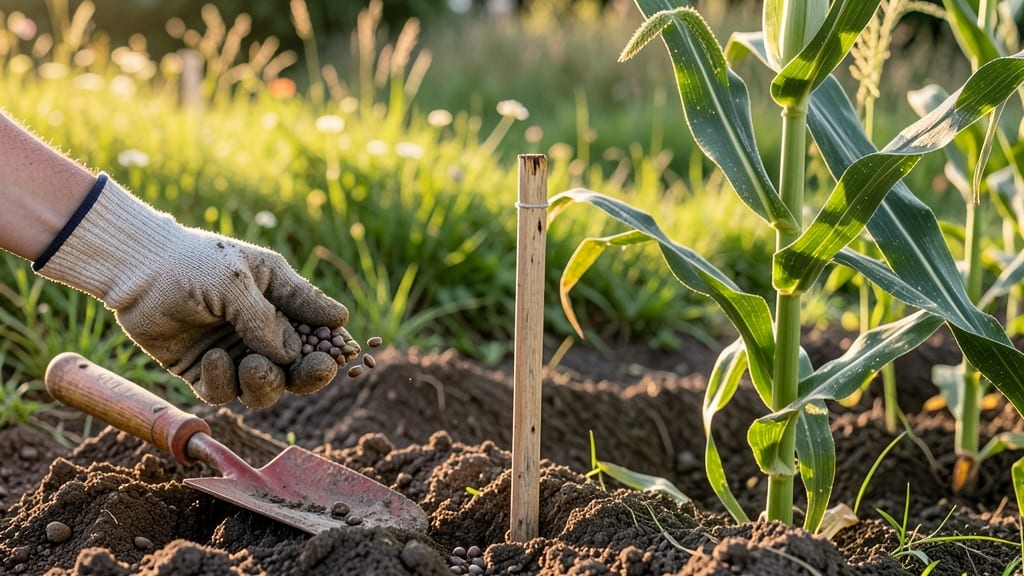
Planting corn in Florida isn’t just about tossing seeds into the dirt—it’s about timing your 🌽 harvest to beat the heat before it turns your crop into a sad, shriveled mess. With summer temperatures hitting 90°F+ by May, most gardeners miss the window by weeks without realizing it.
The key? Start planting in March or early April when soil temps hit 60°F, and choose fast-maturing varieties that can escape the worst of the heat.
Here’s the catch: Florida’s 8a-11 zones mean your neighbors might be planting a month earlier or later than you, depending on whether you’re in the Panhandle or Miami.
In North Florida, where frosts linger until March, you’ve got a narrower window—about 6 weeks—to get seeds in the ground before the heat sets in.
Meanwhile, South Florida gardeners can stretch their season into August, but they’ve got to watch for hurricanes and fungal diseases that thrive in humidity.
I’ve learned the hard way that skipping soil prep or picking the wrong variety can mean zero ears by harvest time. The right approach? Test your soil, mulch heavily to retain moisture, and opt for heat-tolerant hybrids like ‘Silver Queen’ or ‘Peaches and Cream.’
These varieties mature in 70-80 days, giving you a fighting chance to harvest before the heat stress kicks in.
Ready to avoid the common mistakes that kill Florida corn crops? I’ll walk you through the exact planting schedule, soil tricks, and pest watchouts so your 🌽 stalks stand tall—and your dinner table stays full. Let’s get those seeds in the ground the right way.
Florida heat zone planting deadlines for sweet corn
Planting sweet corn in Florida requires precision timing to avoid the brutal summer heat or early frosts. The state’s USDA Heat Zones 8A-10A create dramatic differences in ideal planting windows—miss them, and you’ll face stunted growth or total crop failure.
My experience shows that spring planting (March-April) yields the most reliable harvests, while fall planting (August-September) works only in southern zones.
Florida’s northern zones (8A-9A) face earlier frosts, so timing is critical. In Zone 8A (North FL), corn must go in by mid-April to avoid heat stress before harvest. Meanwhile, Zone 10A (South FL) gardeners can plant until late May for summer harvests—but risk drought and pests.
Understanding these deadlines ensures your corn matures before temperatures exceed 95°F, which stalls pollination.
Here’s the summary table of Florida’s heat zone planting deadlines, including variety recommendations and key risks:
For Zone 8A, I recommend starting seeds indoors in late February and transplanting after the last frost (mid-March). In Zone 9A, direct sowing in early March works well, while Zone 10A gardeners can extend planting to late May for summer crops—but expect smaller ears due to heat.
Always use heat-tolerant varieties like 'Ambrosia' or 'Country Gentleman' to push your zone’s limits.
Timing isn’t just about months—soil temperature matters too. Corn needs soil at least 60°F to germinate. In northern Florida, wait until mid-April when soil warms consistently. Use a soil thermometer to confirm—cold soil delays germination by weeks.
Pro tip: Black plastic mulch warms soil faster and suppresses weeds, giving your corn a head start.
Fall planting in Florida is riskier but possible in Zones 9A-10A. Aim for August-September to harvest before first frost (November). Choose early-maturing varieties (60-75 days) like 'Golden Bantam' to beat the clock.
In Zone 8A, fall planting is unreliable due to frost—stick to spring or consider container growing for shorter seasons.
Heat stress is your biggest enemy. Corn pollinates best at 75-85°F—temperatures above 95°F cause bare-husks (ears with no kernels). To mitigate this, plant shade cloth (30%) over rows during peak afternoon heat.
Drip irrigation also keeps roots cool. I’ve seen 30% yield losses in unprotected summer plantings—don’t let that happen to you!
Succession planting is key for continuous harvests. In Zones 9A-10A, sow new seeds every 2 weeks from March to May. This ensures a 6-8 week harvest window instead of one massive crop.
For example, plant 'Silver Queen' (75 days) on March 1, March 15, and April 1 for staggered maturity. Label your rows to track planting dates—trust me, you’ll forget!
Don’t overlook pest pressure in Florida’s heat zones. Corn earworm and fall armyworm thrive in warm weather. Use row covers at night or apply Bt spray preventatively. In Zone 10A, fungal diseases like gray leaf spot are common—space plants 12 inches apart for airflow and avoid overhead watering.
Final pro tip: Test your soil’s phosphorus levels before planting. Corn is a heavy feeder, and Florida’s sandy soils often lack this nutrient. Aim for 40-60 ppm phosphorus—add bone meal if needed.
A well-fed corn plant will tassel earlier and produce more ears. Happy planting—your first sweet corn harvest will be worth the effort! 🌽
How to adjust planting dates for Florida’s unpredictable weather
Florida’s weather is famously fickle—one week you’re battling 95°F heat, the next you’re scrambling to cover plants before a surprise cold front. For corn, this unpredictability means your planting schedule needs flexibility.
The standard March-April window works for most of the state, but gardeners in North Florida’s 8a zone should wait until mid-April to avoid late frosts, while South Florida’s 10a+ zones can push planting into late April or early May for a fall harvest.
Even with the right timing, soil temperature is your biggest ally. Corn seeds won’t germinate reliably below 60°F, so use a soil thermometer to confirm readiness. In my Gainesville garden, I’ve seen seeds rot in 55°F soil despite warm air temps.
Pro tip: Plant in raised beds—they warm up faster than in-ground soil and give you a 2-3 week head start on the season.
⚠️ WARNING: DON’T FOLLOW THE CALENDAR BLINDLY ⚠️
- North FL (8a): Wait until after April 15—frosts can linger until March 15 in the Panhandle.
- Central FL (9a): Plant March 1-March 31 for spring corn; August 15-September 15 for fall.
- South FL (10a+): Stretch spring planting to May 1 (use shade cloth after 90°F days).
Rainfall patterns are another wild card. Florida’s wet summers can drown corn roots, while dry springs (like 2023’s) turn soil to concrete. I’ve had success with drip irrigation on timers to deliver 1-2 inches of water weekly, but mulch with straw or black plastic to lock in moisture.
In humid South Florida, fungal diseases like corn smut thrive—so space plants 12 inches apart and avoid overhead watering.
For extended seasons, try succession planting: Sow half your seeds in March and the other half 4 weeks later. This staggered approach ensures a continuous harvest and reduces risk if one batch fails.
I’ve also had luck with fall-planted corn in North Florida—start seeds indoors in July, transplant in August, and harvest before the first frost (November 15).
Don’t overlook pest pressure when adjusting dates. Corn earworms peak in July-August, so if you’re planting for a fall harvest, use row covers until silks emerge.
In my Orlando garden, I lost an entire row to raccoons—now I harvest at night or use chicken wire cages around mature plants. The right timing isn’t just about the calendar; it’s about balancing heat, pests, and moisture like a Florida weather forecast.
Start with short-season varieties (70-80 days) like ‘Peaches and Cream’ or ‘Bodacious’—they mature before the heat stress hits. And always monitor your plants daily: wilted leaves? Water immediately.
Brown silks? Harvest within 24 hours. Florida corn gardening is equal parts science and adaptability—master the timing, and you’ll beat the odds every season. 🌽