
Plants
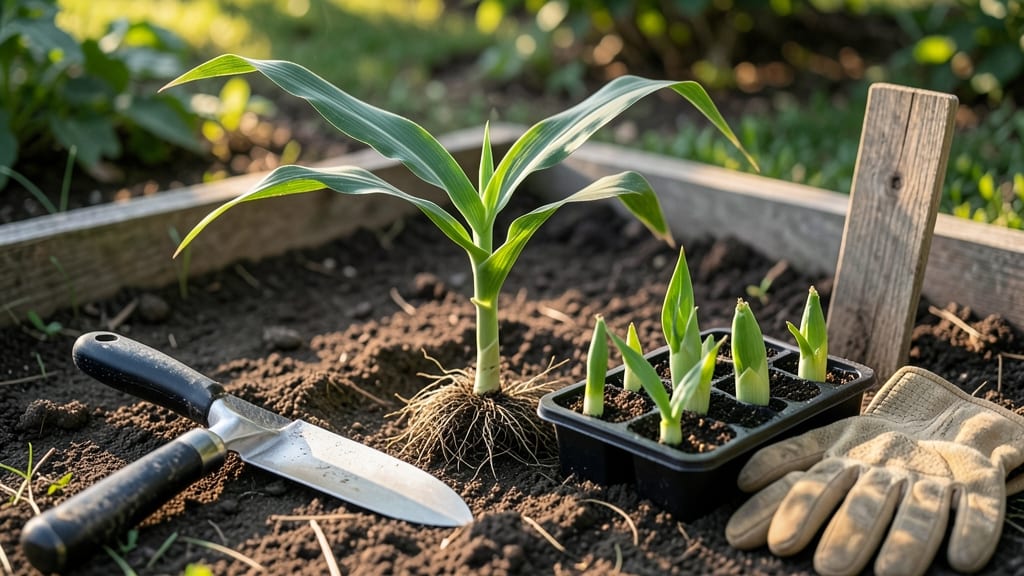
Planting corn in Iowa at the wrong time means risking frost damage or stunted growth—so getting the timing right is your secret weapon for a bountiful harvest. 🌽 With USDA zones 5a-5b and unpredictable spring weather, knowing when to plant isn’t just about dates—it’s about soil temperature, frost risk, and choosing the right variety for your county.
Many gardeners assume mid-April is the magic window, but that’s where mistakes happen. The real rule? Wait until the soil hits at least 50°F—that’s when seeds germinate reliably, not when the calendar says "spring."
I’ll show you how to track this and avoid the common pitfalls that leave Iowa farmers scratching their heads every year.
Fast germination is the key to beating Iowa’s short growing season, and the right prep work makes all the difference.
From testing soil moisture to spacing seeds just right, these proven tricks will help you skip the guesswork and get your corn off to a flying start—because in Iowa, every day counts.
Whether you’re a backyard gardener or a large-scale farmer, this guide cuts through the confusion. You’ll learn exactly when to plant, how to pick the fastest-growing varieties for your zone, and the critical care steps that turn good yields into great ones—no matter what Mother Nature throws your way.
Iowa corn planting dates by soil temperature (not calendar months)
Forget relying on calendar months alone—your corn seeds need soil temperatures of at least 50°F to germinate, and Iowa’s climate zones demand precision. Northern Iowa’s shorter growing season means you’ll plant earlier than southern counties, but rushing risks frost damage.
The key? A soil thermometer and understanding your county’s frost-free window.
Iowa stretches across USDA Zones 4a-5a, creating three distinct planting regions: North (earliest), Central (moderate), and South (latest). Each zone has a 10-14 day window where soil warmth aligns with frost risk.
Planting too early? Seedlings rot. Too late? Smaller yields. The solution? Wait for consistent 60°F+ soil temps—that’s your green light.
Comparison Table: Iowa Corn Planting by Climate Zone
🌽Here’s how to use this table: Check your county’s average last frost date (Iowa State Extension has maps) and adjust for 3-4 weeks earlier for northern areas. For example, in Sioux City (Zone 4a), planting by May 5 ensures seedlings emerge before frost.
In Ottumwa (Zone 5a), wait until May 15—soil warms faster, but late frosts linger.
Pro tip: Morning soil temps matter most—test at 8 AM for accuracy. A $15 soil thermometer from your local garden center is worth every penny. If your thermometer reads below 50°F for 3+ days, delay planting.
Corn seeds won’t germinate until soil hits that threshold, and waiting a week won’t hurt your yield.
Historical data shows Iowa’s spring soil warming varies wildly. In 2020, northern Iowa saw 50°F soils by April 10, while 2021 delayed until May 1. Use the 50°F rule as your baseline, but cross-reference with 7-day forecasts for rain or cold snaps.
A clear, sunny week can push soil temps up 5-10°F faster than cloudy conditions.
For maximum germination, aim to plant when soil is 60°F+—this speeds up sprouting from 7-10 days to just 5 days. In Central Iowa, that often means late April to early May.
Use black plastic mulch to warm soil 2-3°F faster if you’re in a hurry. Just remove it after planting to avoid overheating.
Don’t ignore seed depth—plant 1-1.5 inches deep in loose soil. Compacted soil? Loosen it first. In northern Iowa, where soils stay cold longer, deeper planting (up to 2 inches) can help seeds escape frost. Southern Iowa’s warmer soils? Stick to 1 inch deep for faster emergence.
Finally, track your progress with a planting journal. Note the date you hit 50°F soil, when you planted, and germination day. Over 3 years, you’ll spot patterns—like how 2023’s early May planting in Central Iowa yielded 15% more ears than April plantings.
Adjust your strategy yearly based on your data.
Remember: Corn loves heat, but it hates cold. The perfect planting window isn’t about the calendar—it’s about soil temperature, frost risk, and your local microclimate. Master these, and you’ll outpace frost every time. Happy planting! 🌱
5 Critical factors that affect Iowa corn germination (beyond just dates)
While planting calendars offer general guidelines, Iowa’s variable climate means blindly following dates can backfire. I’ve learned that soil moisture, seed depth, and weather forecasts often matter more than the calendar itself.
These five factors directly impact germination rates—sometimes by 30% or more—and ignoring them can turn a promising crop into a costly lesson.
Let’s start with the most overlooked factor: soil moisture. Corn seeds need consistent moisture to activate enzymes that break down stored nutrients. In my experience, planting in dry soil—even if the calendar says "go"—can leave seeds struggling to germinate.
A simple soil moisture test (stick your finger 2 inches deep) should feel damp, not bone-dry. This is especially critical in Iowa’s sandy soils, which drain faster and require more frequent checks.
Next, seed depth plays a surprising role. Planting too shallow (less than 1 inch) exposes seeds to drying winds and temperature swings, while burying them too deep (over 2 inches) starves them of oxygen.
My rule of thumb? Aim for 1.5 inches deep in well-prepared soil, using a seed plate or dibble for precision. This small adjustment can boost germination rates by up to 20% in less-than-ideal conditions.
Weather forecasts aren’t just for raincoats—they’re your germination insurance policy. A late frost warning or prolonged cold snap can wipe out seedlings overnight. I always cross-reference 10-day forecasts with soil temperature trends before planting. Tools like the Iowa State Climate Office provide free frost risk maps that show historical averages for your county. Pro tip: If a cold front is predicted within 5 days of planting, delay by at least a week.
Don’t overlook soil temperature, either. Corn seeds won’t germinate reliably below 50°F, but they thrive at 60°F or warmer. I use a soil thermometer to confirm temperatures at a 2-inch depth—this is more accurate than air temperature alone.
In northern Iowa, this might mean waiting until late May, while southern counties can start in early April. Patience here pays off in stronger stands.
Finally, seed quality and pre-planting prep set the stage for success. Old or damaged seeds germinate poorly, so always plant certified seeds with a high germination rate (90% or better). Before planting, I run a quick seed viability test: Soak seeds overnight in water—any that float are likely nonviable.
Combine this with well-rotted manure or compost to improve soil structure, and you’ll give your corn the best possible start.
To put it all together, I’ve created a pre-planting checklist that covers these factors. Start by testing your soil’s moisture and temperature for 3 consecutive days—this gives you a baseline. Then, adjust your planting date based on forecasts and seed depth.
Remember, consistency is key: Corn seedlings that emerge under uniform conditions grow faster and produce better yields. By focusing on these five factors, you’ll beat Iowa’s unpredictable spring and set your crop up for success.
One final tip: Keep a planting journal to track what works in your specific field. Note soil conditions, planting dates, and germination rates—this data will help you refine your approach year after year. Happy planting! 🌽