
Planting
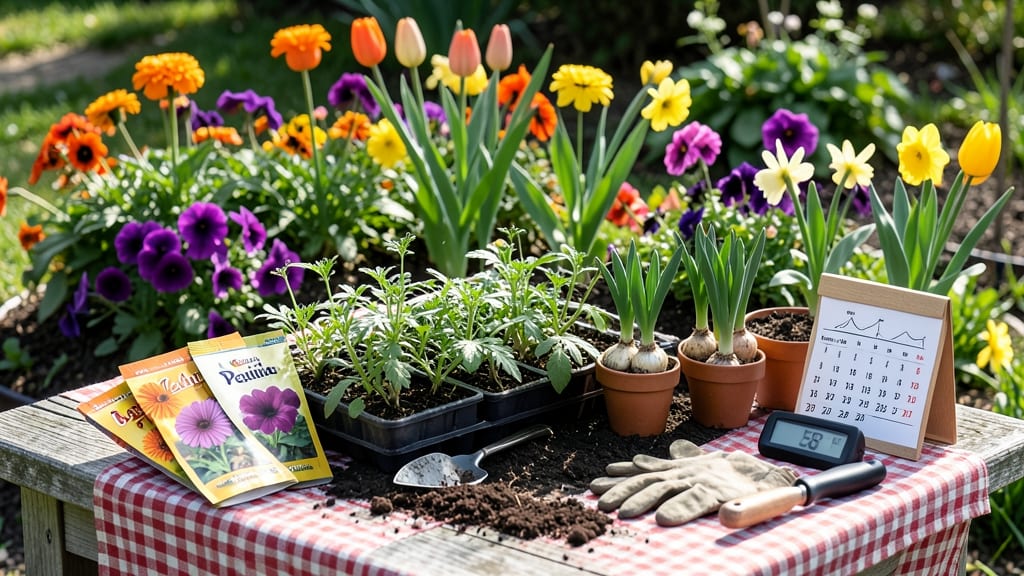
Planting flowers in Ohio feels like solving a puzzle—get the timing wrong, and your vibrant blooms turn into sad, wilted 🌸 reminders of missed opportunities.
The key to success isn’t just waiting for spring; it’s understanding your hardiness zone (6a-6b) and when the last frost typically passes around April 15.
I’ve learned the hard way that rushing too early can mean frost damage, while waiting too long might leave you scrambling for summer color.
Ohio’s climate gives us a 165-day frost-free window, but not all flowers play by the same rules—annuals like marigolds need warm soil, while hardy perennials like coneflowers can handle cooler starts.
What if you could extend your blooming season with simple tricks? From using row covers to choosing heat-tolerant varieties, this guide will help you plant with confidence—whether you’re filling raised beds, containers, or community garden plots.
Let’s break down the best months for planting by flower type, soil prep tips, and how to keep your garden thriving from early spring through fall. Your dream garden starts with the right timing—let’s make it happen.
Ohio’s planting zones & frost dates: when to plant flowers by region
Ohio spans USDA hardiness zones 5b through 6b, meaning gardeners experience 150–200 frost-free days annually. These zones dictate which flowers thrive and when to plant them. Southern Ohio (6b) enjoys longer growing seasons, while Northern Ohio (5b) faces earlier frosts.
Understanding your zone helps avoid frost damage and maximizes bloom time.
Most of Ohio’s last spring frost occurs between April 15 and May 15, depending on elevation and microclimates. Northern regions (e.g., Cleveland, Toledo) often see frost until May 10, while Southern Ohio (e.g., Cincinnati, Columbus) typically warms up by April 20.
Always check local frost date averages—your neighbors’ gardens can be 2 weeks ahead or behind!
First frost usually arrives between October 15 and November 1, signaling the end of outdoor planting for tender flowers. Perennials and cold-hardy annuals (like pansies) can handle light frosts, but tropical varieties (e.g., impatiens, begonias) need indoor protection or early starts.
For Zone 6b gardeners, summer heat can stress flowers like impatiens or geraniums. Opt for heat-tolerant varieties such as zinnias or cosmos, which thrive in 90°F+ temperatures. Mulching with straw or wood chips helps retain moisture and protect roots during Ohio’s hot, dry summers.
In Zone 5b, extend your season with row covers or cold frames. Plant cold-hardy annuals like pansies or snapdragons as early as March under protection. Perennials (e.g., coneflowers, black-eyed Susans) can be planted in fall (September–October) for early spring blooms.
Use local frost date apps (like Old Farmer’s Almanac) for real-time updates. Microclimates—like south-facing slopes or urban heat islands—can shift frost dates by 1–2 weeks. Always harden off seedlings before transplanting to avoid shock.
Ohio’s fall planting window opens after Labor Day. Bulbs like tulips or daffodils should be in the ground by October 15 in Zone 5b and by November 1 in Zone 6b. Cover soil with mulch to insulate roots during winter.
Pro tip: Test soil temperature with a soil thermometer—most flowers need 50°F+ soil to germinate. Cool-season crops (e.g., pansies, calendula) can handle 40°F soil, while tropicals (e.g., marigolds) need warmth.
Remember, Ohio’s weather is unpredictable—always have frost cloth on hand for late surprises. With the right timing, your garden can bloom from April to October!
Best flowers to plant in Ohio by month: a seasonal timeline
Ohio’s variable climate means your planting schedule should shift with the seasons—not just the calendar. While last frost dates typically fall between April 15 and May 15, hardy flowers like pansies and calendulas can handle light frosts, while tropical favorites like impatiens need to wait until late May.
The key is matching flower hardiness with Ohio’s USDA Zones 5b–6b and microclimates.
Start with cool-season bloomers in early spring, transition to heat-loving annuals by June, and end with fall favorites like mums and asters. Even container gardening benefits from this timeline—just adjust for smaller soil volumes that dry out faster.
Let’s break it down month by month so you can plan ahead and avoid common mistakes like planting too early or skipping mulch in fall.
Don’t forget that Ohio’s microclimates can shift planting windows by 1–2 weeks. For example, southern Ohio’s Zone 6b may support earlier plantings of heat-sensitive flowers like coleus or begonias, while northern Ohio’s Zone 5b might need to wait until mid-May.
Always check your local frost dates and consider container flexibility—pots can be moved to warmer microclimates like patios or near south-facing walls.
For container gardens, prioritize compact varieties like dwarf petunias or miniature sunflowers in smaller pots. Larger containers (12"+ diameter) give you more leeway for root growth and water retention, but still follow the same monthly timing.
Pro tip: Use a moisture meter to check soil temps—50°F+ is ideal for most annuals.
Finally, succession planting is your secret weapon for nonstop color. Replace finished spring blooms (like tulips) with summer annuals in the same spots, and interplant perennials with fast-growing annuals (e.g., calendulas between daylilies) to hide bare soil and weed competition.
With this timeline, your Ohio garden will stay vibrant from March through October—no wilted surprises!